
Salute
di Andrea Tognelli, Farmacista - Firenze

Quali sono le funzioni fisiologiche del glutatione ?
Il glutatione è il principale antiossidante presente nelle cellule del nostro organismo (1, 2, 3).
Svolge anche importanti funzioni antinfiammatorie, detossificanti e di modulazione delle difese immunitarie (1, 2, 3).
Queste attività sono indispensabili per la vita delle cellule e dei tessuti, a livello neurologico, cardiovascolare, respiratorio, gastrointestinale (1, 2).
Nelle cellule della pelle, il glutatione è indispensabile per mantenere l’integrità delle strutture cutanee, contrastando la formazione di un’eccesso di radicali liberi generati dall’esposizione a raggi ultravioletti, inquinanti ambientali e patogeni (1, 2).
Le attività del glutatione si mantengono sempre efficaci durante la vita?
Durante il corso della vita, il glutatione è purtroppo soggetto ad un progressivo esaurimento delle concentrazioni cellulari (6-9).
La riduzione dei livelli di glutatione facilita la progressione di stress ossidativo, infiammazione cronica, disfunzione mitocondriale ecc., che sono all’origine nell’invecchiamento e dell’insorgenza di molte malattie (1, 6-14).
Cosa può accelerare l’esaurimento di glutatione?
L’abbassamento delle concentrazioni di glutatione e delle difese antiossidanti dell’organismo, può essere conseguente a varie circostanze (1, 2, 4, 10), es. :
• invecchiamento cronologico e biologico (15, 16, 17);
• esposizione ad inquinanti ambientali (18-21);
• abitudine al fumo (22)
• consumo di alcol (23)
• malattie acute, es.: infezioni(24, 25, 26);
• malattie croniche, es.: cardiovascolari, neurologiche, respiratorie ecc. (1, 4, 6-10, 27-31).
• alterazioni metaboliche, come diabete (32, 33), sovrappeso / obesità (34, 35, 36), steatosi epatica (4, 23);
• squilibri della barriera e del microbiota intestinale / disbiosi (1, 37-41);
• declino degli estrogeni nel peri- e post-menopausa (42-49). Nel post-menopausa possono sommarsi altre problematiche che aggravano la perdita di glutatione, come le alterazioni del metabolismo glucidico e lipidico (4, 23, 32-36). Oltre ai possibili squilibri dei livelli ematici di omocisteina (50). Riguardo ai quali le vitamine B6, B9 (folati alimentari / acido folico da integratori), B12 esercitano un’azione preventiva in termini cardiovascolari e neurologici, preservando anche la biosintesi di glutatione (10, 50-62).
• alterazioni della sintesi di testosterone / ipogonadismo (63-67). Inoltre, rispetto alla donna, l’uomo è maggiormente esposto al rischio di alti livelli di omocisteina, ed a minori difese antiossiossidanti, incluso il glutatione (10, 50-62).
Nella pelle è possibile reintegrare il glutatione?
Con adeguate formulazioni dermocosmetiche è possibile far penetrare il glutatione negli strati più profondi della pelle (1).
La ricerca Mitochon srl , ad esempio, ha reso stabile il glutatione, proteggendolo in nanoparticelle di acido oleico, ed acido ascorbico (1, 27, 68, 76-78).
Si tratta della tecnologia brevettata P.AS.S.® (Permeable AntioxidantS System), che permette al glutatione ed altri componenti, es.: coenzima Q10, di attraversare l’epidermide e raggiungere il derma(27, 68, 76-78).
Nel derma il glutatione contribuisce a ridurre in modo significativo l’ossido-infiammazione e l'iperpigmentazione(1, 68- 71). Risultano migliorati anche la luminosità cutanea, ed i segni superficiali dell’invecchiamento, oltre a proteggere o ripristinare l’integrità della barriera epidermica (1, 69, 72, 73, 74).
Un’ulteriore miglioramento di uniformità, tono ed elasticità cutanea viene ottenuto associando il glutatione con altre molecole particolarmente attive a livello cutaneo (75), es.: precursori dell’acido ascorbico, coenzima Q10; indispensabili per mantenere o rigenerare le capacità antiossidanti cellulari (1, 74-81).
I risultati raggiunti negli studi clinici sono stati ottenuti con trattamenti di 4-12 settimane, durante le quali si è sempre registrata un’ottima tollerabilità (1, 68-81).
Il glutatione per via orale è efficace?
Il glutatione introdotto con gli alimenti (es.: asparagi, spinaci) o con integratori alimentari viene scarsamente assorbimento, poichè gli enzimi gastrointestinali lo degradano rapidamente (1). Sono infatti in corso ricerche per risolvere questo problema di assorbimento orale del glutatione (1, 82, 83).
Attualmente si privilegia l’uso orale di N-acetilcisteina (NAC) (1).
La NAC è una molecola dotata di elevata stabilità (1, 2, 3). A livello cellulare promuove la sintesi di glutatione, producendo un’aumento significativo dei livelli plasmatici, necessari per combattere i meccanismi dell’invecchiamento (1, 2, 3, 84-91).
Come confermato da diversi studi clinici in dermatologia, la NAC raccoglie prove di efficacia in numerose patologie, es.: lesioni provocate dal grattamento compulsivo, onicofagia, vitiligo, acne, dermatite atopica, psoriasi e fotoinvecchiamento cutaneo (89, 92-96).
Perché il glutatione viene somministrato anche per via venosa?
Il glutatione viene utilizzato per infusione venosa per impieghi clinici (97, 98). Ma negli ultimi anni si è diffuso l’uso del glutatione per via venosa anche per i trattamenti antiaging (99) e per lo sbiancamento cutaneo (100-102).
Per questi nuovi impieghi del glutatione, secondo le attuali conoscenze scientifiche, sono necessari ulteriori studi clinici condotti su larga scala per stabilire dosaggi, per verificare prove di efficacia, sicurezza nel breve e lungo termine, le possibili associazioni con altre molecole ecc. (1, 2, 99, 100, 101, 103, 104, 105).
Pertanto, l’uso del glutatione per via venosa è da ritenersi competenza esclusiva di medici esperti, in possesso di una specifica e lunga pratica personale con questi trattamenti clinici.
La NAC viene utilizzata anche per trattamenti clinici?
Oltre a consolidato uso come mucolitico, ed antidoto in caso di sovradosaggio di paracetamolo, la NAC a dosaggi terapeutici dimostra benefici nella gestione delle malattie neurodegenerative (106-110), cardiovascolari (111, 112, 113), respiratorie (114, 115), e per incrementare le difese immunitarie (116).
Le ultime ricerche cliniche hanno dimostrato risultati significativi nella degenerazione maculare correlata all’età (117), nel disturbo d’ansia generalizzato (118),eneidanni epatici (1, 2, 119, 120).
Conclusioni
Da vari anni la ricerca Mitochon srl ha individuato ed utilizzato il glutatione per la propria linea cosmeceutica (76-80), utilizzando la citata tecnologia brevettata P.AS.S.® (Permeable AntioxidantS System), studiata per massimizzare l’assorbimento transepidermico degli ingredienti attivi (76-80).
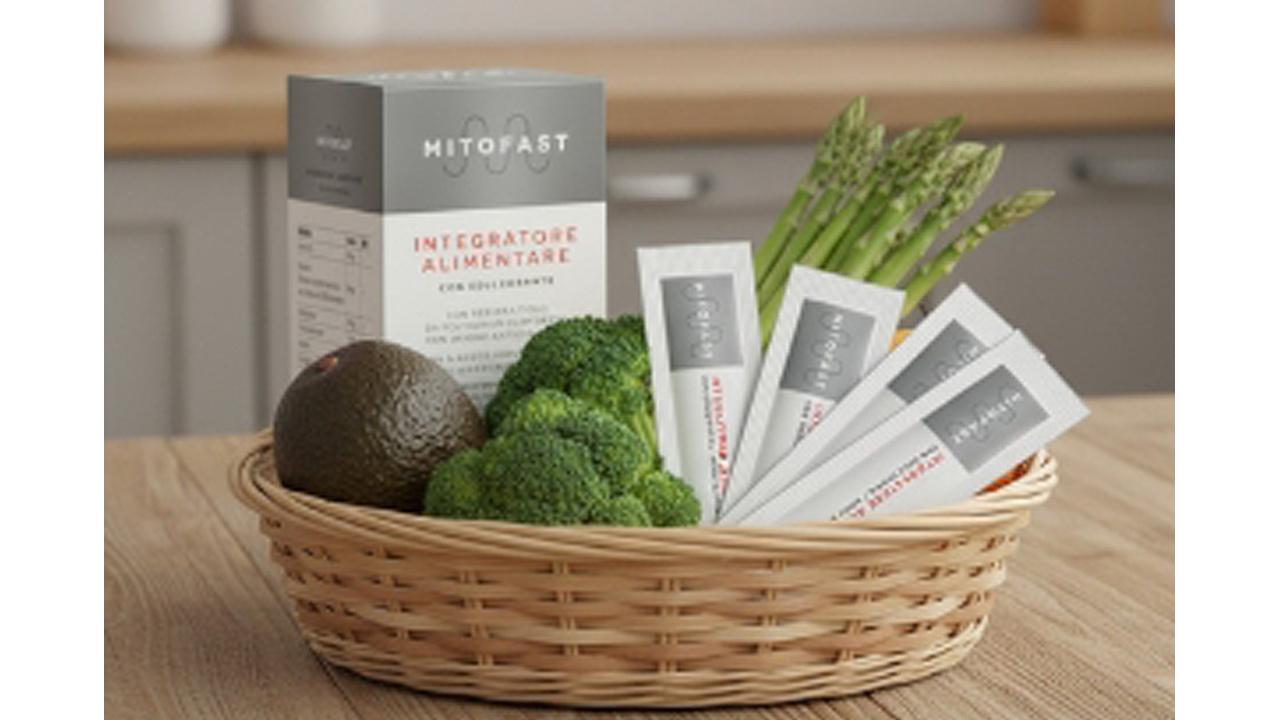
La NAC è invece uno dei costituente cardine dell’integratore orosolubile Mitofast® , la cui formulazione bilanciata assicura l’incremento significativo dei livelli plasmatici di glutatione e di altri antiossidanti, come il coenzima Q10 e la vitamina E (3).
Inoltre, l’assunzione di Mitofast® per almeno 4 settimane riduce in modo significativo i livelli di omocisteina, per effetto dell’acido folico (3).
Per questo, l’associazione sinergica della linea cosmeceutica con Mitofast® , ed al bisogno con Mitofast B12 (Nota 1), svolge un’azione antiaging completa, cutanea e sistemica, intervenendo sulle origini dell’invecchiamento (2, 3, 22, 23, 27-31, 68, 76-80, 121).
Nota 1
Prodotti Mitochon srl :
• La linea cosmeceutica è stata studiata per proteggere - rigenerare le attività delle cellule cutanee e ridurre i segni dell’invecchiamento, attraverso l’effetto complessivo di: coenzima Q10, acido folico, precursori della vitamina C, N-acetilglucosamina (NAG) precursore di acido ialuronico, glutatione, tocoferolo, retinil palmitato, ceramidi, acidi grassi;
• Gli integratori Mitofast® e Mitofast B12 ,attenuano i fenomeni biomolecolari dell’invecchiamento cutaneo e sistemico.
• Mitofast® è una formulazione orosolubile, bilanciata e sinergica di: resveratrolo, coenzima Q10, acido folico, vitamina C, N-acetilcisteina (NAC) precursore di glutatione, N-acetilglucosamina (NAG) per la sintesi di acido ialuronico.
• Mitofast B12 è un integratore liquido studiato per somministrare in modo mirato la ciancobalamina, la forma di vitamina B12 farmacologicamente più adatta per l’uso orale.
Bibliografia
1. Stanescu C, Chiscop I, Boev M, Stanescu GD, Matei MN. Glutathione in Skin Aging and Tissue Regeneration: A Systematic Review of Molecular Mechanisms, Redox Modulation, and Biomedical Implications. Molecules. 2026; 31(6):981. https://doi.org/10.3390/molecules31060981
2. Mini-Review Glutatione / NAC 2024 https://www.mitochon.it/glutatione-perche-proteggere-le-sue-concentrazioni-cellulari-nellantiaging/
3. Mini-Review studio pilota Mitofast 2024 https://www.mitochon.it/mitofast-nuovi-ed-importanti-risultati-da-uno-studio-clinico-preliminare/
4. Cesarini L, Grignaffini F, Alisi A, Pastore A. Alterations in Glutathione Redox Homeostasis in Metabolic Dysfunction-Associated Fatty Liver Disease: A Systematic Review. Antioxidants. 2024; 13(12):1461. https://doi.org/10.3390/antiox13121461
5. Iskusnykh IY, Zakharova AA, Pathak D. Glutathione in Brain Disorders and Aging. Molecules. 2022; 27(1):324. https://doi.org/10.3390/molecules27010324
6. Knudsen E, Tadje J, Coggins C and Venketaraman V (2026) Glutathione and neurodegenerative diseases: immunopharmacological implications. Front. Pharmacol. 16:1737199. doi: 10.3389/fphar.2025.1737199
7. Hamidu, Sherif, Amponsah, Seth Kwabena, Aning, Abigail, Adams, Latif, Kumi, Justice, Ampem-Danso, Eunice, Hamidu, Fatima, Mumin Mohammed, Mustapha Abdul, Ador, Gabriel Tettey, Khatun, Sanjida, Modulating Ferroptosis in Aging: The Therapeutic Potential of Natural Products, Journal of Aging Research, 2025, 8832992, 18 pages, 2025. https://doi.org/10.1155/jare/8832992
8. Labarrere CA and Kassab GS (2022) Glutathione: A Samsonian life-sustaining small molecule that protects against oxidative stress, ageing and damaging inflammation. Front. Nutr. 9:1007816. doi: 10.3389/fnut.2022.1007816
9. Detcheverry F, Senthil S, Narayanan S, Badhwar A. Changes in levels of the antioxidant glutathione in brain and blood across the age span of healthy adults: A systematic review. Neuroimage Clin. 2023;40:103503. doi: 10.1016/j.nicl.2023.103503.
10. Chen T-H, Wang H-C, Chang C-J, Lee S-Y. Mitochondrial Glutathione in Cellular Redox Homeostasis and Disease Manifestation. International Journal of Molecular Sciences. 2024; 25(2):1314. https://doi.org/10.3390/ijms25021314
11. Dhavarasa P, Sack T, Cerrato CP, Cheng AP, Zhang YY, Chen K, Kelley SO. Mitochondrial Probe for Glutathione Depletion Reveals NME3 Essentiality for Mitochondrial Redox Response. ACS Chem Biol. 2024 Sep 20;19(9):2012-2022. doi: 10.1021/acschembio.4c00287.
12. Lumpuy-Castillo J, Amador-Martínez I, Díaz-Rojas M, Lorenzo O, Pedraza-Chaverri J, Sánchez-Lozada LG, Aparicio-Trejo OE. Role of mitochondria in reno-cardiac diseases: A study of bioenergetics, biogenesis, and GSH signaling in disease transition. Redox Biol. 2024 Oct;76:103340. doi: 10.1016/j.redox.2024.103340.
13. Jia, L., Wei, Z., Luoqian, J., Wang, X. and Huang, C. (2025), Mitochondrial Dysfunction in Aging: Future Therapies and Precision Medicine Approaches. MedComm – Future Medicine, 4: e70026. https://doi.org/10.1002/mef2.70026
14. Marí M, de Gregorio E, de Dios C, Roca-Agujetas V, Cucarull B, Tutusaus A, Morales A, Colell A. Mitochondrial Glutathione: Recent Insights and Role in Disease. Antioxidants (Basel). 2020 Sep 24;9(10):909. doi: 10.3390/antiox9100909.
15. Diaz-Del Cerro E, Martinez de Toda I, Félix J, Baca A, De la Fuente M. Components of the Glutathione Cycle as Markers of Biological Age: An Approach to Clinical Application in Aging. Antioxidants. 2023; 12(8):1529. https://doi.org/10.3390/antiox12081529
16. García-Giménez JL, Pallardó FV. Maintenance of glutathione levels and its importance in epigenetic regulation. Front Pharmacol. 2014 May 5;5:88. doi: 10.3389/fphar.2014.00088.
17. Sekhar, R.V. (2021). Oxidation Damage Accumulation Aging Theory (The Novel Role of Glutathione). In: Gu, D., Dupre, M.E. (eds) Encyclopedia of Gerontology and Population Aging. Springer, Cham. https://doi.org/10.1007/978-3-030-22009-9_51
18. Farhat Z, Browne RW, Bonner MR, Tian L, Deng F, Swanson M, Mu L. How do glutathione antioxidant enzymes and total antioxidant status respond to air pollution exposure? Environ Int. 2018 Mar;112:287-293. doi: 10.1016/j.envint.2017.12.033.
19. Jakhar, R., Styszko, K., Samek, L. et al. Oxidative potential of PM1, PM2.5, and PM10 collected in car and tram tunnels to analyse their impact on public health. Sci Rep 15, 21773 (2025). https://doi.org/10.1038/s41598-025-09037-4
20. Sidebang, Purnama & Kusumayati, Agustin & Haryanto, Budi. (2023). Oxidative Stress Levels of Fine Particulate Matter (PM 2.5 ) and Urinary Glutathione of Microbus Drivers. J-Kesmas Jurnal Fakultas Kesehatan Masyarakat (The Indonesian Journal of Public Health). 18. 9-15. 10.21109/kesmas.v18i1.6289.
21. Lim EY, Kim G-D. Particulate Matter-Induced Emerging Health Effects Associated with Oxidative Stress and Inflammation. Antioxidants. 2024; 13(10):1256. https://doi.org/10.3390/antiox13101256
22. Mini-Review Fumo di tabacco - e-cig - HTPs aging 2026 https://www.mitochon.it/sigarette-tradizionali-tabacco-riscaldato-ed-e-cig-novita-sullaccelerazione-dellinvecchiamento-epigenetico-e-biologico-danni-cutanei-e-sistemici/?v=0d149b90e739
23. Mini-Review Consumo alcol invecchiamento biologico 2026 https://www.mitochon.it/consumo-di-alcol-nuove-evidenze-su-accelerazione-dellinvecchiamento-biologico-danni-cutanei-e-sistemici/?v=0d149b90e739
24. Wróblewska J, Wróblewski M, Hołyńska-Iwan I, Modrzejewska M, Nuszkiewicz J, Wróblewska W, Woźniak A. The Role of Glutathione in Selected Viral Diseases. Antioxidants (Basel). 2023 Jun 22;12(7):1325. doi: 10.3390/antiox12071325.
25. Nabipur L, Mouawad M, Venketaraman V. Additive Effects of Glutathione in Improving Antibiotic Efficacy in HIV–M.tb Co-Infection in the Central Nervous System: A Systematic Review. Viruses. 2025; 17(1):127. https://doi.org/10.3390/v17010127
26. Tandon R, Tandon A (March 25, 2024) Unraveling the Multifaceted Role of Glutathione in Sepsis: A Comprehensive Review. Cureus 16(3): e56896. doi:10.7759/cureus.56896
27. Mini-Review Over 50 salute cutanea e benessere psicofisico 2025https://www.mitochon.it/la-salute-cutanea-negli-over-50-per-il-benessere-psicofisico/?v=0d149b90e739
28. Mini-Review Menopausa antiaging cutaneo 2025 https://www.mitochon.it/6518/?v=0d149b90e739
29. Mini-Review Antiaging cognitivo 2025 https://www.mitochon.it/antiaging-cognitivo/?v=0d149b90e739
30. Mini-Review Antiaging cardiovascolare 2025 https://www.mitochon.it/antiaging-cardiovascolare/?v=0d149b90e739
31. Mini-Review Antiaging muscolare 2025 https://www.mitochon.it/antiaging-muscolare/?v=0d149b90e739
32. Dawi J, Misakyan Y, Affa S, Kades S, Narasimhan A, Hajjar F, Besser M, Tumanyan K, Venketaraman V. Oxidative Stress, Glutathione Insufficiency, and Inflammatory Pathways in Type 2 Diabetes Mellitus: Implications for Therapeutic Interventions. Biomedicines. 2025; 13(1):18. https://doi.org/10.3390/biomedicines13010018
33. Tuell D, Ford G, Los E, Stone W. The Role of Glutathione and Its Precursors in Type 2 Diabetes. Antioxidants (Basel). 2024 Feb 1;13(2):184. doi: 10.3390/antiox13020184.
34. Song Y, Zhu M, Islam MA, Gu W, Alim K, Cheng CS, Chen J, Xu Y, Xu H. Glutathione peroxidase 3 is essential for countering senescence in adipose remodelling by maintaining mitochondrial homeostasis. Redox Biol. 2024 Nov;77:103365. doi: 10.1016/j.redox.2024.103365.
35. Hristov BD. The Role of Glutathione Metabolism in Chronic Illness Development and Its Potential Use as a Novel Therapeutic Target. Cureus. 2022 Sep 28;14(9):e29696. doi: 10.7759/cureus.29696.
36. Tan HC, Hsu JW, Tai ES, Chacko S, Kovalik J-P, Jahoor F. The Impact of Bariatric Surgery on Glutathione Synthesis in Individuals with Severe Obesity. Antioxidants. 2024; 13(8):967. https://doi.org/10.3390/antiox13080967
37. Semenova N, Garashchenko N, Nikitina O, Kolesnikov S, Belkova N, Klimenko E, Smurova N, Novikova E, Madaeva I, Kolesnikova L. Sleep Disorders in Climacteric Women: Glutathione, Glutathione S-Transferase P1 and Gut Microbiome Interrelation. Pathophysiology. 2025 Dec 26;33(1):3. doi: 10.3390/pathophysiology33010003.
38. Kunst C, Schmid S, Michalski M, Tümen D, Buttenschön J, Müller M, Gülow K. The Influence of Gut Microbiota on Oxidative Stress and the Immune System. Biomedicines. 2023 May 8;11(5):1388. doi: 10.3390/biomedicines11051388.
39. Mostafavi Abdolmaleky H, Zhou J-R. Gut Microbiota Dysbiosis, Oxidative Stress, Inflammation, and Epigenetic Alterations in Metabolic Diseases. Antioxidants. 2024; 13(8):985. https://doi.org/10.3390/antiox13080985
40. Mao, ZH., Gao, ZX., Pan, SK. et al. Ferroptosis: a potential bridge linking gut microbiota and chronic kidney disease. Cell Death Discov. 10, 234 (2024). https://doi.org/10.1038/s41420-024-02000-8
41. Ni Q, Zhang P, Li Q and Han Z (2022) Oxidative Stress and Gut Microbiome in Inflammatory Skin Diseases. Front. Cell Dev. Biol. 10:849985. doi: 10.3389/fcell.2022.849985
42. Cakina S, Sevinc-Postacı E, Pek E, Karabıyık B, Beyazit F. Oxidative Stress and Antioxidant Status in Premenopausal and Postmenopausal Women: A Comparative Cross-sectional Study. Niger J Clin Pract. 2026 Mar 1;29(3):298-302. doi: 10.4103/njcp.njcp_511_25.
43. Vázquez-Lorente H, Herrera-Quintana L, Molina-López J, Gamarra-Morales Y, López-González B, Planells E. Relationship between Body Composition and Biochemical Parameters with Antioxidant Status in a Healthy Cohort of Postmenopausal Women. Metabolites. 2022 Aug 14;12(8):746. doi: 10.3390/metabo12080746.
44. Semenova NV, Madaeva IM, Brichagina AS, Kolesnikov SI, Kolesnikova LI. Glutathione Component of Antioxidant Status in Menopausal Women with Insomnia. Bull Exp Biol Med. 2022 Oct;173(6):775-778. doi: 10.1007/s10517-022-05628-7.
45. Kolesnikova L, Semenova N, Madaeva I, Suturina L, Solodova E, Grebenkina L, Darenskaya M. Antioxidant status in peri- and postmenopausal women. Maturitas. 2015 May;81(1):83-7. doi: 10.1016/j.maturitas.2015.02.264.
46. Malekian S, Mirghafourvand M, Najafipour F, Ostadrahimi A, Ghassab-Abdollahi N, Farshbaf-Khalili A. The Associations between Bone Mineral Density and Oxidative Stress Biomarkers in Postmenopausal Women. Korean J Fam Med. 2023 Mar;44(2):95-101. doi: 10.4082/kjfm.22.0022.
47. Ishikawa A, Matsushita H, Shimizu S, Morita N, Hanai R, Sugiyama S, Watanabe K, Wakatsuki A. Impact of Menopause and the Menstrual Cycle on Oxidative Stress in Japanese Women. Journal of Clinical Medicine. 2023; 12(3):829. https://doi.org/10.3390/jcm12030829
48. Ehteram H, Raji S, Rahmati M, Teymoori H, Safarpour S, Poursharifi N, Hashem Zadeh M, Pakzad R, Habibi H, Mobarra N. Association between Pro-oxidant-Antioxidant balance and high-sensitivity C-reactive protein in type 2 diabetes mellitus: A Study on Postmenopausal Women. Endocrinol Diabetes Metab. 2023 Mar;6(2):e400. doi: 10.1002/edm2.400.
49. Tas EE, Ozgen E, Yilmaz G, Senat A. Relationship between oxidative stress and endometrial polyps in pre-and postmenopausal women. Pak J Med Sci. 2025 Jan;41(1):130-135. doi: 10.12669/pjms.41.1.10170.
50. Reed MC, Suzuki A, Cruikshank A, Suzuki M, Nijhout HF. Differential effects of synthetic estrogen on serum homocysteine levels before and after menopause. PLoS One. 2025 Dec 10;20(12):e0338505. doi: 10.1371/journal.pone.0338505.
51. Marroncini G, Martinelli S, Menchetti S, Bombardiere F, Martelli FS. Hyperhomocysteinemia and Disease—Is 10 μmol/L a Suitable New Threshold Limit? International Journal of Molecular Sciences. 2024; 25(22):12295. https://doi.org/10.3390/ijms252212295
52. Ortiz-Salguero C, Romero-Bernal M, González-Díaz Á, Doush ES, del Río C, Echevarría M, Montaner J. Hyperhomocysteinemia: Underlying Links to Stroke and Hydrocephalus, with a Focus on Polyphenol-Based Therapeutic Approaches. Nutrients. 2025; 17(1):40. https://doi.org/10.3390/nu17010040
53. Cacciapuoti F. N-Acetyl-Cysteine supplementation lowers high homocysteine plasma levels and increases Glutathione synthesis in the trans-sulfuration pathway: Beneficial effects on several cardiovascular and neurodegenerative diseases. (2019). Italian Journal of Medicine, 13(4), 234-240. https://doi.org/10.4081/itjm.2019.1192
54. Cheng TD, Ilozumba MN, Balavarca Y, Neuhouser ML, Miller JW, Beresford SAA, Zheng Y, Song X, Duggan DJ, Toriola AT, Bailey LB, Green R, Caudill MA, Ulrich CM. Associations between Genetic Variants and Blood Biomarkers of One-Carbon Metabolism in Postmenopausal Women from the Women's Health Initiative Observational Study. J Nutr. 2022 Apr 1;152(4):1099-1106. doi: 10.1093/jn/nxab444.
55. McCaddon A and Miller JW (2023) Homocysteine—a retrospective and prospective appraisal. Front. Nutr. 10:1179807. doi: 10.3389/fnut.2023.1179807
56. Zhang H, Wang Q, Deng M, Chen Y, Liu W, Huang J, Zhang Z. Association between homocysteine, C-reactive protein, lipid level, and sleep quality in perimenopausal and postmenopausal women. Medicine (Baltimore). 2021 Dec 23;100(51):e28408. doi: 10.1097/MD.0000000000028408.
57. Du S, Hong X, Yang Y, Ding Z and Yu T (2022) Association between body fat percentage and H-type hypertension in postmenopausal women. Front. Public Health 10:950805. doi: 10.3389/fpubh.2022.950805
58. Suzuki M, Kim HY, Reed MC, Nijhout HF, Cruikshank A, Abdelmalek M, Diehl AM, Yen PM, Singh BK, Tripathi M, Suzuki A. Elevated Homocysteine is Associated With Liver Fibrosis in Metabolic Dysfunction-Associated Steatotic Liver Disease in a Sex- and Menopause-Specific Manner. Gastro Hep Adv. 2025 Sep 10;5(1):100800. doi: 10.1016/j.gastha.2025.100800.
58. Chai G, Mao Y, Gong J, Bi S, Zhang Y, Wu J, Yang L, Gao T, Fu H, Yu C, Ren C, Zhang G, Zhu X, Guan X, Yu H, Tang C, Nie Y, Yu H. Homocysteine interferes with Ndufa1 leading to mitochondrial dysfunction through repression of the NAD+/Sirt1 pathway in the brain: a possible link between hyperhomocysteinemia and neurodegeneration. Cell Death Dis. 2025 Jul 7;16(1):499. doi: 10.1038/s41419-025-07834-3.
59. Malaviya P, Kowluru RA. Homocysteine and mitochondrial quality control in diabetic retinopathy. Eye Vis (Lond). 2024 Jan 16;11(1):5. doi: 10.1186/s40662-023-00362-1.
60. Pellegrino A, Tiidus PM, Vandenboom R. Mechanisms of Estrogen Influence on Skeletal Muscle: Mass, Regeneration, and Mitochondrial Function. Sports Med. 2022 Dec;52(12):2853-2869. doi: 10.1007/s40279-022-01733-9.
61. Yu Y, Yapeng H, Liu Z, Fang L, Li J, Luan Y, Li W, Cong H, Wu X. Mitochondrial dysfunction in perimenopausal mood disorders: From hormonal shifts to neuroenergetic failure (Review). Int J Mol Med. 2025 Dec;56(6):215. doi: 10.3892/ijmm.2025.5656.
62. Guillemette T, Rhainds D, Robert O, Mounier C. Exploring sex bias in cardiometabolic diseases. Lipids Health Dis. 2026 Mar 17;25(1):100. doi: 10.1186/s12944-026-02922-5.
63. Wu H, Jian MT, Ning G, Li BN, Peng AJ, Wang HY, Tang X, Zhou X. Male testosterone synthesis disorders: oxidative stress pathways, regulatory mechanisms, potential of antioxidant therapy, and botanical medicine prospects. Asian J Androl. 2026 Apr 3. doi: 10.4103/aja2025105.
64. Zhou L, Lan X, Wang M, Li X, Zeng X, Peng S, Zhang J, Li J, Dong L, Yu X, Yang F. Restoring NAD⁺-Sirtuins Signaling: A Novel Approach to Combat Male Reproductive Aging. World J Mens Health. 2026 Feb 6. doi: 10.5534/wjmh.250248.
65. Leisegang K, Roychoudhury S, Slama P, Finelli R. The Mechanisms and Management of Age-Related Oxidative Stress in Male Hypogonadism Associated with Non-communicable Chronic Disease. Antioxidants (Basel). 2021 Nov 18;10(11):1834. doi: 10.3390/antiox10111834.
66. Roychoudhury S, Chakraborty S, Choudhury AP, Das A, Jha NK, Slama P, Nath M, Massanyi P, Ruokolainen J, Kesari KK. Environmental Factors-Induced Oxidative Stress: Hormonal and Molecular Pathway Disruptions in Hypogonadism and Erectile Dysfunction. Antioxidants. 2021; 10(6):837. https://doi.org/10.3390/antiox10060837
67. Cheng H, Zhang X, Li Y, Cao D, Luo C, Zhang Q, Zhang S, Jiao Y. Age-related testosterone decline: mechanisms and intervention strategies. Reprod Biol Endocrinol. 2024 Nov 14;22(1):144. doi: 10.1186/s12958-024-01316-5.
68. Mini-Review Melasma: ruolo della cosmeceutica e nutraceutica 2025 https://www.mitochon.it/melasma-quale-contributo/?v=0d149b90e739
69. Khanna R, Rambhia P, Chapas A. Systematic Review of the Efficacy and Safety of Topical Glutathione in Dermatology. J Clin Aesthet Dermatol. 2025 Sep;18(9):51-54. PMID: 41416233; PMCID: PMC12710870.
70. Sarkar R, Yadav V, Yadav T, P J, Mandal I. Glutathione as a skin-lightening agent and in melasma: a systematic review. Int J Dermatol. 2025 Jun;64(6):992-1004. doi: 10.1111/ijd.17535.
71. Wahab S, Anwar AI, Zainuddin AN, Hutabarat EN, Anwar AA, Kurniadi I. Combination of topical and oral glutathione as a skin-whitening agent: a double-blind randomized controlled clinical trial. Int J Dermatol. 2021 Aug;60(8):1013-1018. doi: 10.1111/ijd.15573.
72. Greco ME, et al. Non-invasive imaging to detect the effects of a topical glutathione derivative in inflammatory skin conditions. Cosmetics. 2025;12(6):280. doi:10.3390/cosmetics12060280
73. Contreras-Agudelo C, Ariza-Donado A, Villegas-Gallego M, Villa-Sierra A, Naranjo-Narvaez J, Martinez-Meza I. A Chronocosmetic Approach to Treating Signs of Aging with Glutathione. Life. 2025; 15(10):1623. https://doi.org/10.3390/life15101623
74. Cui X, Mi T, Xiao X, Zhang H, Dong Y, Huang N, Gao P, Lee J, Guelakis M, Gu X. Topical glutathione amino acid precursors protect skin against environmental and oxidative stress. J Eur Acad Dermatol Venereol. 2024 Jan;38 Suppl 3:3-11. doi: 10.1111/jdv.19717.
75. Crespi O, Rosset F, Pala V, Sarda C, Accorinti M, Quaglino P, Ribero S. Cosmeceuticals for Anti-Aging: Mechanisms, Clinical Evidence, and Regulatory Insights—A Comprehensive Review. Cosmetics. 2025; 12(5):209. https://doi.org/10.3390/cosmetics12050209
76. Mini-Review Collagene: evidenze cliniche per proteggere e rigenerare i fibroblasti 2026 https://www.mitochon.it/collagene-2026-evidenze-cliniche-per-proteggere-e-rigenerare-i-fibroblasti/?v=0d149b90e739
77. Mini-Review Salute cutanea 3 asset fondamentali 2026 https://www.mitochon.it/3-asset-fondamentali-per-la-salute-cutanea-e-oltre/?v=0d149b90e739
78. Mini-Review Pelle - Infiammazione cronica 2025 https://www.mitochon.it/la-pelle-come-scudo-contro-linfiammazione-cronica-dellorganismo/?v=0d149b90e739
79. Mini-Review AGEs - invecchiamento cutaneo 2025 https://www.mitochon.it/invecchiamento-cutaneo-e-prodotti-della-glicazione-avanzata-ages-4-possibili-strategie-per-combatterli/?v=0d149b90e739
80. Mini-Review Precursori acido ascorbico 2024 https://www.mitochon.it/precursori-dellacido-ascorbico-per-massimizzare-lattivita-antiaging-per-via-topica-e-locale-ulteriori-acquisizioni-2024/
81. Michael J. Gonzalez, Jorge R. Miranda-Massari, Jose Olalde, Chapter 9 - Vitamin C and mitochondrial function in health and exercise, Editor(s): Sergej M. Ostojic, Molecular Nutrition and Mitochondria, Academic Press, 2023, Pages 225-242, ISBN 9780323902564, https://doi.org/10.1016/B978-0-323-90256-4.00016-3.
82. Prasad KN, Chandrashekar C, Karthik Y, Vasantha GG, Phadnis S. Liposomal glutathione outperforms plain glutathione in uptake, cell regeneration and systemic availability: evidence from cellular and human models. Br J Nutr. 2026 Jan 21:1-8. doi: 10.1017/S0007114526106254.
83. Solnier J, Du M, Zhang Y, Roh YS, Kuo YC, Ibi A, Wood S, Hardy M, Gahler RJ, Chang C. A Targeted Metabolomic Assessment of Oral Glutathione Bioavailability and Safety in Humans: A Randomized Crossover Clinical Trial. Antioxidants. 2026; 15(3):354. https://doi.org/10.3390/antiox15030354
84. Faghfouri AH, Zarezadeh M, Tavakoli-Rouzbehani OM, Radkhah N, Faghfuri E, Kord-Varkaneh H, Tan SC, Ostadrahimi A. The effects of N-acetylcysteine on inflammatory and oxidative stress biomarkers: A systematic review and meta-analysis of controlled clinical trials. Eur J Pharmacol. 2020 Oct 5;884:173368. doi: 10.1016/j.ejphar.2020.173368.
85. Tieu S, Charchoglyan A, Paulsen L, Wagter-Lesperance LC, Shandilya UK, Bridle BW, Mallard BA, Karrow NA. N-Acetylcysteine and Its Immunomodulatory Properties in Humans and Domesticated Animals. Antioxidants (Basel). 2023 Oct 16;12(10):1867. doi: 10.3390/antiox12101867.
86. Askari M, Faryabi R, Mozaffari H, Darooghegi Mofrad M. The effects of N-Acetylcysteine on serum level of inflammatory biomarkers in adults. Findings from a systematic review and meta-analysis of randomized clinical trials. Cytokine. 2020 Nov;135:155239. doi: 10.1016/j.cyto.2020.155239.
87. Esalatmanesh K, Jamali A, Esalatmanesh R, Soleimani Z, Khabbazi A, Malek Mahdavi A. Effects of N-acetylcysteine supplementation on disease activity, oxidative stress, and inflammatory and metabolic parameters in rheumatoid arthritis patients: a randomized double-blind placebo-controlled trial. Amino Acids. 2022 Mar;54(3):433-440. doi: 10.1007/s00726-022-03134-8.
88. Tenório MCDS, Graciliano NG, Moura FA, Oliveira ACM, Goulart MOF. N-Acetylcysteine (NAC): Impacts on Human Health. Antioxidants (Basel). 2021 Jun 16;10(6):967. doi: 10.3390/antiox10060967.
89. Lisa Dal Pozzo, Zhe Xu, Shan Lin, Jida Wang, Ying Wang, Ogbe Susan Enechojo, Joseph Kofi Abankwah, Yanfei Peng, Xiaoqian Chu, Huifang Zhou, Yuhong Bian, Role of epigenetics in the regulation of skin aging and geroprotective intervention: A new sight, Biomedicine & Pharmacotherapy, Volume 174, 2024, https://doi.org/10.1016/j.biopha.2024.116592.
90. Pedre B, Barayeu U, Ezeriņa D, Dick TP. The mechanism of action of N-acetylcysteine (NAC): The emerging role of H2S and sulfane sulfur species. Pharmacol Ther. 2021 Dec;228:107916. doi: 10.1016/j.pharmthera.2021.107916.
91. Zhou ZY, Duan HT, Xue ST, Li ZR. Progress in anti-ageing drug research for age-related diseases: A review. Ageing Res Rev. 2026 Jan;114:102982. doi: 10.1016/j.arr.2025.102982.
92. Khunger N, Dash A. Impact of Air Pollution on Skin Pigmentation: Mechanisms and Protective Strategies. Int J Dermatol. 2025 Oct;64(10):1788-1801. doi: 10.1111/ijd.17867.
93. Zarowin DH, Buros Stein A, Sheppard SE, Treat JR. A Retrospective Review of Oral N-Acetylcysteine for Habit-Driven Cutaneous Disorders. Pediatr Dermatol. 2025 May-Jun;42(3):560-563. doi: 10.1111/pde.15852.
94. Elkalla N, Elhamammsy MH, Bedair NI, Elazazy O, El Kholy AA. A Promising Approach to Psoriasis Vulgaris Management with N-Acetylcysteine and Vitamin E: Targeting the Interplay of Inflammatory and Oxidative Stress. Biomedicines. 2025 May 22;13(6):1275. doi: 10.3390/biomedicines13061275.
95. Janeczek M, Moy L, Riopelle A, Vetter O, Reserva J, Tung R, Swan J. The Potential Uses of N-acetylcysteine in Dermatology: A Review. J Clin Aesthet Dermatol. 2019 May;12(5):20-26.
96. Tran JT, Diaz MJ, Rodriguez D, Kleinberg G, Aflatooni S, Palreddy S, Abdi P, Taneja K, Batchu S, Forouzandeh M. Evidence-Based Utility of Adjunct Antioxidant Supplementation for the Prevention and Treatment of Dermatologic Diseases: A Comprehensive Systematic Review. Antioxidants (Basel). 2023 Jul 27;12(8):1503. doi: 10.3390/antiox12081503.
97. Tanzilli G, Truscelli G, Arrivi A, Carnevale R, Placanica A, Viceconte N, Raparelli V, Mele R, Cammisotto V, Nocella C, Barillà F, Lucisano L, Pennacchi M, Granatelli A, Dominici M, Basili S, Gaudio C, Mangieri E. Glutathione infusion before primary percutaneous coronary intervention: a randomised controlled pilot study. BMJ Open. 2019 Aug 8;9(8):e025884. doi: 10.1136/bmjopen-2018-025884.
98. Tanzilli G, Arrivi A, Placanica A, Viceconte N, Cammisotto V, Nocella C, Barillà F, Torromeo C, Pucci G, Acconcia MC, Granatelli A, Basili S, Dominici M, Gaudio C, Carnevale R, Mangieri E. Glutathione Infusion Before and 3 Days After Primary Angioplasty Blunts Ongoing NOX2-Mediated Inflammatory Response. J Am Heart Assoc. 2021 Sep 21;10(18):e020560. doi: 10.1161/JAHA.120.020560.
99. Godic A, Townsend J. Intravenous longevity therapy: a critical review of evidence, mechanisms, and clinical utility. Acta Dermatovenerol Alp Pannonica Adriat. 2026 Mar;35(1):39-43. PMID: 41915584.
100. Alzahrani T F, Alotaibi S M, Alzahrani A A, et al. (January 27, 2025) Exploring the Safety and Efficacy of Glutathione Supplementation for Skin Lightening: A Narrative Review. Cureus 17(1): e78045. doi:10.7759/cureus.78045
101. Sarkar R, Yadav V, Yadav T, P J, Mandal I. Glutathione as a skin-lightening agent and in melasma: a systematic review. Int J Dermatol. 2025 Jun;64(6):992-1004. doi: 10.1111/ijd.17535.
102. Zhou H, Yao Y, Zhou Y, Hu J, Jang L. Nerve Block-Assisted Intradermal Injection of Tranexamic Acid, Vitamin C, and Glutathione for Melasma: A Split-Face Comparative Study. Aesthetic Plast Surg. 2025 Dec;49(23):6364-6371. doi: 10.1007/s00266-025-05124-z.
103. Johnson JS, Jarvis NR, Martinez AM, Dvorak JE. Intravenous Glutathione and Vitamin Supplementation Causing Stevens-Johnson Syndrome: A Case Report. J Burn Care Res. 2025 Aug 12;46(3):652-655. doi: 10.1093/jbcr/iraf027.
104. Chirumbolo S, Franzini M, Tirelli U, Valdenassi L. Ozone therapy and the role of the glutathione pathway. Inflammopharmacology. 2025 Oct;33(10):6265-6272. doi: 10.1007/s10787-025-01953-1.
105. Chirumbolo S, Franzini M, Ricevuti G, Valdenassi L. Intravenous glutathione should not be mismatched with ozone as an antioxidant therapy. Biomed Pharmacother. 2025 Jul;188:118197. doi: 10.1016/j.biopha.2025.118197.
106. Mohammed I, Nankya Y, Hong UT, Kan A, Abdelhafid AM, Latunde-Dada GO. The role of N-acetylcysteine and glutathione in the management of Parkinson's disease: a systematic review of oxidative biomarkers and clinical outcomes. Amino Acids. 2026 Mar 24. doi: 10.1007/s00726-026-03513-5.
107. Monti DA, Zabrecky G, Kremens D, Liang TW, Wintering NA, Vedaei F, Navarreto E, Gupta M, Steinmetz A, Bazzan AJ, Mohammed F, Newberg AB. N-Acetylcysteine is associated with changes in functional connectivity in patients with Parkinson's disease. Parkinsonism Relat Disord. 2026 Mar;144:108216. doi: 10.1016/j.parkreldis.2026.108216.
108. Mohammad A, Ibrahim M, Akram M, Mohsin H, Imran MT, Khan Alizai HN. N-acetylcysteine for Parkinson's disease: a translational systematic review of mechanistic and early clinical data. Neurodegener Dis Manag. 2025 Sep 24:1-12. doi: 10.1080/17582024.2025.2563489.
109. Chakraborty S, Shankaranarayana Rao BS, Tripathi SJ. The neuroprotective effects of N-acetylcysteine in psychiatric and neurodegenerative disorders: From modulation of glutamatergic transmission to restoration of synaptic plasticity. Neuropharmacology. 2025 Nov 1;278:110527. doi: 10.1016/j.neuropharm.2025.110527.
110. Dunbar KY, Dali G, DeMayo MM, Logge W, Hurzeler T, Kelly C, Watt J, Squeglia LM, Kirkland AE, Haber PS, Morley KC. The Effect of N-Acetylcysteine (NAC) on Neurometabolites and Cognitive Function in Adults With Alcohol Use Disorder: A Preliminary Randomized Controlled Trial. Neuropsychopharmacol Rep. 2025 Dec;45(4):e70066. doi: 10.1002/npr2.70066.
111. Marasinghe CK, Suryaningtyas IT, Jung WK, Je JY. Protective Effect of N-Acetylcysteine (NAC) on oxLDL-Induced Endothelial Dysfunction. J Microbiol Biotechnol. 2025 Aug 5;35:e2504039. doi: 10.4014/jmb.2504.04039.
112. Sun M, Lu Z, Chen WM, Lv S, Fu N, Yang Y, Wang Y, Miao M, Wu SY, Zhang J. N-acetylcysteine therapy reduces major adverse cardiovascular events in patients with type 2 diabetes mellitus. Atherosclerosis. 2025 Mar;402:119117. doi: 10.1016/j.atherosclerosis.2025.119117.
113. Cui Y, Zhu Q, Hao H, Flaker GC, Liu Z. N-Acetylcysteine and Atherosclerosis: Promises and Challenges. Antioxidants (Basel). 2023 Dec 4;12(12):2073. doi: 10.3390/antiox12122073.
114. Baraldi F, Bigoni T, Foschino Barbaro MP, Micheletto C, Scioscia G, Vatrella A, Papi A. Mucus production and chronic obstructive pulmonary disease, a possible treatment target: zooming in on N-acetylcysteine. Monaldi Arch Chest Dis. 2026 Mar 2;96(1). doi: 10.4081/monaldi.2025.3159.
115. López-Denis M, Cálamo-Guzmán B, Castillo-Corullón S, Carrasco-Luna J, José Herrero M, González-Villaescusa C, Signes-Costa J, Dasí F. Antioxidants as Therapeutic Tools in the Management of COPD: A Systematic Review with Meta-Analysis. Antioxidants. 2026; 15(4):446. https://doi.org/10.3390/antiox15040446
116. Meegaswatte H, Speer K, McKune AJ, Naumovski N. Functional Foods and Nutraceuticals for the Management of Cardiovascular Disease Risk in Postmenopausal Women. Rev Cardiovasc Med. 2024 Dec 25;25(12):460. doi: 10.31083/j.rcm2512460.
117. Tsai HR, Chang WC, Lee YC. Oral Acetylcysteine and the Risk of Age-Related Macular Degeneration: A Retrospective Cohort Study. Ophthalmology. 2026 Feb;133(2):223-232. doi: 10.1016/j.ophtha.2025.09.025.
118. Zhang Y, Han X, Jiao F, Huang G, Liang Y. Association of vitamin D and N-acetylcysteine supplementation with anxiety, cognition, and biomarkers in generalized anxiety disorder: a retrospective cohort study. Am J Transl Res. 2026 Feb 15;18(2):1517-1527. doi: 10.62347/XTYG7368.
119. Muriel P, Vargas-Pozada EE, Márquez-Quiroga LV, Ramos-Tovar E. Potential Therapeutic Strategies for Steatosis, Oxidative Stress, Inflammation, and Fibrosis in Liver Disease. Int J Mol Sci. 2026 Mar 10;27(6):2546. doi: 10.3390/ijms27062546.
120. Popescu M, Bratu A, Agapie M, Borjog T, Jafal M, Sima R-M, Orban C. The Use and Potential Benefits of N-Acetylcysteine in Non-Acetaminophen Acute Liver Failure: An Etiology-Based Review. Biomedicines. 2024; 12(3):676. https://doi.org/10.3390/biomedicines12030676
121. Mini-Review Peakspan: una nuova dimensione dell’invecchiamento https://www.mitochon.it/peakspan-una-nuova-dimensionedellinvecchiamento/?v=0d149b90e739
autore Andrea Tognelli, Farmacista - Firenze****

