
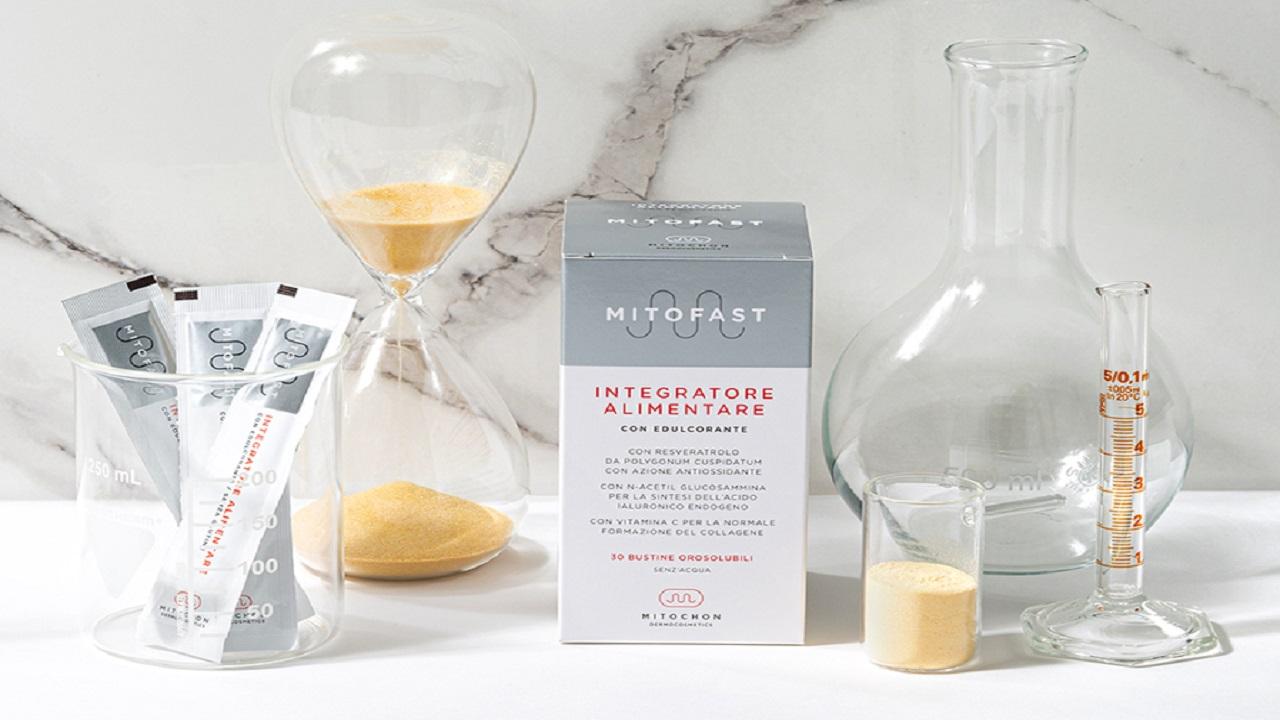

Tra i disturbi urogenitali maschili, quelli della prostata possono colpire anche i giovani adulti?
Si, le attuali statistiche dimostrano che il 30-40% degli uomini ha disturbi della prostata a partire dai 35 anni d’età (1, 145).
E’ stata infatti rilevata una tendenza all’aumento dei sintomi prostatici in età giovanile, quindi non solo dovuti all’avanzamento dell’età (1).
A cosa viene attribuito questo problema?
Le più recenti ricerche mettono in primo piano il precoce invecchiamento biologico dell’organismo (1-5) (Nota 1).
La rivista GeroScience (1) ha illustrato come questo fenomeno aumenti il rischio di ingrossamento della prostata (ipertrofia prostatica benigna), e del cancro prostatico (1-5). L’anticipato invecchiamento cellulare, dei tessuti e degli organi (1), oltre alla predisposizione genetica (6), vengono indicate come le principali origini molecolari e cellulari di queste malattie (1-6).
Oltre ai disturbi della prostata, tali alterazioni sono associate anche ad un maggior rischio cardiovascolare, metabolico, neurodegenerativo e della mortalità (7-14).
Tutte queste malattie hanno infatti in comune molti meccanismi fisiopatologici, es.: disfunzione mitocondriale (14-25), infiammazione cronica (26-47), stress ossidativo (48-52), senescenza cellulare (53-55), alterazioni del microbiota intestinale ecc. (56-66).
Cosa può innescare questi fenomeni dannosi per la prostata?
Vari fattori esterni ed interni all’organismo contribuiscono ad accelerare l’invecchiamento, ed esporre all’insorgenza ed allo sviluppo dei disturbi della prostata anche in età giovanile, es.:
• fumo di tabacco (67, 68, 69);
• eccessivo consumo di alcol (67, 70, 71, 72);
• inquinanti ambientali (73-76);
• inadeguato apporto vitaminico, minerale, fibre ecc.. Abitudini alimentari pro-infiammatorie, come l’elevato apporto lipidico, di cibi ad alto indice glicemico e quelli ultra-processati (77-84). Gli effetti negativi dei cibi ultra-processati sono stati confermati da varie ricerche svolte anche in Italia (85), ed effettuate su ampie fasce della popolazione (84, 86).
• sovrappeso (87-91), obesità di lunga durata, anche nel caso dei giovani adulti (92) e degli adolescenti (93);
• sindrome metabolica, in presenza di insulino-resistenza, elevato rapporto Trigliceridi / Glucosio (94-99), eccesso di grasso addominale (100-101), elevato indice aterogenico plasmatico (rapporto Trigliceridi / Colesterolo HDL) (102);
• prediabete e diabete di tipo 2 (103-118).
• malattie cardiovascolari, es.: ipertensione arteriosa (119), che hanno una relazione bidirezionale con l’accelerazione dell’invecchiamento biologico e con altre condizioni cliniche sistemiche già elencate, come sovrappenso-obesità (119-124).
• periodontite, associata anche ad altre malattie sistemiche, come quelle neurodegenarative (125-130).
• declino delle capacità antiossidanti dell’organismo. Con abbassamento delle concentrazioni dei componenti del sistema enzimatico: catalasi, superossido dismutasi ecc.; e del sistema non-enzimatico: glutatione, coenzima Q10, vitamina C, E, ecc. (131-139).
• abbassamento dei livelli di testosterone (140), non solo collegati all’andropausa (141-144), ma anche derivanti da altre cause, come il sovrappeso e l’obesità (101, 145, 146). L’inadeguato apporto calorico, vitaminico e minerale, eccesso di alcol e caffeina, disturbi metabolici, insufficiente qualità e durata del sonno ecc., possono infatti generare squilibri ormonali già dall’adolescenza (143, 147, 148, 149).
• alti livelli ematici di omocisteina (iperomocisteinemia), comportano l’aumento del rischio cardiovascolare e metabolico. L’insufficiente apporto di vitamine del gruppo B, regolatrici del metabolismo dell’omocisteina, è tra le principali cause dell’iperomocisteinemia (124, 150, 151, 152).
• Esistono molte altre condizioni caratterizzate da infiammazione, stress ossidativo ecc., che possono facilitare il precoce invecchiamento, ed esporre al rischio dei disturbi della prostata. Ne sono un esempio la dermatite atopica, la psoriasi, malattie muscolo scheletriche ecc. (153-167)
Come rallentare l’invecchiamento e ridurre il rischio di dei disturbi prostatici?
Adeguati comportamenti possono proteggere e mantenere la salute della prostata, es.:
• stile di vita, riducendo il più possibile i noti fattori di rischio, es.: sovrappeso / obesità, eccesso di fumo ed alcol, ridotta qualità e durata del sonno, ecc.;
• esercizio fisico praticato con regolarità;
• periodici controlli medici preventivi, ed all’occorrenza adeguate terapie;
• uso mirato di specifici antiossidanti / antinfiammatori e vitamine contenute in nutraceutici ben formulati, di documentata efficacia e qualità (1, 18, 168-178).
Quale contributo possono fornire i nutraceutici Mitochon srl?
Gli ingredienti attivi di Mitofast® e Mitofast B12 (Nota 2) contrastano in modo significativo i danni precoci dell’aging epigenetico e biologico, con l’obiettivo di raggiungere e conservare il benessere dell’organismo, i livelli di energia e vitalità (101, 124, 148, 149, 152, 179-184).
Alcuni ingredienti hanno dimostrato benefici anche nei disturbi della prostata e nelle sue complicazioni, es.:
Resveratrolo
Oltre a contrastare l’ossido-infiammazione, l’integrazione con resveratrolo rallenta l’accelerazione dell’invecchiamento biologico (101, 124, 143, 144, 152, 185-193).
Nei disturbi urogenitali queste attività del resveratrolo risulterebbero vantaggiose nella gestione dell’ipotrofia prostatica benigna e delle sue complicazioni (194-197), nella prevenzione del tumore prostatico, ed in affiancamento alle terapie farmacologiche impiegate nei disturbi della prostata (198-200).
Il resveratrolo svolge inoltre importanti azioni su alcune delle comorbidità che possono facilitare l’insorgenza e lo sviluppo dei disturbi prostatici, es.:
malattie metaboliche (101, 143, 144, 201) cardiovascolari (124), neurodegenerative, stress psicofisico e disturbi del sonno (152, 183, 184, 185, 202), disbiosi intestinale (203-211), malattie osteoarticolari (186, 212, 213).
Coenzima Q10
E’ tra le molecole più studiate ed utilizzate con successo nell’antiaging cutaneo e sistemico, oltre a prevenire ed attenuare molti disturbi correlati all’invecchiamento (186, 188, 214-224).
Nei disturbi urogenitali l’integrazione con coenzima Q10 contribuisce a:
• ridurre significativamente il volume prostatico, anche in associazione alle terapie farmacologiche (226).
• incrementare in modo significativo i livelli ematici di testosterone, ottimizzando le funzioni metaboliche ed ormonali (227, 228).
Vitamina B12 e acido folico
Oltre alle molteplici funzioni, sono vitamine utili per rallentare l’invecchiamento epigenetico-biologico (160, 229-234). Inoltre, modulano i livelli ematici di omocisteina, per prevenire e ridurre l’iperomocisteinemia, noto fattore di rischio per le malattie cardiovascolari, metaboliche e neurologiche, anch’esse reciprocamente legate ai disturbi della prostata (124, 143, 150, 151, 152, 160, 211, 229, 235).
In ambito urogenitale sono documentati:
• un adeguato apporto di acido folico / folati e di vitamina B12 è inversamente associato al rischio di tumore prostatico (236);
• bassi livelli ematici di vitamina B12 sono associati ad un elevato rischio di carenza di testosterone e squilibri del profilo ormonale androgenico (237).
Un ulteriore contributo deriva da altri ingredienti attivi di Mitofast® , come la N-acetilcisteina (238-248) la N-acetilglucosamina (249, 250), le vitamine C ed E (255, 256). Grazie alla loro azione sinergica contro l'invecchiamento, risultano utili anche per attenuare i problemi della prostata (255, 256).
Quali conclusioni pratiche per il benessere maschile?
Sono prioritari i comportamenti e le abitudini di vita adatte a contrastare l’accelerazione dell’invecchiamento biologico.
La prevenzione medica è indispensabile, attraverso opportuni controlli periodici.
In presenza di cause che accelerano l’invecchiamento biologico, assumere in modo mirato specifici integratori alimentari contribuisce a ridurre il rischio di molti disturbi clinici, inclusi quelli che colpiscono la prostata, anche in giovane età (257).
Nota 1
Nello studio pubblicato da GeroScience (1) la valutazione dell’età biologica è stata calcolata con un algoritmo (BioAge https://bioagecalculator.agelessrx.com/) comprendente 10 parametri:
età cronologica, albumina, fosfatasi alcalina, creatinina, glucosio, proteina C-reattiva, percentuale di linfociti, volume corpuscolare medio (MCV), ampiezza di distribuzione dei globuli rossi (RDW), conta dei globuli bianchi (WBC).
PhenoAgeAccel è stata definita come un’età biologica superiore a quella cronologica, quindi accelerata. PhenoAgeDecell è un’età biologica inferiore a quella cronologica.
Nota 2
Integratori antiaging Mitochon srl https://www.mitochon.it/
Mitofast® bit.ly/3VUlGkS e Mitofast B12 bit.ly/4d5ll4P,prevengono ed attenuano i fenomeni biomolecolari dell’invecchiamento cutaneo e sistemico.
• Mitofast® è una formulazione orosolubile, bilanciata e sinergica di: resveratrolo, coenzima Q10, acido folico, vitamina C, N-acetilcisteina (NAC) precursore di glutatione, N-acetilglucosamina (NAG) per la sintesi di acido ialuronico.
• Mitofast B12 è un integratore liquido studiato per somministrare in modo mirato la ciancobalamina, la forma di vitamina B12 farmacologicamente più adatta per l’uso orale.
Bibliografia
1. Li X, Lian P, Chen H, Zhang L, Zhang Z, Wang J, Xing N, Jiang T, Chen Z, Zhang X, Ye X. Phenotypic age acceleration as a novel predictor of benign prostatic hyperplasia: a prospective cohort study. Geroscience. 2025 Sep 11. doi: 10.1007/s11357-025-01846-9.
2. Huang Q, Li BH, Wang YB, Zi H, Zhang YY, Li F, Fang C, Tang SD, Jin YH, Huang J, Zeng XT. Clinical biomarker-based biological aging and risk of benign prostatic hyperplasia: A large prospective cohort study. Aging Med (Milton). 2024 Jun 14;7(3):393-405. doi: 10.1002/agm2.12331.
3. Zarakowska E, Guz J, Gackowski D, Olinski R. Relationship Between Prostate Cancer and Benign Hyperplasia: Role of Inflammation-Induced Oxidative Stress, Vitamin C, and Epigenetics. World J Mens Health. 2025 Aug 6. doi: 10.5534/wjmh.250116.
4. Yin W, Song B, Yu C, Jiang J, Yan Z, Xie C. Association of biological aging with prostate cancer: insights from the National Health and Nutrition Examination Survey. Aging Clin Exp Res. 2024 Oct 24;36(1):209. doi: 10.1007/s40520-024-02861-0.
5. Morelli M, Pepe A, Costanzo S, Panzera T, Magnacca S, Curtis A, Muñoz Venegas ML, Cerletti C, Donati MB, de Gaetano G, Iacoviello L, Gialluisi A; Moli-sani Study Investigators. Exploring the Complex Relationship between Biological Aging and Cancer in a Prospective Italian Population Cohort. Aging Dis. 2025 Jun 14. doi: 10.14336/AD.2025.0204.
6. Hennenberg M, Hu S, Tamalunas A, Stief CG. Genetic Predisposition to Benign Prostatic Hyperplasia: Where Do We Stand? Eur Urol Open Sci. 2024 Oct 31;70:154-157. doi: 10.1016/j.euros.2024.10.012.
7. Yang W, Zhou L, Zhu M, Chen Y, Li D, Sun L, Wang Y. Accelerated biological ageing and cardiovascular disease trajectories: a multistate analysis. Heart. 2025 Sep 4:heartjnl-2025-325881. doi: 10.1136/heartjnl-2025-325881.
8. Zhang, JJ., Yu, HC., Geng, TT. et al. Changes in accelerated aging and risk of cardiovascular disease and mortality: three cohort studies. BMC Med 23, 533 (2025). https://doi.org/10.1186/s12916-025-04365-8
9. Forrester SN, Baek J, Hou L, Roger V, Kiefe CI. A Comparison of 5 Measures of Accelerated Biological Aging and Their Association With Incident Cardiovascular Disease: The CARDIA Study. J Am Heart Assoc. 2024 Apr 16;13(8):e032847. doi: 10.1161/JAHA.123.032847.
10. K Qu, E Dal Canto, A L N Van Ommen, S A Kamar, A J Teske, M J Cramer, M C Verhaar, D J Duncker, F H Rutten, I Kardys, G A Somsen, N C Onland-Moret, E Diez Benavente, H M Den Ruijter, Laboratory of Experimental Cardiology, University Medical Center Utrecht;Cardiology Centers of the Netherland, Accelerated organ aging varies by sex in a population at high cardiovascular risk, European Heart Journal, Volume 46, Issue Supplement_1, November 2025, ehaf784.1404, https://doi.org/10.1093/eurheartj/ehaf784.1404
11. Emami M, Agbaedeng TA, Thomas G, Middeldorp ME, Thiyagarajah A, Wong CX, Elliott AD, Gallagher C, Hendriks JML, Lau DH, Sanders P. Accelerated Biological Aging Secondary to Cardiometabolic Risk Factors Is a Predictor of Cardiovascular Mortality: A Systematic Review and Meta-analysis. Can J Cardiol. 2022 Mar;38(3):365-375. doi: 10.1016/j.cjca.2021.10.012.
12. Jiang, M., Tian, S., Liu, S. et al. Accelerated biological aging elevates the risk of cardiometabolic multimorbidity and mortality. Nat Cardiovasc Res 3, 332–342 (2024). https://doi.org/10.1038/s44161-024-00438-8
13. Doering E, Hoenig MC, Cole JH, Drzezga A. When Age Is More Than a Number: Acceleration of Brain Aging in Neurodegenerative Diseases. J Nucl Med. 2025 Oct 1;66(10):1516-1521. doi: 10.2967/jnumed.125.270325.
14. Dan Zhou , Yumeng Lin , Zhongyu Han , Zhuyun Zhang , Le Lin , Shichong Lin , Qianke Yang. The Impact of Aging on Neurological Diseases in the Elderly: Molecular Mechanisms and Therapeutic Perspectives. Aging and disease. 2025, 16(5): 2953-2978 https://doi.org/10.14336/AD.2024.1085
15. Li Y, Berliocchi L, Li Z, Rasmussen LJ. Interactions between mitochondrial dysfunction and other hallmarks of aging: Paving a path toward interventions that promote healthy old age. Aging Cell. 2024 Jan;23(1):e13942. https://onlinelibrary.wiley.com/doi/10.1111/acel.13942
16. Lopez-Otin, C., Blasco, M. A., Partridge, L., Serrano, M., & Kroemer, G. (2023). Hallmarks of aging: An expanding universe. Cell, 186(2), 243–278. https://doi.org/10.1016/j.cell.2022.11.001
17. Wei, P., Zhang, X., Yan, C. et al. Mitochondrial dysfunction and aging: multidimensional mechanisms and therapeutic strategies. Biogerontology 26, 142 (2025). https://doi.org/10.1007/s10522-025-10273-4
18. Liu H, Li Y, Qiu J, Zhang J, Lai H, Zhang X. Crosstalk between mitochondrial dysfunction and benign prostatic hyperplasia: unraveling the intrinsic mechanisms. Can J Urol. 2025 Aug 29;32(4):255-269. doi: 10.32604/cju.2025.066523.
19. Xie Z, Zhang X, Li Y, Zhu R. Mitochondrial dysfunction drives cellular senescence: Molecular mechanisms of inter-organelle communication. Exp Gerontol. 2025 Nov;211:112913. doi: 10.1016/j.exger.2025.112913.
20. Xu X, Pang Y, Fan X. Mitochondria in oxidative stress, inflammation and aging: from mechanisms to therapeutic advances. Signal Transduct Target Ther. 2025 Jun 11;10(1):190. doi: 10.1038/s41392-025-02253-4.
21. Sinha JK, Jorwal K, Singh KK, Han SS, Bhaskar R, Ghosh S. The Potential of Mitochondrial Therapeutics in the Treatment of Oxidative Stress and Inflammation in Aging. Mol Neurobiol. 2025 Jun;62(6):6748-6763. doi: 10.1007/s12035-024-04474-0.
22. Zhang X, Gao Y, Zhang S, Wang Y, Pei X, Chen Y, Zhang J, Zhang Y, Du Y, Hao S, Wang Y, Ni T. Mitochondrial dysfunction in the regulation of aging and aging-related diseases. Cell Commun Signal. 2025 Jun 19;23(1):290. doi: 10.1186/s12964-025-02308-7.
23. Zole E, Baumanis E, Freimane L, Dāle R, Leiše A, Lietuvietis V, Ranka R. Changes in TP53 Gene, Telomere Length, and Mitochondrial DNA in Benign Prostatic Hyperplasia Patients. Biomedicines. 2024 Oct 15;12(10):2349. doi: 10.3390/biomedicines12102349.
24. Zhang J, Lou C. Mitochondrial involvement in PC: improving therapeutic strategies. Front Pharmacol. 2025 Nov 7;16:1710923. doi: 10.3389/fphar.2025.1710923.
25. Gong B, Yang F, Zhang N, Wu Z, Liu T, Wang K, Zhang X, Zhang Y, Song Z, Liang C. Multi-omic insights into mitochondrial dysfunction and prostatic disease: evidence from transcriptomics, proteomics, and methylomics. Front Genet. 2025 Aug 22;16:1609933. doi: 10.3389/fgene.2025.1609933.
26. Wu Y, Sheng J, Liu X, Huang Y, Zhang Y, Feng N. The Relationship Between Immune-Inflammatory Indexes and the Severity of Lower Urinary Tract Symptoms/Benign Prostatic Hyperplasia: A Cross-Sectional Study at a Tertiary Hospital in China. J Inflamm Res. 2025 Jun 27;18:8509-8523. doi: 10.2147/JIR.S523193.
27. Shi C, Cao H, Zeng G, Yang L, Wang Y. The relationship between complete blood cell count-derived inflammatory biomarkers and benign prostatic hyperplasia in middle-aged and elderly individuals in the United States: Evidence from NHANES 2001-2008. PLoS One. 2024 Jul 9;19(7):e0306860. doi: 10.1371/journal.pone.0306860.
28. Huang G, Xiao K, Lin S and Lu X (2025) Association of systemic inflammatory biomarkers with prostate cancer risk: a population-based (NHANES) and clinical validation study. Front. Endocrinol. 16:1697617. doi: 10.3389/fendo.2025.1697617
29. He R, Ye Y, Zhu Q and Xie C (2024) Systemic immune-inflammation index is associated with high risk for prostate cancer among the U.S. elderly: Evidence from NHANES 2001-2010. Front. Oncol. 14:1441271. doi: 10.3389/fonc.2024.1441271
30. Guo P, A G, Chen T, Guo Y, Tang Y, Pan J, Wang B, Gong R, Chen G, Huang S. A hematological and inflammatory marker-based model for prostate carcinoma diagnosis. Am J Cancer Res. 2025 Jun 15;15(6):2551-2563. doi:10.62347/TVFQ4646.
31. Yao W, Wu J, Kong Y, Xu F, Zhou Y, Sun Q, Gao Q, Cai Z, Yang C, Huang Y. Associations of systemic immune-inflammation index with high risk for prostate cancer in middle-aged and older US males: A population-based study. Immun Inflamm Dis. 2024 Jun;12(6):e1327. doi: 10.1002/iid3.1327.
32. Tang Z, Li S, Zeng M, Zeng L, Tang Z (2024) The association between systemic immune-inflammation index and prostate-specific antigen: Results from NHANES 2003–2010. PLoS ONE 19(11): e0313080. https://doi.org/10.1371/journal.pone.0313080
33. Liao X, Tang Z, Ai J, Xu H, Zhang S, Liu L, Qiu S, Tan P, Fan Y, Yang L and Wei Q (2020) Detection of Prostatic Inflammation From Peripheral Lymphocyte Count and Free/Total PSA Ratio in Men With LUTS/BPH. Front. Pharmacol. 11:589. doi: 10.3389/fphar.2020.00589
34. Zhu M, Zhou Y, Liu Z, Jiang Z, Qi W, Chen S, Wang W, Shi B, Zhu Y. Diagnostic Efficiency of Pan-Immune-Inflammation Value to Predict Prostate Cancer in Patients with Prostate-Specific Antigen between 4 and 20 ng/mL. J Clin Med. 2023 Jan 19;12(3):820. doi: 10.3390/jcm12030820.
35. Jiang H, Niu X, Mao F. Inflammation-immune-nutrition biomarkers and PSA variability: A population-based study on the clinical potential of the CALLY index. Biomed Rep. 2025 Sep 22;23(5):181. doi: 10.3892/br.2025.2059.
36. Sameen AM, Shabeeb IA, Rashied RM. The role of inflammatory processes and zinc levels in prostatic enlargement among Iraqi samples. J Med Life. 2023 Sep;16(9):1388-1392. doi: 10.25122/jml-2023-0224.
37. Liedtke V, Stöckle M, Junker K, Roggenbuck D. Benign prostatic hyperplasia - A novel autoimmune disease with a potential therapy consequence? Autoimmun Rev. 2024 Mar;23(3):103511. doi: 10.1016/j.autrev.2023.103511.
38. Inamura S, Terada N. Chronic inflammation in benign prostatic hyperplasia: Pathophysiology and treatment options. Int J Urol. 2024 Sep;31(9):968-974. doi: 10.1111/iju.15518.
39. Liu R, Liu M, Wang C, Tao Z, Hu G. Association of systemic immune-inflammation index (SII) with epigenetic age acceleration in adults: insights from NHANES. Epigenetics. 2025 Dec;20(1):2541248. doi: 10.1080/15592294.2025.2541248.
40. Sun Z, Dai G, Quan N. Hypertension accelerates aging: Evidence from NHANES database and Mendelian randomization analyses. Clin Exp Hypertens. 2025 Dec 31;47(1):2559743. doi: 10.1080/10641963.2025.2559743.
41. Baylan B, Ulusoy K, Ekenci B, Kartal IG. Can systemic immune-inflammation index and hematologic parameters aid in decision-making for active surveillance or curative treatment in low-risk prostate cancer? Asian J Surg. 2024 Mar;47(3):1360-1365. doi: 10.1016/j.asjsur.2023.11.126.
42. Ahmed R, Hamdy O, Awad RM. Diagnostic efficacy of systemic immune-inflammation biomarkers in benign prostatic hyperplasia using receiver operating characteristic and artificial neural network. Sci Rep. 2023 Sep 8;13(1):14801. doi: 10.1038/s41598-023-41781-3.
43. Horsanali MO, Dil E, Caglayan A, Ekren F, Ozsagir YO. The Predictive Value of the Systemic Immune-Inflammation Index for the Progression of Lower Urinary Tract Symptoms in Men. Asian Pac J Cancer Prev. 2023 Nov 1;24(11):3845-3850. doi: 10.31557/APJCP.2023.24.11.3845.
44. Kacan T, Demir DO, Yildiz AK, Gokkurt Y, Erbay OF, Yazar VM, Keseroglu BB, Karakan T. Can the systemic immune-inflammation index be used to differentiate benign and malignant pathologies before transrectal ultrasound-guided prostate biopsy? BMC Urol. 2025 Dec 4. doi: 10.1186/s12894-025-02011-2.
45. Zhang L, Fu J, Liu X, Feng S, Leng Y. The immune landscape of systemic inflammation in prostate cancer. Cancer Biol Med. 2025 Sep 4;22(8):881–902. doi: 10.20892/j.issn.2095-3941.2025.0149.
46. Guan R, Wan L, Zhuang C. The Association between Systemic Inflammation and the Prostate Cancer: based on the National Health and Nutrition Examination Survey and Mendelian Randomization Analysis. Urol J. 2025 Sep 9;22(3):139-146. doi: 10.22037/uj.v21i.8268.
47. Chen X, Li Y, Chen Z, Xie G, Yin H, Li G. The diagnostic value of inflammatory markers in bone metastasis of prostate cancer at initial prostate biopsy. Front Oncol. 2025 Oct 9;15:1626358. doi: 10.3389/fonc.2025.1626358.
48. Kaltsas A, Giannakas T, Stavropoulos M, Kratiras Z, Chrisofos M. Oxidative Stress in Benign Prostatic Hyperplasia: Mechanisms, Clinical Relevance and Therapeutic Perspectives. Diseases. 2025 Feb 11;13(2):53. doi: 10.3390/diseases13020053.
49. Guz J, Zarakowska E, Mijewski P, Wasilow A, Lesniewski F, Foksinski M, Brzoszczyk B, Jarzemski P, Gackowski D, Olinski R. Epigenetic DNA modifications and vitamin C in prostate cancer and benign prostatic hyperplasia: Exploring similarities, disparities, and pathogenic implications. Neoplasia. 2024 Dec;58:101079. doi: 10.1016/j.neo.2024.101079.
50. Jiang YH, Lee J, Kuo HC, Wu YH. Urinary Inflammatory and Oxidative Stress Biomarkers as Indicators for the Clinical Management of Benign Prostatic Hyperplasia. Int J Mol Sci. 2025 Jul 6;26(13):6516. doi: 10.3390/ijms26136516.
51. Xiang J, Zheng Y, Chen D, Zeng Y, Zhang J, Chang D, Chang C. The pathogenesis of benign prostatic hyperplasia and the roles of Prdx3, oxidative stress, pyroptosis and autophagy:a review. Front Oncol. 2025 Aug 5;15:1579539. doi: 10.3389/fonc.2025.1579539
52. Tarcan T, Vahabi B, Mosiello G, Fry C, Tyagi P, Sellers D, Lombardo R, Wein A, Abrams P, Kanai A. Measurement of Oxidative Stress to Allow the Development and Use of New Therapies in Lower Urinary Tract Dysfunction: ICI-RS 2025. Neurourol Urodyn. 2025 Nov 11. doi: 10.1002/nau.70179.
53. Wang Y, Zhou L, Liu J, Zhou Q, Xiong W, Wang L. Elucidating Cellular Senescence-related Genes in Benign Prostatic Hyperplasia Through Mendelian Randomization and Single-cell RNA Sequencing. J Gerontol A Biol Sci Med Sci. 2025 Jun 10;80(7):glaf073. doi: 10.1093/gerona/glaf073.
54. Zhou L, Zhong X, Hu D, Hu G, Li C, Tan S, Xiong W, Li L, Tang J. Identification of potential biomarkers associated with cellular senescence in benign prostatic hyperplasia. Sci Rep. 2025 Nov 24;15(1):41703. doi: 10.1038/s41598-025-25734-6.
55. Hassan MS, Irfan HM, Alamgeer, Sarwar M, Jabbar Z, Nawaz S. Emerging therapeutic frontiers in prostate health: Novel molecular targets and classical pathways in comparison with BPH and prostate cancer. Crit Rev Oncol Hematol. 2025 Feb;206:104590. doi: 10.1016/j.critrevonc.2024.104590.
56. Li J, Li Y, Zhou L, Li C, Liu J, Liu D, Fu Y, Wang Y, Tang J, Zhou L, Tan S, Wang L. The human microbiome and benign prostatic hyperplasia: Current understandings and clinical implications. Microbiol Res. 2024 Apr;281:127596. doi: 10.1016/j.micres.2023.127596.
57. Cai T, Ceccato T, Botti S, Kranz J, Verze P, Bonkat G, Aversa A, Racanelli V, Bjerklund Johansen TE. Impact of Lifestyle and the Microbiome on Male Lower Urinary Tract Symptoms Due to Benign Prostatic Hyperplasia. Eur Urol Focus. 2025 Apr 19:S2405-4569(25)00090-2. doi: 10.1016/j.euf.2025.04.013.
58. Yu-shuai Bai, Shuai-xin Yu, Lin Xia, Xiao Liang, Ling-yue Meng, Dong-xia Zhao, Tao Li, Chen-xuan Li, Bo-zhao Li, Man Li, Body fat distribution and aging: Unveiling the association and potential intervention strategies, Nutrition, 2025, https://doi.org/10.1016/j.nut.2025.113034.
59. Sharma, S.; Prizment, A.; Nelson, H.; Zhang, L.; Staley, C.; Poynter, J.N.; Seshadri, G.; Ellison, A.; Thyagarajan, B. Association between Accelerated Biological Aging, Diet, and Gut Microbiome. Microorganisms 2024, 12, 1719. https://doi.org/10.3390/microorganisms12081719
60. Ramasinghe C, Bordiga M, Xu B. A Comprehensive Review of the Triangular Relationship Among Diet, Gut Microbiota, and Aging. Int J Mol Sci. 2025 Sep 9;26(18):8785. doi: 10.3390/ijms26188785.
61. Russo GI, Broggi G, Cocci A, Capogrosso P, Falcone M, Sokolakis I, Gül M, Caltabiano R, Di Mauro M. Relationship between Dietary Patterns with Benign Prostatic Hyperplasia and Erectile Dysfunction: A Collaborative Review. Nutrients. 2021; 13(11):4148. https://doi.org/10.3390/nu13114148
62. Li S, Cao H, Zhang Y, Yang T, Li M, Lv C, Lian X. Association between periodontal disease and prostate disease: a mini review. Front Cell Infect Microbiol. 2025 Oct 8;15:1669490. doi: 10.3389/fcimb.2025.1669490.
63. Cao Y, Pelekos G, Jin L, Li A, Du M, Hu S, Liu Z, Deng K. Dissecting the causal association of periodontitis with biological aging and its underlying mechanisms: findings from Mendelian randomization and integrative genetic analysis. J Periodontal Implant Sci. 2025 Oct;55(5):383-396. doi: 10.5051/jpis.2403420171.
64. Yan Z, Guan G, Jia H, Li H, Zhuoga S, Zheng S. The association between gut microbiota and accelerated aging and frailty: a Mendelian randomization study. Aging Clin Exp Res. 2025 Mar 13;37(1):82. doi: 10.1007/s40520-025-02971-3.
65. Ye, C.; Li, Z.; Ye, C.; Yuan, L.; Wu, K.; Zhu, C. Association between Gut Microbiota and Biological Aging: A Two-Sample Mendelian Randomization Study. Microorganisms 2024, 12, 370. https://doi.org/10.3390/microorganisms12020370
66. Vitor GP, Carvalho AP, Esteves Lima RP, Miconi WG, Costa FO, Cota LOM. Association between periodontitis and prostate cancer: A case-control study. J Periodontol. 2025 Sep;96(9):1026-1034. doi: 10.1002/JPER.24-0440.
67. Feng, Changqiang MDa,b; Zhong, Songxin MDa,b; Li, Rida MDa,b; Lin, Yanni MSb; Zhu, Jianqing MSb; Liang, Xia MSb; Xiao, Chao MDa; Qin, Chao MDa,*. Impact of smoking and alcohol consumption on telomere length: A univariable and multivariable Mendelian randomization study. Medicine 104(39):p e44685, September 26, 2025. | DOI: 10.1097/MD.0000000000044685
68. Zhu+ Y, Gao+ Y, Lu+ Y, et al. The association between secondhand smoke exposure and accelerated biological aging: A population-based study and Mendelian randomization analysis. Tobacco Induced Diseases. 2025;23(May):59. doi:10.18332/tid/203865.
69. Cui F, Tang L, Li D, Ma Y, Wang J, Xie J, Su B, Tian Y, Zheng X. Early-life exposure to tobacco, genetic susceptibility, and accelerated biological aging in adulthood. Sci Adv. 2024 May 3;10(18):eadl3747. doi: 10.1126/sciadv.adl3747.
70. Wang M, Li Y, Lai M, Nannini DR, Hou L, Joehanes R, Huan T, Levy D, Ma J, Liu C. Alcohol consumption and epigenetic age acceleration across human adulthood. Aging (Albany NY). 2023 Oct 26; 15:10938-10971 . https://doi.org/10.18632/aging.205153
71. Chen H, Yin J, Xiang Y, Zhang N, Huang Z, Zhang Y, Tang D, Wang Z, Baimayangji, Chen L, Jiang X, Xiao X, Zhao X. Alcohol consumption and accelerated biological ageing in middle-aged and older people: A longitudinal study from two cohorts. Addiction. 2024 Aug;119(8):1387-1399. doi: 10.1111/add.16501.
72. Battista JT, Vidrascu E, Robertson MM, Robinson DL, Boettiger CA. Greater alcohol intake predicts accelerated brain aging in humans, which mediates the relationship between alcohol intake and behavioral inflexibility. Alcohol Clin Exp Res (Hoboken). 2025 Mar;49(3):564-572. doi: 10.1111/acer.15534.
73. Zhao Y, Yang X, He D, Wei W, Cheng B, Zhang F. Associations between environmental air pollution, greenspace and apparent biological aging: a cross-sectional study. Geroscience. 2025 Jun;47(3):5157-5168. doi: 10.1007/s11357-025-01597-7.
74. Pei Xiao, Yinkun Yan, Jingfan Xiong, Jie Mi, Integrative genetic analysis to decode the causal effect of air pollution on accelerated aging, QJM: An International Journal of Medicine, Volume 118, Issue 9, September 2025, Pages 637–646, https://doi.org/10.1093/qjmed/hcaf093
75. Qiu, S., Hu, Y. & Liu, G. Mendelian randomization study supports the causal effects of air pollution on longevity via multiple age-related diseases. npj Aging 9, 29 (2023). https://doi.org/10.1038/s41514-023-00126-0
76.Dutta S, Goodrich JM, Dolinoy DC, Ruden DM. Biological Aging Acceleration Due to Environmental Exposures: An Exciting New Direction in Toxicogenomics Research. Genes (Basel). 2023 Dec 21;15(1):16. doi: 10.3390/genes15010016.
77. Ravi S, Kankaanpää A, Bogl LH, Heikkinen A, Pietiläinen KH, Kaprio J, Ollikainen M, Sillanpää E. Suboptimal dietary patterns are associated with accelerated biological aging in young adulthood: A study with twins. Clin Nutr. 2025 Feb;45:10-21. doi: 10.1016/j.clnu.2024.12.018.
78. Ma J, Li P, Jiang Y, Yang X, Luo Y, Tao L, Guo X, Gao B. The Association between Dietary Nutrient Intake and Acceleration of Aging: Evidence from NHANES. Nutrients. 2024; 16(11):1635. https://doi.org/10.3390/nu16111635
79. Zeng, LS., Wu, YT. & Zhang, FP. The association between dietary quality and biological aging: two-mediation analysis. Aging Clin Exp Res 37, 130 (2025). https://doi.org/10.1007/s40520-025-03038-z
80. Wei C, Yang Q, He J, Luo Y, Han K, Li J, Su S, Zhang J, Wang H and Wang D (2025) Healthy dietary patterns, biological aging, and kidney stones: evidence from NHANES 2007–2018. Front. Nutr. 12:1538289. doi: 10.3389/fnut.2025.1538289
81. Loughlin KN, Grootswagers P, Camps G, de Groot LC. Perspective: Biomarkers of Aging in Human Nutrition Research-A Focus on Applications, Challenges, and Opportunities. Adv Nutr. 2025 Sep;16(9):100486. doi: 10.1016/j.advnut.2025.100486.
82. Pachter D, Kaplan A, Tsaban G, Zelicha H, Meir AY, Rinott E, Levakov G, Salti M, Yovell Y, Huhn S, Beyer F, Witte V, Kovacs P, von Bergen M, Ceglarek U, Blüher M, Stumvoll M, Hu FB, Stampfer MJ, Friedman A, Shelef I, Avidan G, Shai I. Glycemic control contributes to the neuroprotective effects of Mediterranean and green-Mediterranean diets on brain age: the DIRECT PLUS brain-magnetic resonance imaging randomized controlled trial. Am J Clin Nutr. 2024 Nov;120(5):1029-1036. doi: 10.1016/j.ajcnut.2024.09.013.
83. Mir MA, Banik BK, Zaidi N, Abdelli N. Carbohydrates and cardiovascular disease. Adv Carbohydr Chem Biochem. 2025;87:25-42. doi: 10.1016/bs.accb.2025.09.002.
84. Wang Y, Qi T, Wu X, Li C, Zeng B, Huang P, Liu D, Liang S, Yang F, Xu F, Su C, Zhang B, Dai J. Ultra-processed foods, biological ageing, and all-cause mortality risk: a prospective cohort study using 172,225 participants from UK Biobank. Geroscience. 2025 Oct;47(5):6599-6612. doi: 10.1007/s11357-025-01810-7.
85. Esposito S, Gialluisi A, Di Castelnuovo A, Costanzo S, Pepe A, Ruggiero E, De Curtis A, Persichillo M, Cerletti C, Donati MB, de Gaetano G, Iacoviello L, Bonaccio M; Moli-sani Study Investigators; Steering Committee; Scientific Secretariat; Safety and Ethical Committee; External Event Adjudicating Committee; Baseline and Follow-up Data Management; Data Analysis; Biobank, Molecular and Genetic Laboratory; Recruitment Staff; Communication and Press Office. Ultra-processed food consumption is associated with the acceleration of biological aging in the Moli-sani Study. Am J Clin Nutr. 2024 Dec;120(6):1432-1440. doi: 10.1016/j.ajcnut.2024.10.006.
86. Cardoso BR, Liu J, Machado P, Kwon D, Belsky DW, Martinez Steele E. Association between ultra-processed food intake and biological ageing in US adults: findings from National Health and Nutrition Examination Survey (NHANES) 2003-2010. Age Ageing. 2024 Nov 28;53(12):afae268. doi: 10.1093/ageing/afae268.
87. Chen Z, Chen Z, Jin X. Mendelian randomization supports causality between overweight status and accelerated aging. Aging Cell. 2023 Aug;22(8):e13899. doi: 10.1111/acel.13899.
88. Zeng X, Chen R, Shi D, Zhang X, Su T, Wang Y, Hu Y, He M, Yu H, Shang X. Association of metabolomic aging acceleration and body mass index phenotypes with mortality and obesity-related morbidities. Aging Cell. 2025 Apr;24(4):e14435. doi: 10.1111/acel.14435.
89. Cao X, Yang G, Li X, Fu J, Mohedaner M, Danzengzhuoga, Høj Jørgensen TS, Agogo GO, Wang L, Zhang X, Zhang T, Han L, Gao X, Liu Z. Weight change across adulthood and accelerated biological aging in middle-aged and older adults. Am J Clin Nutr. 2023 Jan;117(1):1-11. doi: 10.1016/j.ajcnut.2022.10.020.
90. Ler P, Mak JKL, Reynolds CA, Ploner A, Pedersen NL, Jylhävä J, Dahl Aslan AK, Finkel D, Karlsson IK. A Longitudinal Study of the Bidirectional Temporal Dynamics Between Body Mass Index and Biological Aging. J Cachexia Sarcopenia Muscle. 2025 Jun;16(3):e13824. doi: 10.1002/jcsm.13824.
91. Ragusa FS, Tanaka T, Veronese N, Mansueto P, Dominguez LJ, Barbagallo M, Ferrucci L. Weight of time: exploring the link between obesity and aging. Aging Clin Exp Res. 2025 Jul 28;37(1):236. doi: 10.1007/s40520-025-03106-4.
92. Correa-Burrows P, Burrows R, Albala C, Sepúlveda C, Salech F, Troncoso R, Bunout D, Gonzalez-Billault C. Long-Term Obesity and Biological Aging in Young Adults. JAMA Netw Open. 2025 Jul 1;8(7):e2520011. doi: 10.1001/jamanetworkopen.2025.20011.
93. Etzel L, Hastings WJ, Hall MA, Heim CM, Meaney MJ, Noll JG, O'Donnell KJ, Pokhvisneva I, Rose EJ, Schreier HMC, Shenk CE, Shalev I. Obesity and accelerated epigenetic aging in a high-risk cohort of children. Sci Rep. 2022 May 18;12(1):8328. doi: 10.1038/s41598-022-11562-5.
94. Zhang Y, Gui J, Song J, Li B, Wang Q, Lv X, Li C, Zhang G, Cheng Z, Huang X. Unraveling the relationship between metabolic syndrome and epigenetic aging: evidence from NHANES 1999-2002 and Mendelian randomization study. J Gerontol A Biol Sci Med Sci. 2025 Aug 23;80(9):glaf134. doi: 10.1093/gerona/glaf134.
95. Zhao Z and Liang Y (2025) Association between triglyceride-glucose index and phenotypic age acceleration: a cross-sectional study based on NHANES database. Front. Physiol. 16:1548690. doi: 10.3389/fphys.2025.1548690
96. Pan LY, Jin L. Association between triglyceride glucose index and biological aging in U.S. adults: National Health and Nutrition Examination Survey. Cardiovasc Diabetol. 2025 Feb 28;24(1):100. doi: 10.1186/s12933-025-02631-w.
97. Abbasi F, Robakis TK, Myoraku A, Watson KT, Wroolie T, Rasgon NL. Insulin resistance and accelerated cognitive aging. Psychoneuroendocrinology. 2023 Jan;147:105944. doi: 10.1016/j.psyneuen.2022.105944.
98. Wang B, Liu S, Li Q, Meng N, Chen Y, Qian G. Synergistic association of estimated glucose disposal rate and neutrophil-to-albumin ratio with accelerated biological aging. Diabetes Res Clin Pract. 2025 Oct;228:112449. doi: 10.1016/j.diabres.2025.112449.
99. Wang X, Yan X, Zhang J, Pan S, Li R, Cheng L, Qi X, Li L, Li Y. Associations of healthy eating patterns with biological aging: national health and nutrition examination survey (NHANES) 1999-2018. Nutr J. 2024 Sep 28;23(1):112. doi: 10.1186/s12937-024-01017-0.
100. Tan Y, Zeng N, Yu S, Wang C, Jia X. Association between body roundness index and phenoage acceleration among US adults. Front Public Health. 2025 Jun 17;13:1592274. doi: 10.3389/fpubh.2025.1592274
101. Mini-Review Sovrappenso / Obesità - Resveratrolo - Antiossidanti 2025 https://www.mitochon.it/sovrappeso-obesita-quale-contributo-dal-resveratrolo-ed-altri-antiossidanti/?v=0d149b90e739
102. Yang Q, Zhu X, Zhang L, Luo F. Dyslipidemia and aging: the non-linear association between atherogenic index of plasma (AIP) and aging acceleration. Cardiovasc Diabetol. 2025 Apr 25;24(1):181. doi: 10.1186/s12933-025-02695-8.
103. Dove A, Wang J, Huang H, Dunk MM, Sakakibara S, Guitart-Masip M, Papenberg G, Xu W. Diabetes, Prediabetes, and Brain Aging: The Role of Healthy Lifestyle. Diabetes Care. 2024 Oct 1;47(10):1794-1802. doi: 10.2337/dc24-0860.
104. Cagigas ML, Masedunskas A, Lin Y, Emery-Corbin SJ, Yousef JM, Dagley LF, Olechnowicz S, Bowden R, Hayward R, Low G, Muirhead R, Brand-Miller J, Fogeltholm M, Raben A, Demaria M, Fuller SJ, Fontana L. Short-Term Severe Energy Restriction Promotes Molecular Health and Reverses Aging Signatures in Adults With Prediabetes in the PREVIEW Study. Aging Cell. 2025 Aug;24(8):e70123. doi: 10.1111/acel.70123.
105. Yin Z, Song Y, Zhang J, Dai Q, Zhang X, Yang X, Nie N, Chen C, Cao Z, Ma X. AI-Based Hematological Age Predictors and the Association Between Biological Age Acceleration and Type 2 Diabetes Mellitus - Chongqing Municipality, China, 2015-2021. China CDC Wkly. 2024 Nov 8;6(45):1188-1193. doi: 10.46234/ccdcw2024.240.
106. González HM, Tarraf W, Stickel AM, Morlett A, González KA, Ramos AR, Rundek T, Gallo LC, Talavera GA, Daviglus ML, Lipton RB, Isasi C, Lamar M, Zeng D, DeCarli C. Glycemic Control, Cognitive Aging, and Impairment Among Diverse Hispanic/Latino Individuals: Study of Latinos- Investigation of Neurocognitive Aging (Hispanic Community Health Study/Study of Latinos). Diabetes Care. 2024 Jul 1;47(7):1152-1161. doi: 10.2337/dc23-2003.
107. Lu S, Xiong YJ, Meng XD, Shao DM, Lv T. Association between eGDR and accelerated aging: the mediating role of ePWV. Diabetol Metab Syndr. 2025 May 24;17(1):170. doi: 10.1186/s13098-025-01734-4.
108. Miao K, Hong X, Cao W, Lv J, Yu C, Huang T, Sun D, Liao C, Pang Y, Hu R, Pang Z, Yu M, Wang H, Wu X, Liu Y, Gao W, Li L. Association between epigenetic age and type 2 diabetes mellitus or glycemic traits: A longitudinal twin study. Aging Cell. 2024 Jul;23(7):e14175. doi: 10.1111/acel.14175.
109. Wu YR, Lin WY. Associations between lifestyle factors, physiological conditions, and epigenetic age acceleration in an Asian population. Biogerontology. 2025 Feb 5;26(2):51. doi: 10.1007/s10522-025-10195-1.
110. Zhang Z, He X, Sun Y, Li J, Sun J. Type 2 Diabetes Mellitus: A Metabolic Model of Accelerated Aging - Multi-Organ Mechanisms and Intervention Approaches. Aging Dis. 2025 May 23. doi: 10.14336/AD.2025.0233.
111. He J, Pan X, Liu D, Li J, Li Y, Wang Y, Guo J, Zhou Q, Zhou L, Wang L. Association between metabolic syndrome and risk of benign prostatic hyperplasia: a prospective cohort study of 163 975 participants. J Glob Health. 2025 Oct 3;15:04275. doi: 10.7189/jogh.15.04275.
112. Russo V, Tamburrino L, Morselli S, Sani C, Baldi E, Sebastianelli A, Raspollini MR, Mongia A, Carradori V, Lallo E, Munnia A, Bisanzi S, Marchiani S, Visioli C, Rapi S, Serni S, Zappa M, Carozzi F, Peluso M. Hyperglycemia and microRNAs in prostate cancer. Prostate Cancer Prostatic Dis. 2025 Mar;28(1):202-209. doi: 10.1038/s41391-024-00809-z.
113. Xin C, Fan H, Xie J, Hu J, Sun X, Liu Q. Impact of Diabetes Mellitus on Lower Urinary Tract Symptoms in Benign Prostatic Hyperplasia Patients: A Meta-Analysis. Front Endocrinol (Lausanne). 2022 Feb 1;12:741748. doi: 10.3389/fendo.2021.741748.
114. Wei P, Lin D, Luo C, Zhang M, Deng B, Cui K, Chen Z. High glucose promotes benign prostatic hyperplasia by downregulating PDK4 expression. Sci Rep. 2023 Oct 20;13(1):17910. doi: 10.1038/s41598-023-44954-2.
115. Kalra S, Kapoor N, Arora S. Diabetes and the prostate. J Pak Med Assoc. 2023 Dec;73(12):2491-2492. doi: 10.47391/JPMA.23-101.
116. Daher M, Saqer T, Jabr M, Al-Mousa S. Benign prostatic hyperplasia and metabolic syndrome; prevalence and association: a cross-sectional study in Syria. BMC Urol. 2023 Nov 16;23(1):187. doi: 10.1186/s12894-023-01365-9.
117. Bowie KR, Garzotto M, Orwoll E, Karstens L. Body mass index and benign prostatic hyperplasia correlate with urinary microbiome diversity and lower urinary tract symptoms in men. Commun Med (Lond). 2025 May 7;5(1):159. doi: 10.1038/s43856-025-00866-y.
118. Fu YQ, Wang FX, Yin KX, Duan XR, Wu JF, Zhang RJ. Association between metabolic syndrome and BPH/LUTS among community-dwelling men in Northern China: a population-based study. BMC Urol. 2025 Nov 11;25(1):280. doi: 10.1186/s12894-025-01989-z.
119. Sun Z, Dai G, Quan N. Hypertension accelerates aging: Evidence from NHANES database and Mendelian randomization analyses. Clin Exp Hypertens. 2025 Dec 31;47(1):2559743. doi: 10.1080/10641963.2025.2559743.
120. Hu L, Li J, Tang Z, Gong P, Chang Z, Yang C, Ma T, Jiang S, Yang C, Zhang T. How does biological age acceleration mediate the associations of obesity with cardiovascular disease? Evidence from international multi-cohort studies. Cardiovasc Diabetol. 2025 May 14;24(1):209. doi: 10.1186/s12933-025-02770-0.
121. Abugroun A, Shah SJ, Fitzmaurice G, Hubbard C, Newman JC, Covinsky K, Fang MC. The Association Between Accelerated Biological Aging and Cardiovascular Outcomes in Older Adults with Hypertension. Am J Med. 2025 Mar;138(3):487-494.e7. doi: 10.1016/j.amjmed.2024.10.029.
122. Ruperez C, Madeo F, de Cabo R, Kroemer G, Abdellatif M. Obesity accelerates cardiovascular ageing. Eur Heart J. 2025 Jun 16;46(23):2161-2185. doi: 10.1093/eurheartj/ehaf216.
123. Zhu T, Tian Y, Wang J, Wu Z, Xie W, Liu H, Li X, Tao L, Guo X. The Relationship between Visceral Fat Accumulation and Risk of Cardiometabolic Multimorbidity: The Roles of Accelerated Biological Aging. Nutrients. 2025 Apr 21;17(8):1397. doi: 10.3390/nu17081397.
124. Mini-Review Antiaging cardiovascolare 2025 https://www.mitochon.it/antiaging-cardiovascolare/?v=0d149b90e739
125. Mini-Review Salute orale - Invecchiamento 2025 https://www.mitochon.it/la-salute-orale-contro-linvecchiamento-e-le-malattie-correlate/?v=0d149b90e739
126. Song L, Wang Y, Zheng Q, Li W. Periodontitis prevalence and acceleration of biological aging: Insights from NHANES 2009-2014 and Mendelian randomization study. J Periodontal Res. 2025 Apr;60(4):350-360. doi: 10.1111/jre.13345.
127. Baima G, Romandini M, Citterio F, Romano F, Aimetti M. Periodontitis and Accelerated Biological Aging: A Geroscience Approach. J Dent Res. 2022 Feb;101(2):125-132. doi: 10.1177/00220345211037977.
128. Zhou H, Li Y, Miao D, Zhang J, Yang L, Li A, Cao R. Associations of Periodontitis With Biological Aging Among U.S. Adults: An Exploratory Mediation Analysis via Lactate. J Gerontol A Biol Sci Med Sci. 2025 Jun 10;80(7):glaf061. doi: 10.1093/gerona/glaf061.
129. Cao Y, Pelekos G, Jin L, Li A, Du M, Hu S, Liu Z, Deng K. Dissecting the causal association of periodontitis with biological aging and its underlying mechanisms: findings from Mendelian randomization and integrative genetic analysis. J Periodontal Implant Sci. 2025 Oct;55(5):383-396. doi: 10.5051/jpis.2403420171.
130. Qi X, Luo H, Xu Z, Liu R, Wu B. Accelerated biological aging mediates the association between periodontal disease and cognitive function in older adults. Innov Aging. 2025 Aug 7;9(9):igaf086. doi: 10.1093/geroni/igaf086.
131. Płóciniczak A, Bukowska-Olech E, Wysocka E. The Complexity of Oxidative Stress in Human Age-Related Diseases-A Review. Metabolites. 2025 Jul 15;15(7):479. doi: 10.3390/metabo15070479.
132. Diaz-Del Cerro E, Martinez de Toda I, Félix J, Baca A, De la Fuente M. Components of the Glutathione Cycle as Markers of Biological Age: An Approach to Clinical Application in Aging. Antioxidants (Basel). 2023 Jul 30;12(8):1529. doi: 10.3390/antiox12081529.
133. Detcheverry F, Senthil S, Narayanan S, Badhwar A. Changes in levels of the antioxidant glutathione in brain and blood across the age span of healthy adults: A systematic review. Neuroimage Clin. 2023;40:103503. doi: 10.1016/j.nicl.2023.103503.
134. DiNicolantonio JJ, McCarty MF, O'Keefe JH. Coenzyme Q10 deficiency can be expected to compromise Sirt1 activity. Open Heart. 2022;9:e001927. https://doi.org/10.1136/openhrt-2021-001927
135. de la Bella-Garzón R, Fernández-Portero C, Alarcón D, Amián JG, López-Lluch G. Levels of Plasma Coenzyme Q10 Are Associated with Physical Capacity and Cardiovascular Risk in the Elderly. Antioxidants. 2022; 11(2):279. https://doi.org/10.3390/antiox11020279
136. Maldonado, E.; Morales-Pison, S.; Urbina, F.; Solari, A. Aging Hallmarks and the Role of Oxidative Stress. Antioxidants 2023, 12, 651. https://doi.org/10.3390/antiox12030651
137. Iakovou E and Kourti M (2022) A Comprehensive Overview of the Complex Role of Oxidative Stress in Aging, The Contributing Environmental Stressors and Emerging Antioxidant Therapeutic Interventions. Front. Aging Neurosci. 14:827900. doi: 10.3389/fnagi.2022.827900
138. Narmin Hama amin Hussen, Sakar Karem Abdulla, Naza Mohammed Ali, Van Abdulqader Ahmed, Aso Hameed Hasan, Eman Erfan Qadir, Role of antioxidants in skin aging and the molecular mechanism of ROS: A comprehensive review, Aspects of Molecular Medicine,Volume 5, 2025, https://doi.org/10.1016/j.amolm.2025.100063.
139. Nandi A, Yan LJ, Jana CK, Das N. Role of Catalase in Oxidative Stress- and Age-Associated Degenerative Diseases. Oxid Med Cell Longev. 2019 Nov 11;2019:9613090. doi: 10.1155/2019/9613090.
140. Huang W, Deng L, Wen Q, Zhang Z, Yue J, Zhang C, Zhou X, Jin Y, Hu D, Jiang Z, Manuel C, Daniele R, Aurora V, Zou X, Zhan Y, Chen L, Luo S, Sophia Z, Wei Q, Yang L, Dong B, Wang S, Qiu S. Dynamics of serum testosterone and biological aging in men: insights from Chinese, American, and British populations. EClinicalMedicine. 2025 Apr 1;82:103178. doi: 10.1016/j.eclinm.2025.103178.
141. Gyani R, Goel A, Sankhwar S, Singh BP, Kumar M, Singh VK. The Interrelationship Between Andropause Symptoms, Testosterone Levels, and Lower Urinary Tract Symptoms in Men With Benign Prostatic Hyperplasia (BPH): A Cross-Sectional Study. Cureus. 2025 Jul 26;17(7):e88797. doi: 10.7759/cureus.88797.
142. O’Mahony CJ, Arshad MA, Norton SM. Testosterone and Lower Urinary Tract Symptoms: A Narrative Review. Curr Urol Rep. 2025 Nov 28;26(1):75. doi: 10.1007/s11934-025-01307-y.
143. Mini-Review Sindrome Metabolica 2024 https://www.mitochon.it/sindrome-metabolica-2024-dalle-origini-molecolari-al-ruolo-dei-nutraceutici/
144. Mini-Review Steatosi Epatica 2024 https://www.mitochon.it/steatosi-epatica-novita-sui-meccanismi-dinsorgenza-ed-il-contributo-degli-antiossidanti/
145. Stewart, K.L.; Lephart, E.D. Overview of BPH: Symptom Relief with Dietary Polyphenols, Vitamins and Phytochemicals by Nutraceutical Supplements with Implications to the Prostate Microbiome. Int. J. Mol. Sci. 2023, 24, 5486. https://doi.org/10.3390/ijms24065486
146. Huang X, Zhao H, Wu X, Liang Y, Guan Q, Luo D, Yu C. Mechanisms of Leydig Cell Aging and Obesity-Related Hypogonadism in Men: A Review. Med Sci Monit. 2025 Aug 3;31:e948180. doi: 10.12659/MSM.948180.
147. Mazurkiewicz D, Gajda R, Ambrozik-Haba J, Bożek W, Ceremuga M, Serek P. Effects of Lifestyle, Diet, and Body Composition on Free Testosterone and Cortisol Levels in Young Men. Nutrients. 2025; 17(23):3772. https://doi.org/10.3390/nu17233772
148. Mini-Review Coenzima Q10 e stanchezza psicofisica 2025 https://www.mitochon.it/coenzima-q10-quale-ruolo-nella-gestione-della-stanchezza-psico-fisica/?v=0d149b90e739
149. Mini-Review Antiaging muscolare 2025 https://www.mitochon.it/antiaging-muscolare/?v=0d149b90e739
150. Tang F, Qiu H, Liu Y, Guo J, Huang Z, Fang S, Zhang Y, Wang S. Decreased cobalamin sensitivity and biological aging acceleration in the general population. J Nutr Health Aging. 2024 Jul;28(7):100262. doi: 10.1016/j.jnha.2024.100262.
151. Alkaissi H, McFarlane SI. Hyperhomocysteinemia and Accelerated Aging: The Pathogenic Role of Increased Homocysteine in Atherosclerosis, Osteoporosis, and Neurodegeneration. Cureus. 2023 Jul 21;15(7):e42259. doi: 10.7759/cureus.42259.
152. Mini-Review Antiaging cognitivo 2025 https://www.mitochon.it/antiaging-cognitivo/?v=0d149b90e739
153. Furman D, Auwerx J, Bulteau AL, Church G, Couturaud V, Crabbe L, Davies KJA, Decottignies A, Gladyshev VN, Kennedy BK, Neretti N, Nizard C, Pays K, Robinton D, Sebastiano V, Watson REB, Wang MC, Woltjen K. Skin health and biological aging. Nat Aging. 2025 Jul;5(7):1195-1206. doi: 10.1038/s43587-025-00901-6.
154. Dulai AS, Joshi A, Min M, Shi VY, Sivamani RK. Systematic Review of Accelerated Epigenetic Aging in Chronic Inflammatory Dermatology Conditions. Int J Dermatol. 2025 Sep 12. doi: 10.1111/ijd.70055.
155. Jeremian R, Galati M, Fotovati R, Li K, Jack C, Croitoru DO, Caucheteux S, Lefrançois P, Piguet V. Investigating Transcriptional Age Acceleration in Inflammatory Skin Diseases. JID Innov. 2025 May 30;5(5):100386. doi: 10.1016/j.xjidi.2025.100386.
156. Xin Y, Dai B, Wang J. The Effect of Epigenetic Age Acceleration on Atopic Dermatitis: A Mendelian Randomization Study. Clin Cosmet Investig Dermatol. 2025 Nov 21;18:3139-3146. doi: 10.2147/CCID.S540501.
157. Lin Z, Wang HF, Yu LY, Chen J, Kong CC, Zhang B, Wu X, Wang HN, Cao Y, Lin P. The relationship between biological aging and psoriasis: evidence from three observational studies. Immun Ageing. 2025 Feb 11;22(1):6. doi: 10.1186/s12979-025-00500-4.
158. Zhao WQ, Gao R, Fan JY, Bu XL. Psoriasis and phenotypic age acceleration in relation to all-cause and cardiovascular disease mortality risks in US adults. Eur J Med Res. 2025 Sep 29;30(1):894. doi: 10.1186/s40001-025-03176-0.
159. Mini-Review Over 50 salute cutanea e benessere psicofisico 2025 https://www.mitochon.it/la-salute-cutanea-negli-over-50-per-il-benessere-psicofisico/?v=0d149b90e739
160. Mini-Review Salute della pelle neuroprotezione / Vitamina B12-acido folico 2025 https://www.mitochon.it/notizie-flash-2025/?v=0d149b90e739
161. Lu WH, Guyonnet S, Raffin J, Bessou-Touya S, Helffer KR, Bianchi P, Digabel JL, Bensadoun P, Lemaitre JM, Barreto PS, Vellas B; IHU HealthAge INSPIRE/Open Science study group. Associations of Skin Biomechanical Properties With Biological Aging Clocks and Longitudinal Changes in Intrinsic Capacity in Adults Aged 20-93: The INSPIRE-T Project. Aging Cell. 2025 Oct;24(10):e70190. doi: 10.1111/acel.70190.
162. Mini-Review Allergie respiratori / cutanee / antiossidanti 2025 https://www.mitochon.it/allergie-respiratorie-e-cutanee-novita-sulle-origini-ossido-infiammatorie-ed-il-contributo-degli-antiossidanti/?v=0d149b90e739
163. Sun J, Fan G, Hu L, Qu ZH, Jiang H. Epigenetic age acceleration and allergic diseases: a bidirectional two-sample Mendelian randomization study. Clin Epigenetics. 2025 Jul 5;17(1):117. doi: 10.1186/s13148-025-01927-8.
164. Leskien M, Thiering E, Yu Z, Huels A, Yao Y, Merid SK, Gruzieva O, Weidinger S, Waldenberger M, Peters A, Melén E, Standl M. Childhood Asthma and Allergy Are Related to Accelerated Epigenetic Aging. Allergy. 2025 Jul;80(7):1912-1922. doi: 10.1111/all.16583.
165. Wei W, Qi X, Cheng B, Zhang N, Zhao Y, Qin X, He D, Chu X, Shi S, Cai Q, Yang X, Cheng S, Meng P, Hui J, Pan C, Liu L, Wen Y, Liu H, Jia Y, Zhang F. A prospective study of associations between accelerated biological aging and twenty musculoskeletal disorders. Commun Med (Lond). 2024 Dec 18;4(1):266. doi: 10.1038/s43856-024-00706-5.
166. Bao S, Jimu W, Mu N, Yan F, Xing S, Li T, Zhou Z. Inflammation mediates the association between muscle mass and accelerated phenotypic aging: results from the NHANES 2011-2018. Front Nutr. 2025 Jan 6;11:1503702. doi: 10.3389/fnut.2024.1503702.
167. Song Z, Cheng ZJ, Yuan H, Chang Z, Lv Y, Huang X, Li H, Liang Z, Cao W, Chen Y, Wu H, Qi D, Sun B. Correlation between benign prostatic hyperplasia and comorbidities: a systematic analysis integrating global burden of disease and mendelian randomization study. J Transl Med. 2024 Nov 18;22(1):1035. doi: 10.1186/s12967-024-05604-x.
168. Wu Y, Xiang M, Zhao Y, Zhang Y, Cheng W, Deng J. The L-shaped link between total antioxidant capacity and phenotypic age acceleration: evidence from NHANES 2003-2010. Biogerontology. 2025 Apr 2;26(2):85. doi: 10.1007/s10522-025-10223-0.
169. Qi X, Wang X, Cheng L, Li Y, Dang K, Yang S, Wang Y, Zhou R, Zhang C, Li Y. Dietary carotenoid intakes and biological aging among US adults, NHANES 1999-2018. Nutr J. 2025 Jan 16;24(1):9. doi: 10.1186/s12937-025-01079-8.
170. Liu H, Yang J, Zhao W, Liu T. Association of total fish-shellfish consumption with biological aging: a cross-sectional analysis of NHANES 1999-2020 with mediation by inflammatory and antioxidant biomarkers. Ir J Med Sci. 2025 Nov 11. doi: 10.1007/s11845-025-04145-6.
171. Sun M, Fang J, Gao W, He Y, Ma Y, Jin L. Association of the dietary inflammatory index with phenotypic age in the United States adults. Epidemiol Health. 2023;45:e2023051. doi: 10.4178/epih.e2023051.
172. Li B, Ming Z, Wang Y, Zhang Y, Zhou R, Zhang C, Wu Y, Wang G, Xie H, Li Y, Li R. Supplement-driven iron overload accelerates phenotypic aging via inflammatory biomarkers: Potential counteraction through anti-inflammatory or antioxidant diets. Redox Biol. 2025 Sep;85:103733. doi: 10.1016/j.redox.2025.103733.
173. Zhang C, Han RF, Yin S, Huang YQ. Differential associations of dietary inflammatory potential, antioxidant capacity, and Mediterranean diet adherence with biological aging: A UK Biobank study. J Nutr Health Aging. 2025 Sep;29(9):100638. doi: 10.1016/j.jnha.2025.100638.
174. Lin PH, Burwell AD, Giovannucci EL, Loeb S, Chan JM, Tuttle B, Nunzio C, Bjartell A, Aronson W, Freedland SJ. Dietary Patterns in Prostate Cancer Prevention and Management: A Systematic Review of Prospective Cohort Studies and Randomized Clinical Trials. Eur Urol. 2025 Dec;88(6):571-588. doi: 10.1016/j.eururo.2025.07.017.
175. Dağlı İ, Uzel T, Canbolat MZ, Demirci A, Hızlı F. The Mediterranean Diet and Benign Prostatic Hyperplasia: A Pathway to Improved Urinary Health. Prostate. 2025 Sep;85(13):1222-1226. doi: 10.1002/pros.70009.
176. López-Solís R, Castro-Barquero S, Donat-Vargas C, Corrado M, Arancibia-Riveros C, Martínez-González MÁ, Salas-Salvadó J, Sorlí JV, Serra-Majem L, Fitó M, Pintó X, Fiol M, Lapetra J, Gómez-Gracia E, Toledo E, Ramírez-Sabio JB, Babio N, Estruch R, Ros E, Lamuela-Raventós RM. Lycopene intake and prostate cancer risk in men at high cardiovascular risk: a prospective cohort study. BMC Med. 2025 Nov 10;23(1):627. doi: 10.1186/s12916-025-04440-0.
177. Ghaderi M, Moradpour F, Moaiery H, Fattahi S, Dehghanbanadaki H, Moradi Y. The Association Between Selenium Levels and Risk of Prostate Cancer: A Systematic Review and Meta-analysis of 16,964 Participants (1980-2024). Asian Pac J Cancer Prev. 2025 Oct 1;26(10):3571-3580. doi: 10.31557/APJCP.2025.26.10.3571.
178. Arshadi M, Ghazal N, Ghavidel F, Beygi Z, Nasiri Z, Zarepour P, Abdollahi S, Azizi H, Khodamoradi F. The association between vitamin C and breast cancer, prostate cancer and colorectal cancer: A systematic review and meta-analysis. Clin Nutr ESPEN. 2025 Feb;65:400-407. doi: 10.1016/j.clnesp.2024.12.001.
179. Mini-Review Motivi per l’Integrazione Mirata 2024 https://www.mitochon.it/4-motivi-1-per-utilizzare-lintegrazione-mirata-contro-linvecchiamento-cutaneo-e-sistemico/
180. Mini-Review studio pilota Mitofast 2024 https://www.mitochon.it/mitofast-nuovi-ed-importanti-risultati-da-uno-studio-clinico-preliminare/
181. Mini-Review umore - energia - vitalità ruolo antiossidanti e vitamine 2025 https://www.mitochon.it/antiossidanti-e-vitamine-quali-effetti-su-umore-energia-e-vitalita/?v=0d149b90e739
182. Mini - Review Benessere e salute mitocodriale 2024 https://www.mitochon.it/obiettivo-benessere-partendo-dalla-salute-dei-mitocondri/
183. Mini-Review Salute del sonno - antiossidanti - vitamine 2025 https://www.mitochon.it/salute-del-sonno-quale-contributo-da-antiossidanti-e-vitamine/?v=0d149b90e739
184. Mini-Review Stress psicofisico - Antiossidanti / Neuroprotettori 2025 https://www.mitochon.it/stress-psicofisico-attualita-sulluso-appropriato-di-antiossidanti-neuroprotettivi/?v=0d149b90e739
185. Mini-Review Resveratrolo effetti neuroprotettivi 2024 https://www.mitochon.it/cervello-e-cognitivita-effetti-neuroprotettivi-del-resveratrolo/
186. Mini-Review Resveratrolo - Età biologica / Coenzima Q10 disfunzione mitocondriale 2025 https://www.mitochon.it/resveratrolo-coenzima-q10-eta-biologica-mitocondri-cosa-ce-di-nuovo/?v=0d149b90e739
187. Ahmed M. Targeting aging pathways with natural compounds: a review of curcumin, epigallocatechin gallate, thymoquinone, and resveratrol. Immun Ageing. 2025 Jul 3;22(1):28. doi: 10.1186/s12979-025-00522-y.
188. Glogowski PA, Fogacci F, Algieri C, Cugliari A, Trombetti F, Nesci S, Cicero AFG. Reprogramming the Mitochondrion in Atherosclerosis: Targets for Vascular Protection. Antioxidants. 2025; 14(12):1462. https://doi.org/10.3390/antiox14121462
189. Ren ZQ, Zheng SY, Sun Z, Luo Y, Wang YT, Yi P, Li YS, Huang C, Xiao WF. Resveratrol: Molecular Mechanisms, Health Benefits, and Potential Adverse Effects. MedComm (2020). 2025 Jun 11;6(6):e70252. doi: 10.1002/mco2.70252.
190. Wang J, Ren Y, Qu S. Modulation of Sirtuins to address aging related disorders through the use of selected phytochemicals. Phytomedicine. 2025 Jul 25;143:156648. doi: 10.1016/j.phymed.2025.156648.
191. Li J, Huang Y, Chen B, Lv D, Wang P, Wei Q, Cao D, Dong Q, Zhang P. Elucidating the therapeutic mechanisms of resveratrol in benign prostatic hyperplasia via an integrated strategy of network pharmacology, multi-omics and molecular biology. Phytomedicine. 2025 Nov;147:157165. doi: 10.1016/j.phymed.2025.157165.
192. Mohammed OA. Exploring the therapeutic potential of natural products in modulating miRNA networks in prostate cancer. Naunyn Schmiedebergs Arch Pharmacol. 2025 Jul;398(7):8091-8110. doi: 10.1007/s00210-025-03898-2.
193. Dong H, Zhang C. Epigenetic and biogenetic regulation by polyphenols in prostate cancer in the context of 3P medicine. EPMA J. 2024 Dec 21;16(1):113-125. doi: 10.1007/s13167-024-00391-3.
194. Mitsunari K, Miyata Y, Matsuo T, Mukae Y, Otsubo A, Harada J, Kondo T, Matsuda T, Ohba K, Sakai H. Pharmacological Effects and Potential Clinical Usefulness of Polyphenols in Benign Prostatic Hyperplasia. Molecules. 2021; 26(2):450. https://doi.org/10.3390/molecules26020450
195. Calmasini FB, Silva FH, Alexandre EC, Antunes E. Efficacy of resveratrol in male urogenital tract dysfunctions: an evaluation of pre-clinical data. Nutr Res Rev. 2023 Jun;36(1):86-97. doi: 10.1017/S0954422421000354.
196. Li J, Huang Y, Chen B, Lv D, Wang P, Wei Q, Cao D, Dong Q, Zhang P. Elucidating the therapeutic mechanisms of resveratrol in benign prostatic hyperplasia via an integrated strategy of network pharmacology, multi-omics and molecular biology. Phytomedicine. 2025 Nov;147:157165. doi: 10.1016/j.phymed.2025.157165.
197. Jang J, Song J, Lee J, Moon SK, Moon B. Resveratrol Attenuates the Proliferation of Prostatic Stromal Cells in Benign Prostatic Hyperplasia by Regulating Cell Cycle Progression, Apoptosis, Signaling Pathways, BPH Markers, and NF- κB Activity. Int J Mol Sci. 2021 May 31;22(11):5969. doi: 10.3390/ijms22115969.
198. Di Chio C, De Luca F, Starvaggi J, Previti S, Zappalà M, Ettari R. The Role of Nutraceuticals in Chemoprevention and their Therapeutic Effects when used in Combination with Synthetic Drugs. Curr Med Chem. 2025;32(34):7596-7623. doi: 10.2174/0109298673348105250102040623.
199. Silk N, Reich J, Sinha R, Chawla S, Geary K, Zhang D. The Effects of Resveratrol on Prostate Cancer through Targeting the Tumor Microenvironment. J Xenobiot. 2021 Feb 1;11(1):16-32. doi: 10.3390/jox11010002.
200. Sarma S, Bhuyan P, Ganguly M, Hazarika J, Rita, et al. Resveratrol: An Anti-Androgen for the Treatment of Prostate Cancer. J Oncology. 2022; 2(2): 1046
201. Zhu P, Jin Y, Sun J, Zhou X. The efficacy of resveratrol supplementation on inflammation and oxidative stress in type-2 diabetes mellitus patients: randomized double-blind placebo meta-analysis. Front Endocrinol (Lausanne). 2025 Jan 13;15:1463027. doi: 10.3389/fendo.2024.1463027.
202. Singh DD, Yadav DK, Shin D. Antioxidant Natural Compounds Integrated with Targeted Protein Degradation: A Multi-Modal Strategy for Alzheimer’s Disease Therapy. Antioxidants. 2025; 14(12):1426. https://doi.org/10.3390/antiox14121426
203. Dong Z, Yu P, Li J, Zhou H, Li R, Wang S, Yang G, Nie Y, Liu L, Bian X, Jiang W, Gu Y, Yang Y. Discovery of an ene-reductase initiating resveratrol catabolism in gut microbiota and its application in disease treatment. Cell Rep. 2025 Apr 22;44(4):115517. doi: 10.1016/j.celrep.2025.115517.
204. Gostimirovic M, Rajkovic J, Bukarica A, Simanovic J, Gojkovic-Bukarica L. Resveratrol and Gut Microbiota Synergy: Preventive and Therapeutic Effects. International Journal of Molecular Sciences. 2023; 24(24):17573. https://doi.org/10.3390/ijms242417573
205. Li F, Han Y, Wu X, Cao X, Gao Z, Sun Y, Wang M and Xiao H (2022) Gut Microbiota-Derived Resveratrol Metabolites, Dihydroresveratrol and Lunularin, Significantly Contribute to the Biological Activities of Resveratrol. Front. Nutr. 9:912591. doi: 10.3389/fnut.2022.912591
206. Iglesias-Aguirre CE, Vallejo F, Beltrán D, Berná J, Puigcerver J, Alajarín M, Selma MV, Espín JC. 4-Hydroxydibenzyl: a novel metabolite from the human gut microbiota after consuming resveratrol. Food Funct. 2022 Jul 18;13(14):7487-7493. doi: 10.1039/d2fo01475k.
207. Wang P, Wang J, Li D, Ke W, Chen F, Hu X. Targeting the gut microbiota with resveratrol: a demonstration of novel evidence for the management of hepatic steatosis. J Nutr Biochem. 2020 Jul;81:108363. doi: 10.1016/j.jnutbio.2020.108363.
208. Chen X, Zhang J, Yin N, Wele P, Li F, Dave S, Lin J, Xiao H, Wu X. Resveratrol in disease prevention and health promotion: A role of the gut microbiome. Crit Rev Food Sci Nutr. 2024;64(17):5878-5895. doi: 10.1080/10408398.2022.2159921.
209. Hu Y, Chen D, Zheng P, Yu J, He J, Mao X, Yu B. The Bidirectional Interactions between Resveratrol and Gut Microbiota: An Insight into Oxidative Stress and Inflammatory Bowel Disease Therapy. Biomed Res Int. 2019 Apr 24;2019:5403761. doi: 10.1155/2019/5403761.
210. Prakash V, Bose C, Sunilkumar D, Cherian RM, Thomas SS, Nair BG. Resveratrol as a Promising Nutraceutical: Implications in Gut Microbiota Modulation, Inflammatory Disorders, and Colorectal Cancer. Int J Mol Sci. 2024 Mar 16;25(6):3370. doi: 10.3390/ijms25063370.
211. Mini-Review Vitamine complesso B - microbiota 2024 https://www.mitochon.it/le-vitamine-del-gruppo-b-cosa-ce-di-nuovo-parte-2/
212. Karim A, Khan HA, Ahmad F, Qaisar R. Resveratrol supplementation improves functional performance in knee osteoarthritis by upregulating sirtuin 1: a randomized study. Inflammopharmacology. 2025 Nov;33(11):6877-6886. doi: 10.1007/s10787-025-01967-9.
213. Karim A, Khan HA, Ahmad F, Qaisar R. Resveratrol treatment increases sirtuin 1 levels and alleviates frailty phenotype in knee osteoarthritis patients: a randomised placebo-controlled clinical trial. Int J Food Sci Nutr. 2025 Nov;76(7):748-758. doi: 10.1080/09637486.2025.2563670.
214. Mini-Review Coenzima Q10 2025 https://www.mitochon.it/il-coenzima-q10-novita-per-luso-mirato-nellantiaging-cutaneo-e-per-gli-effetti-sistemici/?v=0d149b90e739
215. Mantle, D. Coenzyme Q10 and Intracellular Signalling Pathways: Clinical Relevance. Int. J. Mol. Sci. 2025, 26, 11024. https://doi.org/10.3390/ijms262211024
216. Golubnitschaja O, Sargheini N, Bastert J. Mitochondria in cutaneous health, disease, ageing and rejuvenation-the 3PM-guided mitochondria-centric dermatology. EPMA J. 2025 Feb 14;16(1):1-15. doi: 10.1007/s13167-025-00400-z.
217. Golubnitschaja O, Kapinova A, Sargheini N, Bojkova B, Kapalla M, Heinrich L, Gkika E, Kubatka P. Mini-encyclopedia of mitochondria-relevant nutraceuticals protecting health in primary and secondary care-clinically relevant 3PM innovation. EPMA J. 2024 Apr 18;15(2):163-205. doi: 10.1007/s13167-024-00358-4.
218. Shao Q, Ndzie Noah ML, Golubnitschaja O, Zhan X. Mitochondrial medicine: "from bench to bedside" 3PM-guided concept. EPMA J. 2025 Apr 15;16(2):239-264. doi: 10.1007/s13167-025-00409-4.
219. Zhang X, Gao Y, Zhang S, Wang Y, Pei X, Chen Y, Zhang J, Zhang Y, Du Y, Hao S, Wang Y, Ni T. Mitochondrial dysfunction in the regulation of aging and aging-related diseases. Cell Commun Signal. 2025 Jun 19;23(1):290. doi: 10.1186/s12964-025-02308-7.
220. Vrentzos E, Ikonomidis I, Pavlidis G, Katogiannis K, Korakas E, Kountouri A, Pliouta L, Michalopoulou E, Pelekanou E, Boumpas D, Lambadiari V. Six-month supplementation with high dose coenzyme Q10 improves liver steatosis, endothelial, vascular and myocardial function in patients with metabolic-dysfunction associated steatotic liver disease: a randomized double-blind, placebo-controlled trial. Cardiovasc Diabetol. 2024 Jul 10;23(1):245. doi: 10.1186/s12933-024-02326-8.
221. Majmasanaye M, Mehrpooya M, Amiri H, Eshraghi A. Discovering the Potential Value of Coenzyme Q10 as an Adjuvant Treatment in Patients With Depression. J Clin Psychopharmacol. 2024 May-Jun 01;44(3):232-239. doi: 10.1097/JCP.0000000000001845.
222. Alehagen U, Alexander J, Aaseth JO, Larsson A, Svensson E, Opstad TB. Effects of an Intervention with Selenium and Coenzyme Q10 on Five Selected Age-Related Biomarkers in Elderly Swedes Low in Selenium: Results That Point to an Anti-Ageing Effect-A Sub-Analysis of a Previous Prospective Double-Blind Placebo-Controlled Randomised Clinical Trial. Cells. 2023 Jul 4;12(13):1773. doi: 10.3390/cells12131773.
223. Dunning BJ, Bourgonje AR, Bulthuis MLC, Alexander J, Aaseth JO, Larsson A, van Goor H, Alehagen U. Selenium and coenzyme Q10 improve the systemic redox status while reducing cardiovascular mortality in elderly population-based individuals. Free Radic Biol Med. 2023 Aug 1;204:207-214. doi: 10.1016/j.freeradbiomed.2023.04.024.
224. Xu J, Xiang L, Yin X, Song H, Chen C, Yang B, Ye H, Gu Z. Efficacy and safety of coenzyme Q10 in heart failure: a meta-analysis of randomized controlled trials. BMC Cardiovasc Disord. 2024 Oct 26;24(1):592. doi: 10.1186/s12872-024-04232-z.
225. Qazi SU, Bin Naeem MA, Umar M, Zahid MJ, Kan Changez MI, Iqbal L, Rahman Khan Sherwani IA, Mehmood H, Abbasi AF, Zahid A, Perswani P, Mattumpuram J. Evaluating the efficacy of ubiquinol in heart failure patients: a systematic review and meta-analysis. Future Cardiol. 2024 Mar 11;20(4):221-228. doi: 10.1080/14796678.2024.2352308.
226. Norouzi M, Mahboobi S, Eftekhari MH, Salehipour M, Ghaem H, Mirzakhanlouei A, Mohsenpour MA. Effects of L-Carnitine and Coenzyme Q10 Supplementation on Lower Urinary Tract Symptoms in Men with Benign Prostatic Hyperplasia: A Randomized, Controlled, Clinical Trial. Nutr Cancer. 2024;76(2):207-214. doi: 10.1080/01635581.2023.2295578.
227. Akhigbe TM, Fidelis FB, Adekunle AO, Ashonibare VJ, Akorede BA, Shuaibu MS, Hassan SA, Adegbola CA, Ashonibare PJ, Oladapo OM, Adeogun AE, Bamidele SG, Oyedokun PA, Mukolokota M, Kukoyi OS, Oladipo AA, Adelowo OE, Akangbe MD, Hughes JR, Ricken AM, Culty M, Avellar MCW and Akhigbe RE (2025) Does coenzyme Q10 improve semen quality and circulating testosterone level? a systematic review and meta-analysis of randomized controlled trials. Front. Pharmacy. 15:1497930. doi: 10.3389/fphar.2024.1497930
228. GamalEl Din SF, A M E, Elkhiat Y, Hussein T, AbdElSalam MA, Alam A, Ramzy D, Moatamed I, Zeidan A, Elahwany A, Ragab MW, Zahran O, Saad H. Evaluation of in vivo supplementation of 2660 mg D-aspartic acid and 200 mg ubiquinol and 10 mg zinc on different semen parameters in idiopathic male infertility: a randomized double blind placebo controlled study. Arch Ital Urol Androl. 2025 Jun 30;97(2):13554. doi: 10.4081/aiua.2025.13554.
229. Mini-Review Vitamina B12 - Acido Folico 2024 https://www.mitochon.it/vitamina-b12-e-acido-folico-cosa-ce-di-nuovo-parte-1/
230. Mini-Review Vitamina B12 https://www.mitochon.it/vitamina-b12-nelle-strategie-antiaging/
231. Mini-Review Acido Folico https://www.mitochon.it/acido-folico-dalla-clinica-allantiaging-attualita-2024/
232. Zhang J, Wang XY, Yang S, Xie X, Pan SJ, Xu XQ, Li Y. Relationship of dietary natural folate and synthetic folic acid co-exposure patterns with biological aging: findings from NHANES 2003-2018. Food Funct. 2024 Sep 30;15(19):10121-10135. doi: 10.1039/d4fo01241k.
233. Bozack AK, Khodasevich D, Nwanaji-Enwerem JC, Gladish N, Shen H, Daredia S, Gamble M, Needham BL, Rehkopf DH, Cardenas A. One-carbon metabolism-related compounds are associated with epigenetic aging biomarkers: results from the cross-sectional National Health and Nutrition Examination Survey 1999-2002. Am J Clin Nutr. 2025 Aug;122(2):413-423. doi: 10.1016/j.ajcnut.2025.05.029.
234. Li Y, Peng D, Yu Z, Deng J, Zhao L, Cao R. Association between methyl donor nutrients' dietary intake with phenotypic aging among US adults: a cross-sectional study from NHANES 2005-2018. Sci Rep. 2025 Apr 12;15(1):12591. doi: 10.1038/s41598-025-96668-2.
235. Simonenko SY, Bogdanova DA, Kuldyushev NA. Emerging Roles of Vitamin B12 in Aging and Inflammation. Int J Mol Sci. 2024 May 6;25(9):5044. doi: 10.3390/ijms25095044.
236. Pan S, Wang C, Sun W, Zhang X. Association between vitamin intake and prostate cancer: a cross-sectional study. Front Nutr. 2025 Jun 13;12:1607452. doi: 10.3389/fnut.2025.1607452.
237 Rastegar Panah M, Jarvi K, Lo K, El-Sohemy A. Vitamin B12 Is Associated with Higher Serum Testosterone Concentrations and Improved Androgenic Profiles Among Men with Infertility. J Nutr. 2024 Sep;154(9):2680-2687. doi: 10.1016/j.tjnut.2024.06.013.
238. Mini-Review Glutatione / NAC 2024 https://www.mitochon.it/glutatione-perche-proteggere-le-sue-concentrazioni-cellulari-nellantiaging/
239. Mini-Review N-acetilcisteina 2023 https://www.mitochon.it/n-acetilcisteina-nac-dalla-clinica-allanti-aging/
240. Sohouli MH, Eslamian G, Malekpour Alamdari N, Abbasi M, Fazeli Taherian S, Behtaj D and Zand H (2023) Effects of N-acetylcysteine on aging cell and obesity complications in obese adults: a randomized, double-blind clinical trial. Front. Nutr. 10:1237869. doi: 10.3389/fnut.2023.1237869
241. Kumar P, Liu C, Suliburk J, Hsu JW, Muthupillai R, Jahoor F, Minard CG, Taffet GE, Sekhar RV. Supplementing Glycine and N-Acetylcysteine (GlyNAC) in Older Adults Improves Glutathione Deficiency, Oxidative Stress, Mitochondrial Dysfunction, Inflammation, Physical Function, and Aging Hallmarks: A Randomized Clinical Trial. J Gerontol A Biol Sci Med Sci. 2023 Jan 26;78(1):75-89. doi: 10.1093/gerona/glac135.
242. Tieu S, Charchoglyan A, Paulsen L, Wagter-Lesperance LC, Shandilya UK, Bridle BW, Mallard BA, Karrow NA. N-Acetylcysteine and Its Immunomodulatory Properties in Humans and Domesticated Animals. Antioxidants. 2023; 12(10):1867. https://doi.org/10.3390/antiox12101867
243. Schwalfenberg GK. N-Acetylcysteine: A Review of Clinical Usefulness (an Old Drug with New Tricks). J Nutr Metab. 2021 Jun 9;2021:9949453. doi: 10.1155/2021/9949453.
244. Ma X, Yang Y, Liu S, Cui Y, Wu J. Meta-analysis of the efficacy and safety of L-carnitine and N-acetylcysteine monotherapy for male idiopathic infertility. Rev Int Androl. 2025 Mar;23(1):1-12. doi: 10.22514/j.androl.2025.004.
245. Syarif S, Makkaraka MAG, Zainal ATF, Birowo P, Atmoko W. Unlocking the potential of antioxidant supplementation with n-acetylcysteine to improve seminal parameters and analysis of its safety: a systematic review and meta-analysis of randomized controlled trials. Arch Ital Urol Androl. 2025 Mar 28;97(1):13750. doi: 10.4081/aiua.2025.13750.
246. Akhaine, J., & Umana, I. (2024). Benign Prostatic Hyperplasia and Its Effect on Male Infertility. IntechOpen. doi: 10.5772/intechopen.1006156
247. Clemente, E.; Della Corte, M.; Ferrara, M.; Cerchia, E.; Catti, M.; Garazzino, S.; Gerocarni Nappo, S.; Bonora, S. N-Acetylcysteine’s Potential Role in Prophylaxis and Treatment of Pediatric Urinary Tract Infections: From Evidence to Patient-Side Research. Surgeries 2024, 5, 560-570. https://doi.org/10.3390/surgeries5030045
248. Yaryari AM, Mousavibahar SH, Amirhassani S, Bagheri M, Mohammadi Y, Mehrpooya M. Men suffering from category III chronic prostatitis may benefit from N-acetylcysteine as an adjunct to alpha-blockers. Low Urin Tract Symptoms. 2022 May;14(3):199-207. doi: 10.1111/luts.12425.
249. Mini-Review N-acetilglusosamina https://www.mitochon.it/n-acetilglucosamina-nag-per-il-trofismo-cutaneo/
250. Luca Boeri, Elisa De Lorenzis, Gianpaolo Lucignani, Matteo Turetti, Carlo Silvani, Stefano Paolo Zanetti, Fabrizio Longo, Giancarlo Albo, Andrea Salonia, Emanuele Montanari, Oral preparation of hyaluronic acid, chondroitin sulfate, N-acetylglucosamine, and vitamin C improves sexual and urinary symptoms in participants with recurrent urinary tract infections: a randomized crossover trial, The Journal of Sexual Medicine, Volume 21, Issue 7, July 2024, Pages 627–634, https://doi.org/10.1093/jsxmed/qdae052
251. Mini-Review Vitamina C 2023 https://www.mitochon.it/vitamina-c-il-contributo-per-lanti-aging-cutaneo/
252. Zhang Y, Gong F, Zhang AH, Wang GW, Liu Y, Li T. Serum Vitamin C concentrations are inversely related to biological aging: a population-based cross-sectional study. Eur J Med Res. 2025 Sep 26;30(1):864. doi: 10.1186/s40001-025-03150-w.
253. Sato A, Kondo Y, Ishigami A. The evidence to date: implications of l-ascorbic acid in the pathophysiology of aging. J Physiol Sci. 2024 May 11;74(1):29. doi: 10.1186/s12576-024-00922-7.
254. Wang X, Qu X, Jiang G. Sex-stratified and ascorbic acid intake-modified associations between body roundness index and biological aging: a NHANES-based study on interactions and mediation. Lipids Health Dis. 2025 Sep 19;24(1):281. doi: 10.1186/s12944-025-02708-1.
255. Mini - Review Vitamina E ruolo sistemico e dermocosmesi 2024 https://www.mitochon.it/vitamina-e-aggiornamenti-generali-e-ruolo-nei-trattamenti-antiaging-della-pelle/
256. Xia, T., Xing, G., Shan, G. et al. Vitamin E intake mediates the associations of triglyceride-glucose index and its related parameters with phenotypic age acceleration in middle-aged and elderly population. Sci Rep 15, 24011 (2025). https://doi.org/10.1038/s41598-025-10436-w
257. Mini-Review salute urogenitale maschile 2025 https://www.mitochon.it/salute-urogenitale-maschile-attualita-su-eta-biologica-coenzima-q10-vitamine-polifenoli/?v=0d149b90e739
autore Andrea Tognelli, Farmacista - Firenze****

