
Salute
di Andrea Tognelli, Farmacista - Firenze
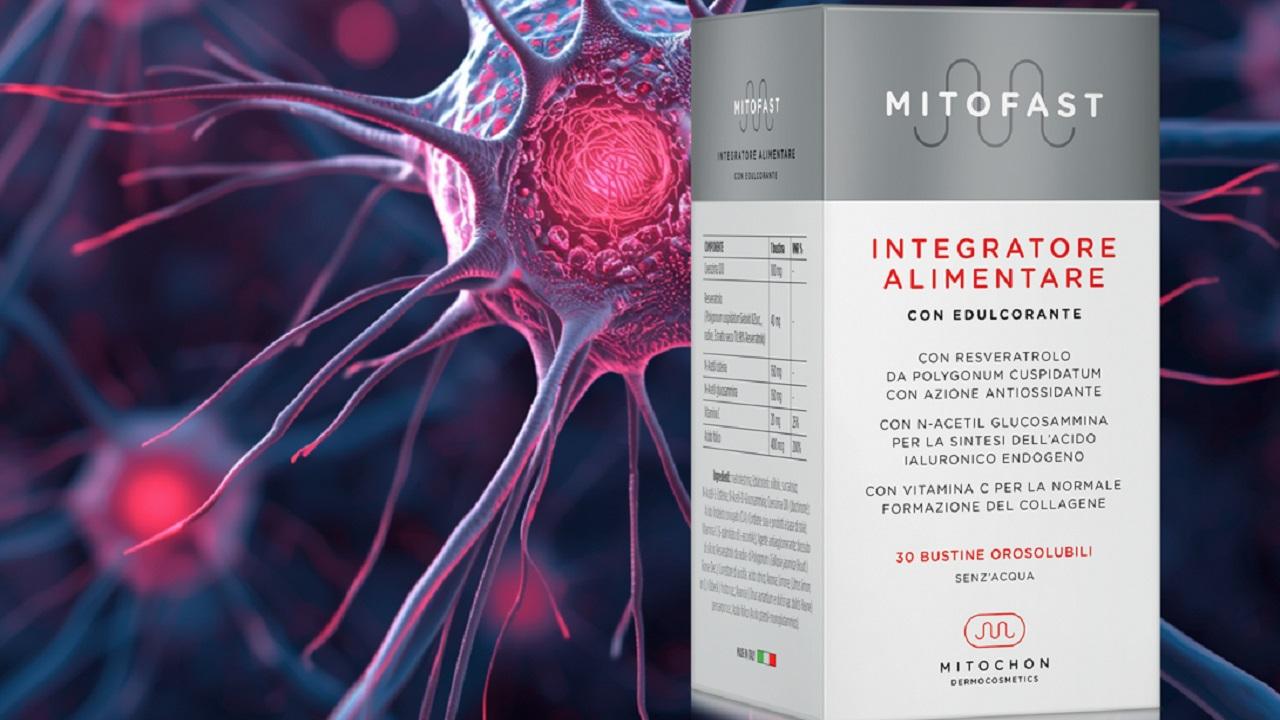

I mitocondri sono microscopici organelli presenti nelle cellule di tutti gli esseri viventi.
Producono la maggioranza dell’energia necessaria alle funzioni cellulari, oltre ad essere coinvolti in molteplici meccanismi necessari per il benessere del nostro organismo.
Ad aprile 2026, la rivista Neural Regeneration Research ha confermato ed approfondito le attuali conoscenze, ed valore clinico degli interventi per proteggere l’integrità dei mitocondri e, di conseguenza, la buona funzionalità cellulare e la salute generale (1).
Strategie generali per proteggere i mitocondri
Secondo la più recenti ricerche, esercizio fisico, integrazione mirata, controllo dell’apporto calorico giornaliero, digiuno intermittente ecc., sono le strategie vincenti migliorare la performance dei mitocondri, per rallentare l’invecchiamento, migliorare la performance cognitiva e ridurre il rischio di malattie croniche (1).
I mitocondri sono particolarmente sensibili agli agenti stressanti (inquinanti, raggi UV, fumo ecc.), che possono danneggiare il DNA e scatenare vari meccanismi causa di neuroinfiammazione, reazioni immunitarie e di altre alterazioni, lesive per i neuroni (1, 2, 3).
Tutto questo aumenta il rischio d’insorgenza del decadimento cognitivo ed Alzheimer (1-5); morbo di Parkinson (1-8); sclerosi laterale amiotrofica (1-10).
Si aggiungono inoltre altri fenomeni dovuti al trascorrere degli anni, al precoce invecchiamento biologico, ed alla predisposizione genetica (1, 2, 11-25).
L’accelerazione dell’invecchiamento biologico, ad esempio, risulta maggiormente accentuata nelle persone che conducono stili di vita poco salutari, es.: alimentazione pro-infiammatoria, fumo, alcol, sedentarietà ecc. (26, 27).
L’invecchiamento precoce è a sua volta sostenuto dalla presenza di malattie, es.: cardiache, renali, diabete, post-ictus, depressione, disturbi del sonno ecc. (28-30), ma anche dall’eccesso di grasso corporeo (31), un’ulteriore causa di infiammazione cronica sistemica (32).
Anche i disturbi infiammatori della pelle possono propagarsi a livello sistemico, innescare alterazioni immunitarie, ridurre la produzione cutanea di importanti fattori necessari al mantenimento delle attività cerebrali (33-36).
Questi fenomeni possono essere aggravati dall’esposizione dell’organismo a fattori esterni all’organismo: microplastiche (37), abitudine al fumo e consumo di alcol (38, 39, 40), inquinanti ambientali (41-44), metalli pesanti, pesticidi (45), causa di danni diretti ai mitocondri ed altre strutture cellulari, inclusi i neuroni (45-52).
Inoltre, le sollecitazioni esterne, aumentano l’ossido-infiammazione, ed indeboliscono le difese antiossidanti del nostro organismo (59-63). Si tratta di un declino causato anche da un insufficiente introito di antiossidanti di origine alimentare che, come noto, è associato anche ad una ridotta cognitività (64, 65).
Viceversa l’adeguato consumo di antiossidanti dimostra effetti protettivi, come emerge da un’indagine svolta su circa 20.000 soggetti della National Health and Nutrition Examination Survey (NHANES) e confermata da altre ricerche pubblicate nel 2025 (64, 65).
Pertanto, risulta prioritario l’apporto di vitamine del gruppo B, vitamina C, E e D, coenzima Q10, omega 3, polifenoli ecc., in gran parte dotate di effetti antiossido-infiammatori, utili per l’omeostasi dei mitocondri e per la neuroprotezione (64-70).
Come noto vari fattori possono esporre al rischio di un’insufficiente assunzione di questi micronutrienti, di un aumentato fabbisogno, di un ridotto assorbimento (71, 72).
Molti altri fattori possono incidere sull’integrità dei mitocondri, ed aumentare il rischio di una ridotta performance cognitiva.
Ne sono un esempio gli alti livelli ematici di omocisteina (73-85) (Nota 1), contrastabili con un adeguato apporto alimentare e /o nutraceutico di vitamine B6, B12, e di folati / acido folico (86-93).
Queste vitamine dimostrano benefici anche contro la demenza vascolare (94-97).
L’acido folico, ad esempio, riducesignificativamente il rischio di malattie cerebrovascolari e dell’ictus, attraverso la normalizzazione del profilo lipidico, oltre a svolgere attività antiossidanti / antinfiammatorie (98).
Il coenzima Q10 e resveratrolo attenuano i processi patogenetici dell’aterosclerosi, attraverso la riattivazione dei mitocondri (99, 100).
Queste molecole combatto ulteriori meccanismi deleteri per la vita cellulare (101-110), dove risulta benefica anche la N-acetilcisteina (NAC) attraverso l’incremento dei livelli cellulari di glutatione (111-115).
I mitocondri risentono inoltre di particolari condizioni metaboliche ed ormonali, come nel caso della menopausa (116-123).
Per questo, già nel periodo riproduttivo, l’adeguato apporto di antiossidanti presenti negli alimenti e/o nutraceutici, e lo stile di vita, si confermano un intervento significativo per prevenire rallentare i fenomeni, che con il declino degli estrogeni tendono ad aggravarsi (124).
Il legame tra performance mitocondriale e cognitiva viene influenzato anche dall’equilibrio del microbiota intestinale (125-131), orale (129), e cutaneo (130).
Anche la letteratura 2026 conferma i benefici dei polifenoli, come il resveratrolo, sulla regolazione del microbiota intestinale (132-136).
La stabilizzazione della barriera e del microbiota intestinale è inoltre positivamente influenzata da adeguati livelli di vitamine (es.: B), polifenoli (es.: quercitina, resveratrolo), acidi grassi omega 3, probiotici, che vantano specifici contributi neuroprotettivi, contro la neuroinfiammazione e la performance cognitiva (137).
L’antiaging mitocondriale di Mitochon srl
I trattamenti centrati sui mitocondri sono da alcuni anni la modalità antiaging studiata dalla ricerca Mitochon srl https://www.mitochon.it/, ed utilizzata con successo per i propri cosmeceutici e nutraceutici contenenti coenzima Q10, resveratrolo, acido folico, vitamina C, N-acetilcisteina ecc. (1-10, 138-144).
L’integrazione selettiva delle vitamine e molecole bioattive dell’integratore orosolubile Mitofast® bit.ly/3VUlGkS,e quello liquido Mitofast B12 bit.ly/4d5ll4P, permette di compensare il frequente rischio di insufficiente apporto, il declino delle difese antiossidanti, oltre ad attenuare l’accelerazione dell’invecchiamento biologico e migliorare il benessere generale dell’organismo (71, 72, 140-150).
Nota 1(73, 90)
Fattori legati allo stile di vita come il consumo eccessivo di caffè ed alcol, l’abitudine al fumo e la mancanza di attività fisica possono influenzare il metabolismo dell'omocisteina, ed i suoi livelli plasmatici.
Di conseguenza, uno squilibrio nei livelli di omocisteina può portare all'iperomocisteinemia, una condizione caratterizzata da livelli elevati di omocisteina nel plasma, con valori normali da 5 a 15 µmol/L. I livelli elevati di omocisteinemia sono classificati come lievi (da 15 a 30 µmol/L), moderati (da 30 a 100 µmol/L) e gravi (superiori a 100 µmol/L).
Bibliografia
1. Zhou M, Zheng M, Liang S, Li M, Ma J, Zhang S, Song X, Hu Y, Lyu Y, Ou X, Yue C. Inherent potential of mitochondria-targeted interventions for chronic neurodegenerative diseases. Neural Regen Res. 2026 Apr 1;21(4):1409-1427. doi: 10.4103/NRR.NRR-D-24-01507.
2. Fang Z, Barbosa C, Marinho D, Peixoto R, Ferreira IL, Laranjinha J, Rego AC. Linking mitochondrial DNA release to neurodegeneration and cognitive decline. Ageing Res Rev. 2026 May;117:103062. doi: 10.1016/j.arr.2026.103062.
3. Nesci S. Mitochondrial Dysfunction in the Inflammatory Process of Neurodegenerative Diseases. Biomedicines. 2026; 14(3):682. https://doi.org/10.3390/biomedicines14030682
4. Zhang HX, Li HY. Mitochondrial dysfunction and programmed cell death in Alzheimer's disease: A retrospective bioinformatics study. Medicine (Baltimore). 2026 Mar 20;105(12):e48105. doi: 10.1097/MD.0000000000048105.
5. Dieter F, Jacobs K, Quentin A, Prvulovic D, Reif A, Pantel J, Pilatus U, Hattingen E, Matura S, Eckert GP. Mitochondrial dysfunction in peripheral mononuclear blood cells (PBMC) of individuals with mild cognitive impairment. Geroscience. 2026 Apr;48(2):2887-2901. doi: 10.1007/s11357-025-01813-4.
6. Liu T, Li J, Wu H, Qiao J, Wei J. Unraveling Parkinson's disease: The mystery of mitochondria and the role of aging. Genes Dis. 2025 Jun 10;13(2):101719. doi: 10.1016/j.gendis.2025.101719.
7. Zhang S, Wang T, Peng Y, Wang Q, Zhang Z, Chu S, Huang H, Chen N. Parkinson's disease: pathogenesis and therapeutic strategies. Mol Biomed. 2026 Apr 8;7(1):46. doi: 10.1186/s43556-026-00445-0.
8. Yordanov Y, Stefanova D, Kondeva-Burdina M, Tzankova V. Sources of Oxidative Stress in Parkinson’s Disease: Pathways and Therapeutic Implications. Antioxidants. 2026; 15(2):187. https://doi.org/10.3390/antiox15020187
9. Tahedl M, Siah WF, Karavasilis E, Hengeveld JC, Doherty MA, McLaughlin RL, Hardiman O, Tan EL, Christidi F, Kleinerova J, Bede P. Anatomical Associations Between Focal Mitochondrial Metabolism and Patterns of Neurodegeneration in Amyotrophic Lateral Sclerosis. Ann Neurol. 2026 Mar;99(3):614-628. doi: 10.1002/ana.78099.
10. Silva-Hucha S, Hernández RG, Baena-López D, Fernández de Sevilla ME, Paradas C, Morcuende S. Excitotoxicity in amyotrophic lateral sclerosis: a key pathogenic mechanism. Brain Commun. 2026 Mar 20;8(2):fcag098. doi: 10.1093/braincomms/fcag098.
11. Mareckova K, Mendes-Silva AP, Mareček R, Jordánek T, Pačínková A, Klánová J, Gonçalves VF, Nikolova YS. Functional Impact Score of Mitochondrial Variants and Its Relationship With Functional Connectivity of the Brain: Potential Origins of Premature Aging in Young Adulthood. Hum Brain Mapp. 2026 Jan;47(1):e70447. doi: 10.1002/hbm.70447.
12. Abo Qoura L, Churov AV, Maltseva ON, Arbatskiy MS, Tkacheva ON. The aging interactome: From cellular dysregulation to therapeutic frontiers in age-related diseases. Biochim Biophys Acta Mol Basis Dis. 2026 Jan;1872(1):168060. doi: 10.1016/j.bbadis.2025.168060.
13. Zhou R, Lin X, Liao Z, Lin J, Zheng R, Ni H, Liu W, Feng Z, He Q, Lin X, Tang C, Song J, Ning W. Decoding senescent drivers in Alzheimer's disease: From bench to bedside. Ageing Res Rev. 2026 Jan;114:102978. doi: 10.1016/j.arr.2025.102978.
14. Some A, Naskar N, Thomas DM, Jeengar MK, Nassar A. Senescence as a Central Node in Alzheimer's Disease: Molecular Triggers, Cellular Effectors, and RNA-Based Interventions. Neurochem Res. 2026 Mar 23;51(2):116. doi: 10.1007/s11064-026-04737-3.
15. Doshi PP, Desale SH, Khutale AA, Sabarathinam S, Suresh S. Evaluating senescence-targeted approaches in Alzheimer's Disease: What we know and what lies ahead. Ageing Res Rev. 2026 Mar;115:103029. doi: 10.1016/j.arr.2026.103029.
16. Fan T, Peng J, Liang H, Chen W, Wang J, Xu R. Potential common pathogenesis of several neurodegenerative diseases. Neural Regen Res. 2026 Mar 1;21(3):972-988. doi: 10.4103/NRR.NRR-D-24-01054.
17. Bej E, Cesare P, d’Angelo M, Volpe AR, Castelli V. Neuronal Cell Rearrangement During Aging: Antioxidant Compounds as a Potential Therapeutic Approach. Cells. 2024; 13(23):1945. https://doi.org/10.3390/cells13231945
18. Waghmare A, Rahangdale S, Khare K, Taksande B, Umekar M, Mangrulkar S. Interweaving microglial senescence and gut microbiome dynamics in Alzheimer's disease - Mechanisms and therapeutic frontiers. Mol Cell Neurosci. 2026 Mar;136:104075. doi: 10.1016/j.mcn.2026.104075.
19. Li LH, Huang Y, Wang XX, Xu CC, Wu L, He KL, Han DX, Chang Z, Wang JQ, Ma RJ. Epigenetic regulators polyphenols in neurodegenerative diseases: a promising intervention strategy. Ann Med. 2026 Dec;58(1):2634566. doi: 10.1080/07853890.2026.2634566.
20. Gupta G, Ali H, Singh SK, Dua K, Jha SK. Exploring the causal relationship between telomere regulation, aging and neurological disorders. Ageing Res Rev. 2026 Jan;113:102930. doi: 10.1016/j.arr.2025.102930.
21. Pessoa B, Hayashide LS, Dias G, Pontes B, Pinto RS, Diniz LP. Senescent Astrocytes: A New Player in Brain Aging and Cognitive Decline. Brain Sci. 2026 Jan 6;16(1):76. doi: 10.3390/brainsci16010076.
22. Nguyen S, Lu AT, Horvath S, Espeland MA, Rapp SR, Maihofer AX, Nievergelt CM, LaCroix AZ, McEvoy LK, Resnick SM, Beckman K, Shadyab AH. Epigenetic Clocks of Biological Aging and Risk of Incident Mild Cognitive Impairment and Dementia: The Women's Health Initiative Memory Study. Aging Cell. 2026 Mar;25(3):e70424. doi: 10.1111/acel.70424.
23. Chang J, Liu T, Cheng X, Wei J. How molecular mechanisms of aging drive Alzheimer's disease pathology. Cell Signal. 2026 Jun;142:112426. doi: 10.1016/j.cellsig.2026.112426.
24. Valenzuela PL, Sánchez-Sánchez JL, Bensadoun P, Lemaître JM, Vellas B, Sourdet S, de Souto Barreto P. Cross-sectional associations of epigenetic clocks with intrinsic capacity and functional ability in older adults with frailty and cognitive impairment: the COGFRAIL study. Geroscience. 2026 Feb;48(1):973-984. doi: 10.1007/s11357-025-01698-3.
25. Zheng X, Han W, Li Y, Jiang M, Ren X, Yang P, Jia Y, Sun L, Wang R, Shi M, Zhu Z, Zhang Y. Associations of accelerated biological ageing with incident dementia, cognitive functions and brain structure: a prospective cohort study based on UK Biobank. Stroke Vasc Neurol. 2026 Mar 4;11(1):58-68. doi: 10.1136/svn-2024-003690.
26. Ma T, Chen X, Zhao Q, Xu X, Zhang X, Liu X, Zhuoma D, Hu M, Yan H, Lin L, Jiang K, Dui X, Zhao X, Wu X, Xiao J, Jiang X, Zhang T, Fan M, Long L, Deng Y, Liao J, Li J. Interplay of accelerated biological aging, lifestyle factors, and genetic susceptibility in cognitive function: a community study. J Gerontol A Biol Sci Med Sci. 2026 Feb 5;81(3):glaf277. doi: 10.1093/gerona/glaf277.
27. Dunk MM, Huang H, Wang J, Dove A, Sakakibara S, Guo J, Carballo-Casla A, Bennett DA, Xu W. The association between a pro-inflammatory diet and brain age in middle-aged and older adults. Eur J Epidemiol. 2026 Jan;41(1):39-50. doi: 10.1007/s10654-025-01318-6.
28. Wang, Y., Xiao, S., Liu, B. et al. Organ-specific proteomic aging clocks predict disease and longevity across diverse populations. Nat Aging 6, 162–180 (2026). https://doi.org/10.1038/s43587-025-01016-8
29. Diniz BS, Zhao S, Drouard G, Vuoksimaa E, Ollikainen M, Lenze EJ, Xu M, Fortinsky RH, Kuchel GA, Kaprio J, Kuo CL. Biological Aging Acceleration in Major Depressive Disorder: A Multi-Omics Analysis. Aging Cell. 2026 Jan;25(1):e70310. doi: 10.1111/acel.70310. Epub 2025 Dec 4.
30. Sasidharan Nair V, Plazzi G, Tucci V. Neuroimmune interactions in sleep regulation: Epigenetic interfaces between microglia and T cells in brain homeostasis and dysfunction. Sleep Med Rev. 2026 Mar 27;87:102283. doi: 10.1016/j.smrv.2026.102283.
31. Yu M, Yao L, Shahi S, Xu Y, Li M, Zheng Q, Ma D, Zhang Q, Wang D, Wu Y, Zhou X, Ge H, Hu C, Deng Y, Liu K. Association of Body Fat Distribution Patterns at MRI with Brain Structure, Cognition, and Neurologic Diseases. Radiology. 2026 Jan;318(1):e252610. doi: 10.1148/radiol.252610.
32. Wang Y, Tian N, Du Y, Qiu C. Lipid accumulation product index, serum inflammatory cytokines, and dementia in rural older adults: A population-based study. J Alzheimers Dis. 2026 Mar 13:13872877261427765. doi: 10.1177/13872877261427765.
33. Yoon KN, Chung JH. Healthy skin, Healthy brain. J Dermatol Sci. 2025 Aug;119(2):47-52. doi: https://doi.org/10.1016/ j.jdermsci.2025.06.001i
34. Mini-Review Salute della pelle neuroprotezione / Vitamina B12-acido folico 2025 https://www.mitochon.it/notizie-flash-2025/?v=0d149b90e739
35. Zhang L, Li L, Wang X, Ma L, Yan L, Xiang Q, Cui Y, Liu Z. Neuroinflammation and Cellular Senescence in Brain Aging and Neurodegeneration. Aging Dis. 2026 Feb 10. doi: 10.14336/AD.2025.1538.
36. Chung YE, Chung RH, Hsu CC, Liu YL, Lai RH, Hung WJ, Wu RC, Jiang YJ, Chuang SY, Tsai SF, Kuo CC, Hsiung CA, Chen WJ. APOE ε4 and Accelerated Cognitive Decline Among Cognitively Healthy Middle-Aged and Older Adults. JAMA Netw Open. 2026 Mar 2;9(3):e260853. doi: 10.1001/jamanetworkopen.2026.0853.
37. Pavlovic D, Papic D, Janjic V, Mitrovic M, Dimitrijevic Stojanovic M, Gazdic Jankovic M. Nuclear and Mitochondrial Epigenetic Mechanisms Underlying Neurodegeneration and Gut-Brain Axis Dysregulation Induced by Micro- and Nanoplastics. Genes (Basel). 2026 Jan 28;17(2):151. doi: 10.3390/genes17020151. PMID: 41751535;
38. McEvoy LK, Zhang B, Nguyen S, Maihofer AX, Nievergelt CM, Casanova R, Horvath S, Lu AT, Davatzikos C, Erus G, Resnick SM, Espeland MA, Rapp S, Beckman K, Ferrucci L, LaCroix AZ, Shadyab AH. Association of epigenetic age acceleration with MRI biomarkers of aging and Alzheimer's disease neurodegeneration. Aging (Albany NY). 2026 Apr 7;18(1):303-326. doi: 10.18632/aging.206369.
39. Mini-Review Fumo di tabacco - e-cig - HTPs aging 2026 https://www.mitochon.it/sigarette-tradizionali-tabacco-riscaldato-ed-e-cig-novita-sullaccelerazione-dellinvecchiamento-epigenetico-e-biologico-danni-cutanei-e-sistemici/?v=0d149b90e739
40. Mini-Review Consumo alcol invecchiamento biologico 2026 https://www.mitochon.it/consumo-di-alcol-nuove-evidenze-su-accelerazione-dellinvecchiamento-biologico-danni-cutanei-e-sistemici/?v=0d149b90e739
41. Kim B, Blam K, Elser H, et al. Ambient Air Pollution and the Severity of Alzheimer Disease Neuropathology. JAMA Neurol. 2025;82(11):1153–1161. doi:10.1001/jamaneurol.2025.3316
42. Rong J, Liu S, Cai J, Mo X, Wang Y, Liang Y, Liu Q, Zhao L, Zhang T, Luo L, Teng K, Guan Q, Wu S, Jin W, Ye Z, Li Y, Gao X, Qin J, Zhang Z. Short-Term PM2.5 Exposure Impairs Cognitive Function and the DNA Methylation Signatures of Circadian Rhythm Genes. Environ Sci Technol. 2026 Apr 14. doi: 10.1021/acs.est.5c14013.
43. Geto AK, Feleke SF, Yimer A, Kidie AA, Tesfa NA, Mislu E, Yesuf HA, Hailu M, Ayal BG. The association between air pollution and cognitive impairment: a systematic review and meta- analysis of global studies. BMC Public Health. 2025 Oct 21;25(1):3548. doi: 10.1186/s12889-025-24560-9.
44. Faherty, T., Ellis-Bradford, LJ.A., Onyeaka, H. et al. Reframing air pollution as a cognitive and socioeconomic risk. npj Clean Air 2, 18 (2026). https://doi.org/10.1038/s44407-026-00059-4
45. Gonzalez Acevedo MK, Powers M, Cucullo L. Oxidative Stress, Environmental Pollutants, Aging, and Epigenetic Regulation: Mechanistic Insights and Biomarker Advances. Antioxidants. 2026; 15(4):494. https://doi.org/10.3390/antiox15040494
46. Shimoda N. From research to clinical practice: DNA methylation signatures as diagnostic tools for Alzheimer's disease. Epigenomics. 2026 Feb 23:1-8. doi: 10.1080/17501911.2026.2635932.
47. Kumar V, Shukla R, Gangani S, Joseph R, Jain S, Yadav H. Epigenetics and the gut-brain axis: Insights into DNA methylation, aging, and Alzheimer disease. J Pharmacol Exp Ther. 2026 Feb 12;393(4):104299. doi: 10.1016/j.jpet.2026.104299.
48. Oatman SR, Reddy JS, Atashgaran A, Wang X, Min Y, Quicksall Z, Vanelderen F, Carrasquillo MM, Liu CC, Yamazaki Y, Nguyen TT, Heckman M, Zhao N, DeTure M, Murray ME, Bu G, Kanekiyo T, Dickson DW, Allen M, Ertekin-Taner N. Integrative epigenomic landscape of Alzheimer's Disease brains reveals oligodendrocyte molecular perturbations associated with tau. Nat Commun. 2026 Mar 3;17(1):2116. doi: 10.1038/s41467-026-68864-9.
49. Rizzo B, Rossi M, Ferrari RR, Pellegrini E, Dragoni F, Di Gerlando R, Minucchi E, Guaita A, Poloni TE, Gagliardi S, Davin A. Longitudinal Analysis of Mitochondrial D-Loop Methylation and Copy Number in Peripheral Blood: Epigenetic Signatures of Alzheimer's Disease Progression and Aging. Int J Mol Sci. 2026 Feb 2;27(3):1477. doi: 10.3390/ijms27031477.
50. Silva-Martínez GA, Cervantes-Montelongo JA, Tristán-Flores FE and de la Rocha C (2026) DNA methylation and the APP gene: dietary influences in the context of Alzheimer’s disease—a mini review. Front. Nutr. 12:1716675. doi: 10.3389/fnut.2025.1716675
51. Liu, F.; Ran, Q.; Zhang, H.; Chen, J. The Systemic Immune-Inflammation Index and the Risk of Parkinson’s Disease in the U.S.: A Cross-Sectional Study. J. Clin. Med. 2025, 14, 403. https://doi.org/10.3390/jcm14020403
52. Xu, X., Pang, Y. & Fan, X. Mitochondria in oxidative stress, inflammation and aging: from mechanisms to therapeutic advances. Sig Transduct Target Ther 10, 190 (2025). https://doi.org/10.1038/s41392-025-02253-4
53. Ozkaya AL, Gürbüzer N, Mercantepe F, Klisic A. Intelectin-1 and systemic inflammation indices as potential biomarkers in alzheimer's disease. Metab Brain Dis. 2026 Jan 3;41(1):13. doi: 10.1007/s11011-025-01776-7.
54. Kong Y, Zhong J, Wang T, Zhang D. Association Between Dietary Biotin Intake and Dementia Risk, Including Alzheimer's Disease: A Prospective Study of 122 959 UK Biobank Participants. Mol Nutr Food Res. 2025 Nov;69(22):e70252. doi: 10.1002/mnfr.70252.
55. Liu Q, Li Z, Huang L, Zhou D, Fu J, Duan H, Wang Z, Yang T, Zhao J, Li W, Liu H, Ma F, Sun C, Wang G, Du Y, Zhang M, Chen Y, Huang G. Telomere and mitochondria mediated the association between dietary inflammatory index and mild cognitive impairment: A prospective cohort study. Immun Ageing. 2023 Jan 5;20(1):1. doi: 10.1186/s12979-022-00326-4.
56. Zheng Y, Yu Y, Gao L, Yu M, Jiang L, Zhu Q. Association of red blood cell count, hemoglobin concentration, and inflammatory indices with cognitive impairment severity in Alzheimer's disease. Sci Rep. 2025 May 20;15(1):17425. doi: 10.1038/s41598-025-02468-z.
57. Huang C, Lu C, Liu S, Dai F, Mahmut D, Gao H, Ji Y, Zhang B. HALP, PIV, and SII as novel composite inflammatory indices for early detection and severity assessment of Alzheimer's disease. Front Aging Neurosci. 2025 Dec 15;17:1711176. doi: 10.3389/fnagi.2025.1711176.
58. Algul FE, Kaplan Y. Increased Systemic Immune-Inflammation Index as a Novel Indicator of Alzheimer's Disease Severity. J Geriatr Psychiatry Neurol. 2025 May;38(3):214-222. doi: 10.1177/08919887241280880.
59. Chong ZZ, Souayah N. Oxidative Stress: Pathological Driver in Chronic Neurodegenerative Diseases. Antioxidants. 2025; 14(6):696. https://doi.org/10.3390/antiox14060696
60. Trofin D-M, Sardaru D-P, Trofin D, Onu I, Tutu A, Onu A, Onită C, Galaction AI, Matei DV. Oxidative Stress in Brain Function. Antioxidants. 2025; 14(3):297. https://doi.org/10.3390/antiox14030297
61. Lee KH, Kim UJ, Lee BH, Cha M. Safeguarding the brain from oxidative damage. Free Radic Biol Med. 2025 Jan;226:143-157. doi: 10.1016/j.freeradbiomed.2024.11.019.
62. Mini-Review Glutathione e N-acetilcisteina nelle strategie antiaging 2026 https://www.mitochon.it/glutatione-e-n-acetilcisteina-nelle-strategie-antiaging/?v=0d149b90e739
63. Mini-Review Peakspan: una nuova dimensione dell’invecchiamento 2026 https://www.mitochon.it/peakspan-una-nuova-dimensionedellinvecchiamento/?v=0d149b90e739
64. Qian Y, Liu Q and Li T (2025) Association between composite dietary antioxidant index and cognitive function impairment in the elderly: evidence from NHANES 2011–2014. Front. Neurol. 16:1529989. doi: 10.3389/fneur.2025.1529989
65. Nagpal, D.; Nema, S.; Nagpal, S.; Pandey, M.M.; Kaushik, D.; Kathuria, H. Management and Prevention of Neurodegenerative Disorders: Can Antioxidant-Rich Dietary Interventions Help? Antioxidants 2025, 14, 1078. https://doi.org/10.3390/antiox14091078
66. Kwaśniewska K, Fic W, Polak-Szczybyło E. Vitamins as Modulators of Neurodegenerative Disease Pathways: Mechanisms and Therapeutic Perspectives. Nutrients. 2026; 18(6):995. https://doi.org/10.3390/nu18060995 https://www.mdpi.com/2072-6643/18/6/995
67. Saadh MJ, Nazar Saeed T, Fawzi Al-Hussainy A, Kyada A, Ballal S, Kundlas M, Sabarivani A, Rizaev J, Ghalib Taher S, Alwan M, Jawad M, Mushtaq H. Mechanistic insights into ubiquinone Q10 in Parkinson's disease: mitochondrial protection, ferroptosis inhibition, and antioxidant recycling. Arch Physiol Biochem. 2026 Feb;132(1):134-150. doi: 10.1080/13813455.2025.2541698.
68. Shtilbans A. Combination Supplement Therapy: A New Frontier in Treatment of Neurodegenerative Diseases. J Nutr. 2025 Jul 15:S0022-3166(25)00427-4. doi: 10.1016/j.tjnut.2025.07.004.
69. Nankivell MC, Rosenfeldt F, Pipingas A, Pase MP, Reddan JM, Stough C. Coenzyme Q10 and Cognition: A Review. Nutrients. 2025 Sep 8;17(17):2896. doi: 10.3390/nu17172896.
70. Zhang Y, Ren Y, Zhu X, Liu T, Han R, Fang Y, Zhao Z, Mao F, Wang Y, Li X, Li X. Research Progress on Idebenone in Neurodegenerative Diseases. Aging Med (Milton). 2025 Nov 18;8(6):624-633. doi: 10.1002/agm2.70047.
71. Mini-Review Motivi per l’Integrazione Mirata 2024 https://www.mitochon.it/4-motivi-1-per-utilizzare-lintegrazione-mirata-contro-linvecchiamento-cutaneo-e-sistemico/
72. Mini-Review studio pilota Mitofast 2024 https://www.mitochon.it/mitofast-nuovi-ed-importanti-risultati-da-uno-studio-clinico-preliminare/
73. Agostini D, Bartolacci A, Rotondo R, De Pandis MF, Battistelli M, Micucci M, Potenza L, Polidori E, Ferrini F, Sisti D, et al. Homocysteine, Nutrition, and Gut Microbiota: A Comprehensive Review of Current Evidence and Insights. Nutrients. 2025; 17(8):1325. https://doi.org/10.3390/nu17081325
74. Chai G, Mao Y, Gong J, Bi S, Zhang Y, Wu J, Yang L, Gao T, Fu H, Yu C, Ren C, Zhang G, Zhu X, Guan X, Yu H, Tang C, Nie Y, Yu H. Homocysteine interferes with Ndufa1 leading to mitochondrial dysfunction through repression of the NAD+/Sirt1 pathway in the brain: a possible link between hyperhomocysteinemia and neurodegeneration. Cell Death Dis. 2025 Jul 7;16(1):499. doi: 10.1038/s41419-025-07834-3.
75. Cecchini MS, Bourckhardt GF, de Melo MS, Nazari EM. Hyperhomocysteinemia Induced Mitochondrial Dysfunction Disrupting the Eye Development. Neurotox Res. 2025 Oct 20;43(6):43. doi: 10.1007/s12640-025-00767-x.
76. Babbarwal A, Singh M, Sen U, Tyagi M, Tyagi SC. Kidney Stone Disease: Epigenetic Dysregulation in Homocystinuria and Mitochondrial Sulfur Trans-Sulfuration Ablation Driven by COVID-19 Pathophysiology. Biomolecules. 2025 Aug 14;15(8):1163. doi: 10.3390/biom15081163.
77. Malaviya P, Kowluru RA. Homocysteine and mitochondrial quality control in diabetic retinopathy. Eye Vis (Lond). 2024 Jan 16;11(1):5. doi: 10.1186/s40662-023-00362-1.
78. Malaviya P, Kowluru RA. Diabetic Retinopathy and Regulation of Mitochondrial Glutathione-Glutathione Peroxidase Axis in Hyperhomocysteinemia. Antioxidants (Basel). 2024 Feb 20;13(3):254. doi: 10.3390/antiox13030254.
79. Li H, Chen Y, Wang Z, Wang Y, Bi R, Hou J, Chen H, Zhang Z, Guo Z, Chen Z, Cui H, Li S. Accelerated epigenetic aging as a modifier of homocysteine-associated cognitive decline: Findings from NHANES. Alzheimers Dement. 2026 Apr;22(4):e71349. doi: 10.1002/alz.71349.
80. Saija C, Currò M, Ientile R, Caccamo D, Bertuccio MP. Impact of Alterations in Homocysteine, Asymmetric Dimethylarginine and Vitamins-Related Pathways in Some Neurodegenerative Diseases: A Narrative Review. International Journal of Molecular Sciences. 2025; 26(8):3672. https://doi.org/10.3390/ijms26083672
81. Holmes HE, Valentin RE, Jernerén F, de Jager Loots CA, Refsum H, Smith AD, Guarente L, Dellinger RW, Sampson D; Alzheimer's Disease Neuroimaging Initiative. Elevated homocysteine is associated with increased rates of epigenetic aging in a population with mild cognitive impairment. Aging Cell. 2024 Oct;23(10):e14255. doi: 10.1111/acel.14255.
82. Alkaissi H, McFarlane SI. Hyperhomocysteinemia and Accelerated Aging: The Pathogenic Role of Increased Homocysteine in Atherosclerosis, Osteoporosis, and Neurodegeneration. Cureus. 2023 Jul 21;15(7):e42259. doi: 10.7759/cureus.42259. - Miller JW, McCaddon A, Yu JT, Hooshmand B, Refsum H, Smith AD. Concerning the debate about homocysteine, B vitamins, and dementia. J Alzheimers Dis. 2025 Aug;106(3):920-924. doi: 10.1177/13872877251350297.
83. Decaix T, Lilamand M, Götze K, Mouton-Liger F, Cognat E, Hugon J, Bouaziz-Amar E, Sindzingre L, Dumurgier J, Paquet C. Unraveling Homocysteine's Role in Dementia: No Specific Association with Alzheimer's Disease, but a Connection to White Matter Hyperintensities. Aging Dis. 2025 Mar 5;17(2):1084-1093. doi: 10.14336/AD.225.0020.
84. Ramires Júnior OV, Prauchner GRK, Rieder AS, Leite AKO, Farias CP, Wyse ATS. Uncovering Hyperhomocysteinemia: Global Risk Patterns and Molecular Disruption in Brain and Vascular Health. J Neurochem. 2025 Dec;169(12):e70327. doi: 10.1111/jnc.70327.
85. Higgins Tejera C, Zhu P, Ware EB, Hicken MT, Zawistowski M, Kobayashi LC, Seblova D, Manly J, Mukherjee B, Bakulski KM. DNA methylation age acceleration mediates the relationship between systemic inflammation and cognitive impairment. Epigenomics. 2025 Dec;17(18):1399-1409. doi: 10.1080/17501911.2025.2595905.
86. Kacerova T, Yates AG, Dai J, Shepherd D, Pires E, de Jel S, Gong Q, Schiffer E, Jernerén F, Olsen T, De Jager Loots CA, Refsum H, Smith AD, McCullagh JSO, Anthony DC, Probert F. Role of B vitamins in modulating homocysteine and metabolic pathways linked to brain atrophy: Metabolomics insights from the VITACOG trial. Alzheimers Dement. 2025 Jul;21(7):e70521. doi: 10.1002/alz.70521.
87. Zhang C, Hu Y, Cao X, Deng Y, Wang Y, Guan M, Wu X, Jiang H. Lower water-soluble vitamins and higher homocysteine are associated with neurodegenerative diseases. Sci Rep. 2025 May 29;15(1):18866. doi: 10.1038/s41598-025-03859-y.
88. Zainuddin MS, Ghanesh K, Ganesan N, Kumari M, Radhakrishnan AK, Bhuvanendran S. Epigenetic modulations and nutrient interactions in Alzheimer's disease: unveiling potential therapeutic pathways. Nutr Neurosci. 2025 Dec;28(12): 1488-1510. doi: 10.1080/1028415X.2025.2526155.89. Khate K, Chaudhary V, Bhattacharjee D, Kaushik A, Walia GK, Babu N, Saraswathy KN, Devi NK. Global DNA Methylation and Cognitive Impairment: A Population-Based Study from Haryana, North India. Indian J Clin Biochem. 2025 Oct;40(4):651-659. doi: 10.1007/s12291-024-01205-z.
90. Abbasi H, Allogmanny S, Khoshdooz S, Asgarzade A, Probst Y. Exploring the Link of Serum Vitamin B12, Folate, and Homocysteine Concentrations in Individuals with Multiple Sclerosis: An Umbrella Meta-analysis of Case-control Studies. Neuroscience. 2025 Sep 13;583:179-186. doi: 10.1016/j.neuroscience.2025.07.046.
91. Bozack AK, Khodasevich D, Nwanaji-Enwerem JC, Gladish N, Shen H, Daredia S, Gamble M, Needham BL, Rehkopf DH, Cardenas A. One-carbon metabolism-related compounds are associated with epigenetic aging biomarkers: results from the cross- sectional National Health and Nutrition Examination Survey 1999-2002. Am J Clin Nutr. 2025 Aug;122(2):413-423. doi: 10.1016/j.ajcnut.2025.05.029.
92. Simonenko SY, Bogdanova DA, Kuldyushev NA. Emerging Roles of Vitamin B12 in Aging and Inflammation. Int J Mol Sci. 2024 May 6;25(9): 5044. doi: 10.3390/ijms25095044.93. Ma Z, An M, Gong W, Chen X, Liang M, Zhang J, Du X, Lu F, He Q, Wang M, Zhong J, Sun C. Non-linear association between serum levels of vitamins A and B12 and accelerated epigenetic aging. Front Nutr. 2025 Jul 28;12:1599205. doi: 10.3389/fnut.2025.1599205.
94. Ihuoma J, Milan M, Negri S, Troyano-Rodriguez E, Rudraboina R, Kosmider A, Awasthi S, Csiszar A, Ungvari Z, Yabluchanskiy A, Balasubramanian P, Tarantini S. LDL oxidation and cerebrovascular aging: mechanisms of endothelial dysfunction, inflammation, and vascular cognitive impairment and dementia. Redox Biol. 2026 Mar 10;92:104118. doi: 10.1016/j.redox.2026.104118.
95. Gong Z, Chen Z, Sang S, Yang L, Qin H, Li Q, Jia Y. Mitochondrial DNA 6 mA methylation by METTL4 drives neuroinflammation via cGAS-STING activation in vascular cognitive impairment. Free Radic Biol Med. 2026 Mar 16;246:1-16. doi: 10.1016/j.freeradbiomed.2026.01.019.
96. Liu C, Li F, Qiao L, Kai B, Wang Z, Zheng N, Wang S, Gao Y. Molecular pathways in vascular cognitive impairment and dementia: focus on synaptic plasticity and epigenetic modifications. Front Aging Neurosci. 2026 Jan 22;18:1741558. doi: 10.3389/fnagi.2026.1741558.
97. Chauhan R, Lidoo K, Jyoti U, Singh TG, Devi S. Decoding the gut microbiota-mitochondrial-inflammasome axis in cardiovascular disease. Mol Cell Biochem. 2026 Mar;481(3):1081-1101. doi: 10.1007/s11010-025-05451-4.
98. Federica Fogacci, Carmine Pizzi, Luca Bergamaschi, Valentina Di Micoli, Arrigo F.G. Cicero, Folic acid and plasma lipids: Interactions and effect of folate supplementation, Current Problems in Cardiology, Volume 49, Issue 6, 2024, https://doi.org/10.1016/j.cpcardiol.2024.102539.
99. Glogowski PA, Fogacci F, Algieri C, Cugliari A, Trombetti F, Nesci S, Cicero AFG. Reprogramming the Mitochondrion in Atherosclerosis: Targets for Vascular Protection. Antioxidants. 2025; 14(12):1462. https://doi.org/10.3390/antiox14121462
100. Chaarani N, Mroweh R, Moghnieh R, Kheir Chahine M, Zaiter H, Abdulaal SY, Obeid N, Tlais M, Raheb J, Farhat H, Abdulaal R. Unconventional mechanisms of resveratrol in atherosclerosis prevention and management. World J Exp Med. 2026 Mar 20;16(1):116771. doi: 10.5493/wjem.v16.i1.116771.
101. Cui Y, Zhu P, Jiang M. Ferroptosis in Vascular Diseases: A Mechanistic and Immunological Perspective on Therapeutic Targeting. Antioxidants. 2026; 15(4):502. https://doi.org/10.3390/antiox15040502
102. Zhang, Y., Liu, M., Li, M. et al. Organelle-specific regulation of ferroptosis. Biol Direct 21, 12 (2026). https://doi.org/10.1186/s13062-025-00717-9
103. Fei Y, Leng Q. Research Progress of Ferroptosis in Cerebral Infarction. Brain Behav. 2026 Jan;16(1):e71192. doi: 10.1002/brb3.71192.
104. Zhou J, Shi W, Jiang Y, Yue R. Mechanisms and therapeutic strategies of ferroptosis in Diabetic-Associated Cognitive Dysfunction: focus on the crosstalk with apoptosis, autophagy, and pyroptosis. Mol Biol Rep. 2026 Jan 13;53(1):281. doi: 10.1007/s11033-026-11446-1.
105. Fang Y, Han Z, Yang S, Chen J, Li R, Zhang Z, Song J, Wang D, Ban Y. Ferroptosis and Alzheimer's disease: unraveling the molecular mechanisms and therapeutic opportunities. Front Cell Dev Biol. 2026 Jan 23;14:1758041. doi: 10.3389/fcell.2026.1758041.
106. Chen J, Shi Z, Chen Y, Xiong K, Wang Y, Zhang H. A CoQ10 analog ameliorates cognitive impairment and early brain injury after subarachnoid hemorrhage by regulating ferroptosis and neuroinflammation. Redox Biol. 2025 Jul;84:103684. doi: 10.1016/j.redox.2025.103684.
107. Mantle D. Coenzyme Q10 and Intracellular Signalling Pathways: Clinical Relevance. Int J Mol Sci. 2025 Nov 14;26(22):11024. doi: 10.3390/ijms262211024.
108. Zhou Z, Zhang Y, Liu S, Tang H, Yang L, Lu Y, Liao J, Zhang S, Chen Z, Yang L. Ferroptosis in Alzheimer's disease: molecular mechanisms and advances in therapeutic strategies. Front Neurosci. 2026 Jan 12;19:1673315. doi: 10.3389/fnins.2025.1673315.
109. Saadh MJ, Nazar Saeed T, Fawzi Al-Hussainy A, Kyada A, Ballal S, Kundlas M, Sabarivani A, Rizaev J, Ghalib Taher S, Alwan M, Jawad M, Mushtaq H. Mechanistic insights into ubiquinone Q10 in Parkinson's disease: mitochondrial protection, ferroptosis inhibition, and antioxidant recycling. Arch Physiol Biochem. 2026 Feb;132(1):134-150. doi: 10.1080/13813455.2025.2541698.
110. Wang Y, Zhang J, Wang Z, Ren Q, Li Z, Huang G, Li W. Folic Acid Ameliorates Neuronal Ferroptosis in Aging by Up-Regulating SLC7A11-GSH-GPX4 Antioxidant Pathway and Increasing Cystine Levels. Int J Mol Sci. 2025 Jul 11;26(14):6669. doi: 10.3390/ijms26146669.
111. Zeng H, Jin Z. The role of ferroptosis in Alzheimer's disease: Mechanisms and therapeutic potential (Review). Mol Med Rep. 2025 Jul;32(1):192. doi: 10.3892/mmr.2025.13557.
112. Zheng J, Zhang W, Ito J, Henkelmann B, Xu C, Mishima E, Conrad M. N-acetyl-l-cysteine averts ferroptosis by fostering glutathione peroxidase 4. Cell Chem Biol. 2025 May 15;32(5):767-775.e5. doi: 10.1016/j.chembiol.2025.04.002.
113. Yang, A.; Zhang, H.; Zhang, H.; Li, N.; Chen, C.; Yang, X.; Tian, J.; Sun, J.; Li, G.; Sun, Y.; et al. Pitavastatin and resveratrol bio-nanocomplexes against hyperhomocysteinemia-induced atherosclerosis via blocking ferroptosis-related lipid deposition. J. Control. Release 2025, 381, 113598.
114. Gupta P, Sharma A, Sachin, Sharma S, Sharma D. Phytoconstituents-mediated Targeting of Ferroptosis for the Treatment of Cardiovascular Disease. Curr Cardiol Rev. 2026;22(1):e1573403X370981. doi: 10.2174/011573403X370981250618074406.
115. Dos Santos AB, Santos-Terra J, Carletti JV, Deckmann I, Gottfried C. Molecular Alterations in Ferroptosis and the Effects of Resveratrol: A Systematic Review. J Biochem Mol Toxicol. 2025 Jul;39(7):e70384. doi: 10.1002/jbt.70384.
116. Hou Y, Long R, Sun Q, Zhang Y, Wang K. Longitudinal associations of sarcopenia and biological age acceleration with rate of cognitive decline. BMC Public Health. 2026 Jan 26;26(1):761. doi: 10.1186/s12889-026-26389-2.
117. Farhana F, Sultana MA, Hia RA, Hegde V. Postmenopausal sarcopenia and Alzheimer's disease: The interplay of mitochondria, insulin resistance, and myokines. Neurosci Biobehav Rev. 2026 Jan;180:106501. doi: 10.1016/j.neubiorev.2025.106501.
118. Helio José Coelho-Junior, Emanuele Marzetti, Casey L. Sexton, Kevin Wu, Robert Mankowski, Stephen D. Anton, Christiaan Leeuwenburgh, Anna Picca, Mitochondrial quality control measures, systemic inflammation, and lower-limb muscle power in older adults: a PROMPT secondary analysis, The Journal of nutrition, health and aging, Volume 28, Issue 12, 2024, https://doi.org/10.1016/j.jnha.2024.100408.
119. Deng, X., Liu, D., Li, M. et al. Association between systemic immune-inflammation index and insulin resistance and mortality. Sci Rep 14, 2013 (2024). https://doi.org/10.1038/s41598-024-51878-y
120. Zeng Q-Y, Qin Y, Shi Y, Mu X-Y, Huang S-J, Yang Y-H, Liu S-M, An Z-M and Li S-Q (2024) Systemic immune-inflammation index and all-cause and cause-specific mortality in sarcopenia: a study from National Health and Nutrition Examination Survey 1999-2018. Front. Immunol. 15:1376544. doi: 10.3389/fimmu.2024.1376544
121. Yu Y, Yapeng H, Liu Z, Fang L, Li J, Luan Y, Li W, Cong H, Wu X. Mitochondrial dysfunction in perimenopausal mood disorders: From hormonal shifts to neuroenergetic failure (Review). Int J Mol Med. 2025 Dec;56(6):215. doi: 10.3892/ijmm.2025.5656.
122. Hao J, Liu L, Chang B, Zhao Y, Lai Y, Tian C, Xu H, Wang H, Ji L, Yang J. Blood-detected mitochondrial biomarker NSUN4: a potential indicator of ovarian aging. Exp Gerontol. 2025 Sep;208:112825. doi: 10.1016/j.exger.2025.112825.
123. Muhammad YA (2025) Reproductive aging in biological females: mechanisms and immediate consequences. Front. Endocrinol. 16:1658592. doi: 10.3389/fendo.2025.1658592
124. Rahman MA, Jalouli M, Al-Zharani M, Harrath AH. Next-Generation Dietary Antioxidants in Women’s Reproductive Health: Mechanisms, Reproductive Outcomes, and Therapeutic Potential. Antioxidants. 2026; 15(3):319. https://doi.org/10.3390/antiox15030319
125. Gupta P, Dutta S, Dutta K, Bhattacharjee P, Hazra A, Jash R. Interconnection between gut microbial metabolites and mitochondrial ROS production: implications for cellular health. Mol Cell Biochem. 2026 Jan;481(1):41-65. doi: 10.1007/s11010-025-05397-7.
126. Mir PA, Kumar N, Bhutia GT, Chaudhary P, Kaur G, Gupta SK. The aging gut-glia-immune axis in alzheimer's disease: microbiome-derived mediators of neuroinflammation and therapeutic innovation. Geroscience. 2026 Apr;48(2):2201-2241. doi: 10.1007/s11357-025-02062-1.
127. Czaj PV, Szewczyk-Golec K, Nuszkiewicz J, Woźniak A. Gut Dysbiosis and Microbiota-Derived Metabolites in Neurodegenerative Diseases: Molecular and Biochemical Mechanisms Along the Gut-Brain Axis. Molecules. 2026 Jan 30;31(3):490. doi: 10.3390/molecules31030490.
128. Mini-Review Vitamine complesso B - resveratrolo - microbiota 2024 https://www.mitochon.it/le-vitamine-del-gruppo-b-cosa-ce-di-nuovo-parte-2/
129. Mini-Review Salute orale - Invecchiamento 2025 https://www.mitochon.it/la-salute-orale-contro-linvecchiamento-e-le-malattie-correlate/?v=0d149b90e739
130. Mini-Review Pelle - Infiammazione cronica 2025 https://www.mitochon.it/la-pelle-come-scudo-contro-linfiammazione-cronica-dellorganismo/?v=0d149b90e739
131. Mini-Review Over 50 salute cutanea e benessere psicofisico 2025https://www.mitochon.it/la-salute-cutanea-negli-over-50-per-il-benessere-psicofisico/?v=0d149b90e739
132. Kogut Ł, Puchalski C, Katryńska D, Zaguła G. The Multidirectional Biological Activity of Resveratrol: Molecular Mechanisms, Systemic Effects and Therapeutic Potential-A Review. Nutrients. 2026 Jan 19;18(2):313. doi: 10.3390/nu18020313.
133. Tang P, Feng H, Zhang D, Wu J, Zhou Y, Feng W, Peng C. Dietary Polyphenols in Metabolic Diseases: Roles of Gut Microbiota-Derived Metabolites. Phytother Res. 2026 Mar;40(3):1408-1445. doi: 10.1002/ptr.70180.
134. Rudrapal M, de Oliveira AM, Singh RP. Dietary polyphenols maintain human health through modulation of gut microbiota. Front Pharmacol. 2026 Jan 5;16:1710088. doi: 10.3389/fphar.2025.1710088.
135. Toderescu CD, Parveen M, Trifunschi S, Oancea A, Jurj GCC, Cresneac IG, Munteanu MF, Ciopanoiu I, Boru C, Pogurschi EN, Ionite C, Stefanache A, Lungu II. Dietary Polyphenols as Modulators of Bifidobacterium in the Human Gut Microbiota. Nutrients. 2026 Feb 27;18(5):782. doi: 10.3390/nu18050782.
136. Wang Z, Ba S, Li M, Wei Y, Wang Y, Mao J, Xiang Y, Qin D, Zeng C. Targeting the Gut Microbiota: Mechanistic Investigation of Polyphenol Modulation of the Gut-Brain Axis in Alzheimer's Disease. Int J Mol Sci. 2026 Jan 7;27(2):604. doi: 10.3390/ijms27020604
137. Castillo-Moral Á, Toda-Ferran C, Bulló M, Teichenné J, Escoté X. Nutraceuticals and the Microbiota-Gut-Brain Axis: A Pathway for Preventing Cognitive Decline. Nutr Rev. 2026 Mar 24:nuag017. doi: 10.1093/nutrit/nuag017.
138. Kwaśniewska K, Fic W, Polak-Szczybyło E. Vitamins as Modulators of Neurodegenerative Disease Pathways: Mechanisms and Therapeutic Perspectives. Nutrients. 2026; 18(6):995. https://doi.org/10.3390/nu18060995
139. Zhou M, Zheng M, Liang S, Li M, Ma J, Zhang S, Song X, Hu Y, Lyu Y, Ou X, Yue C (2026) Inherent potential of mitochondria-targeted interventions for chronic neurodegenerative diseases. Neural Regen Res 21(4):1409-1427.
140. Mini-Review Resveratrolo - Età biologica / Coenzima Q10 disfunzione mitocondriale 2025 https://www.mitochon.it/resveratrolo-coenzima-q10-eta-biologica-mitocondri-cosa-ce-di-nuovo/?v=0d149b90e739
141. Hsu C-N, Tain Y-L. Resveratrol and Redox Regulation in Cardiovascular Disease Across the Life Course: Mechanistic and Translational Perspectives. Antioxidants. 2026; 15(4):509. https://doi.org/10.3390/antiox15040509
142. Li S, Hamaya R, Zhu H, Chen BH, Pereira AC, Ivey KL, Rist PM, Manson JE, Dong Y, Sesso HD. Effects of daily multivitamin-multimineral and cocoa extract supplementation on epigenetic aging clocks in the COSMOS randomized clinical trial. Nat Med. 2026 Mar;32(3):1012-1022. doi: 10.1038/s41591-026-04239-3
143. Miao J, Zhao D. Relationship Between Serum Vitamins and Cognitive Impairment in the Elderly: A Study Based on the NHANES Database. Brain Behav. 2026 Jan;16(1):e71181. doi: 10.1002/brb3.71181.
144. Ayoub G. Vitamins, Vascular Health and Disease. Nutrients. 2025 Sep 15;17(18):2955. doi: 10.3390/nu17182955.
145. Mini-Review Antiaging cognitivo 2025 https://www.mitochon.it/antiaging-cognitivo/?v=0d149b90e739
146. Mini-Review Antiaging cardiovascolare 2025 https://www.mitochon.it/antiaging-cardiovascolare/?v=0d149b90e739
147. Mini-Review Antiaging muscolare 2025 https://www.mitochon.it/antiaging-muscolare/?v=0d149b90e739
148. Mini-Review Osteoporosi - Resveratrolo 2025 https://www.mitochon.it/osteoporosi-nel-post-menopausa-attualita-sul-ruolo-del-resveratrolo-altri-antiossidanti-e-vitamine/?v=0d149b90e739
149. Mini-Review Sovrappenso / Obesità - Resveratrolo - Antiossidanti 2025 https://www.mitochon.it/sovrappeso-obesita-quale-contributo-dal-resveratrolo-ed-altri-antiossidanti/?v=0d149b90e739
150. Mini-Review Stress psicofisico - Antiossidanti / Neuroprotettori 2025 https://www.mitochon.it/stress-psicofisico-attualita-sulluso-appropriato-di-antiossidanti-neuroprotettivi/?v=0d149b90e739
autore Andrea Tognelli, Farmacista - Firenze****

