
Salute
di Andrea Tognelli, Farmacista - Firenze
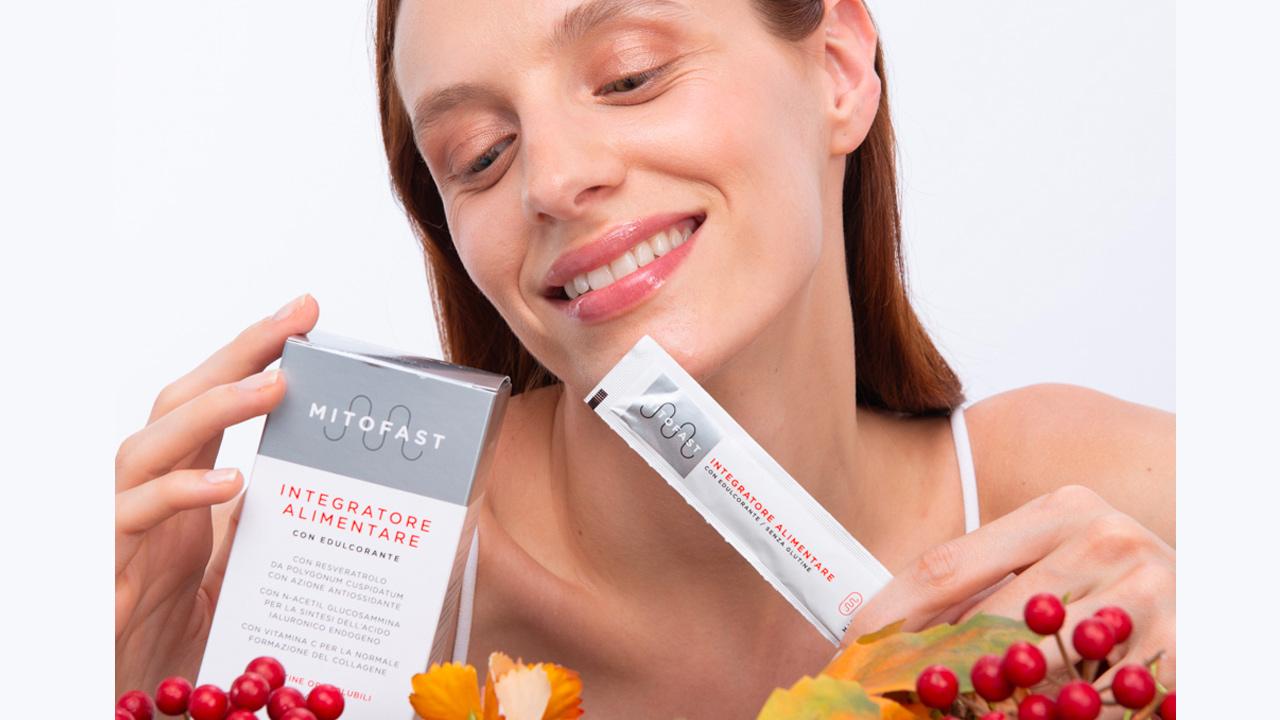

Un recente articolo della rivista Cells focalizza alcuni meccanismi molecolari e cellulari all’origine dei disturbi depressivi (1, 2, 3, 4).
Tra i fenomeni che aumentano il rischio di sintomi depressivi troviamo l’infiammazione cronica, che danneggia le strutture nervose e contribuisce ad innescare i fenomeni all’origine di queste problematiche (4-11).
Si tratta di un fenomeno che può colpire tutte le fasce d’età, inclusa l’adolescenza (12, 13).
Questa condizione può presentarsi anche in persone sane, non solo in quelle affette da malattie (14, 15, 16).
Il “rischio infiammatorio” e di disturbi depressivi può aumentare in particolari periodi della vita come nel post-partum (17); nel periodo intorno alla menopausa e quello successivo (4, 18), oltre alle conseguenze di stili di vita “pro-infiammatori” (4, 19-26).
Ne sono un esempio: fumo di tabacco, insufficiente qualità e durata del sonno, eccessivo consumo di alcol, di bevande zuccherine, di cibi ultra-processati ecc. (4, 19-26).
Viceversa, la riduzione del rischio di depressione può essere raggiunta con comportamenti più salubri, es.: esercizio fisico, controllo ponderale e glicemico, adeguata durata e qualità del sonno ecc. (4, 27, 28, 29, 30)
Lo stato infiammatorio dell’organismo viene facilitato da altre alterazioni come lo stress ossidativo, l’insufficiente produzione di energia necessaria alle cellule nervose (disfunzione mitocondriale), meccanismi immunitari (3, 4, 19, 31, 32, 33), squilibri metabolici ecc. (34-43).
Questi processi fisiopatologici sono negativamente influenzati dall’abbassamento delle difese antiossidanti dell’organismo, un problema molto frequente nelle persone depresse (4, 31, 44). Sono infatti documentati bassi livelli di sostanze antiossidanti endogene come: glutatione (45, 46), catalasi (31), coenzima Q10 (47), albumina, ed acido urico (44).
Tra i fattori all’origine di questo fenomeno, anche l’insufficiente assunzione di antiossidanti da fonti alimentari o da nutraceutici, che rappresenta un ulteriore rischio per la depressione e per le sue possibili complicazioni (48, 49-62) (Nota 1).
Esistono inoltre molti altri processi molecolari che accelerano l’invecchiamento cellulare e dell’intero organismo, e sono correlati ai sintomi depressivi (3, 63-125), alla riduzione delle prestazioni cognitive, sensoriali, psico-sociali e motorie e, in generale, alla flessione del benessere fisico e mentale (126-136).
Adeguati stili di vita, ed opportune valutazioni mediche, sono sempre elementi insostituibili per arginare queste complesse problematiche.
Secondo le più recenti ricerche cliniche, assume un ruolo fondamentale anche aumentare le difese antiossidanti, immunitarie e antinfiammatorie del nostro organismo contribuisce a ridurre il rischio ed attenuare la sintomatologia depressiva, anche in associazione alle terapie farmacologiche (1, 2, 3, 4).
Vantaggi dell’integrazione mirata
Gli ingredienti attivi di Mitofast® e Mitofast B12 (Nota 1) sono stati selezionati dalla ricerca Mitochon srl per contrastare in modo sinergico i meccanismi dell’invecchiamento cutaneo e sistemico: ossido-infiammazione, disfunzione mitocondriale ecc. (78, 89, 90, 91, 136, 137).
I componenti di Mitofast® agiscono infatti in modo significativo su molti aspetti del benessere psicofisico, anche attraverso specifiche azioni cardio- e neuroprotettive, metaboliche, ed energizzanti (78, 89, 90, 91, 136, 137).
Inoltre, Mitofast® incrementa in modo significativo le difese antiossidanti dell’organismo, aumentando i livelli ematici di glutatione, coenzima Q10, vitamina E; oltre a stimolare la sintesi degli antiossidanti endogeni, es.: catalasi e superossido dismutasi (138, 139).
Gli studi clinici hanno dimostrato il significativo miglioramento dei sintomi depressivi derivante dall’integrazione mirata con coenzima Q10 (137-146), acido folico e vitamina B12 (84-91, 147-158). Un ulteriore contributo lo forniscono la N-acetilcisteina attraverso l’incremento dei livelli ematici di glutatione (4, 45, 89, 159-163), ed il resveratrolo per le sue elevate capacità neuroprotettive (78, 89, 164, 164-179).
Questi ingredienti attivi contribuiscono anche a modulare il microbiota intestinale (84-91, 147-158), rallentare l’invecchiamento biologico ed i disturbi collegati (184-186).
Conclusioni
L’integrazione mirata con antiossidanti / antinfiammatori è una risorsa importante anche per ridurre i rischio dei sintomi depressivi e di molte malattie causate dall’ossido-infiammazione e dal precoce invecchiamento biologico.
I nutraceutici Mitochon srl oltre ai riconosciuti risultati antiaging, possono contribuire a migliorare le condizioni generali dell’organismo, incluso il tono dell’umore, i livelli di energia e vitalità.
Nota 1 (104-125)
Depressione e comorbidità
Nei soggetti con sintomi depressivi, l’accelerazione dell’invecchiamento aumenta il rischio di declino cognitivo e di altre malattie croniche che, a loro volta, possono aggravare lo stato ossido-infiammatorio, ed i meccanismi correlati (104, 105, 106).
Queste processi sono influenzati da altri fattori pro-infiammatori, ad esempio, l’insonnia (106), il sovrappeso / obesità ecc. (107).
Anche le più recenti ricerche sottolineano le reciproche influenze tra depressione e la multimorbidità (108), le malattie neurodegenerative (109, 110, 111); il diabete di tipo 2 (112); le malattie cardiovascolari (113-117); inclusa l’influenza bidirezionale sull’invecchiamento vascolare (118), le malattie gastrointestinali (119-122), le malattie infiammatorie della pelle, es.: dermatite atopica (123) e psoriasi (124, 125).
Nota 2
Gli integratori Mitofast® e Mitofast B12 , attenuano i fenomeni biomolecolari dell’invecchiamento cutaneo e sistemico, incluso quello del sistema nervoso centrale e di altri apparati ed organi.
• Mitofast® è una formulazione orosolubile, bilanciata e sinergica di: resveratrolo, coenzima Q10, acido folico, vitamina C, N-acetilcisteina (NAC) precursore di glutatione, N-acetilglucosamina (NAG) per la sintesi di acido ialuronico.
• Mitofast B12 è un integratore liquido studiato per somministrare in modo mirato la ciancobalamina, la forma di vitamina B12 farmacologicamente più adatta per l’uso orale.
Bibliografia
1. Coryell W, Zimmerman M. Disturbi depressivi. Manuale MSD versione per i professionisti. Apr 2025. https://www.msdmanuals.com/it/professionale/disturbi-psichiatrici/disturbi-dell-umore/disturbi-depressivi
2. Istituto Superiore di Sanità EpiCentro - L’epidemiologia per la sanità pubblica. Sorveglianza PASSI. Depressione 2023-2024. https://www.epicentro.iss.it/passi/dati/depressione?utm_source=chatgpt.com
3. Silvestri C, Carpita B, Cassioli E, Lazzeretti M, Rossi E, Messina V, Castellini G, Ricca V, Dell'Osso L, Bolognesi S, Fagiolini A, Voller F; Mental Disorders Study group. Prevalence study of mental disorders in an Italian region. Preliminary report. BMC Psychiatry. 2023 Jan 5;23(1):12. doi: 10.1186/s12888-022-04401-4.
4. Pinzi M, Fagiolini A, Koukouna D, Gualtieri G, Rescalli MB, Pierini C, Pardossi S, Patrizio B, Cuomo A. Inflammatory and Immune Biomarkers in Mood Disorders: From Mechanistic Pathways to Clinical Translation. Cells. 2025 Oct 8;14(19):1558. doi: 10.3390/cells14191558.
5. Maes M, Almulla AF, You Z, Zhang Y. Neuroimmune, metabolic and oxidative stress pathways in major depressive disorder. Nat Rev Neurol. 2025 Sep;21(9):473-489. doi: 10.1038/s41582-025-01116-4.
6. Miller AH. Advancing an Inflammatory Subtype of Major Depression. Am J Psychiatry. 2025 Jun 1;182(6):516-524. doi: 10.1176/appi.ajp.20250289.
7. Teixeira AL, Scholl JN, Bauer ME. Psychoneuroimmunology of Mood Disorders. Methods Mol Biol. 2025;2868:49-72. doi: 10.1007/978-1-0716-4200-9_4.
8. Su Y, Ge Y, Yang H, Zhai G, Cheng X. The link between systemic inflammation and mental disorders: a study on CLR, depression, and anxiety in a US cohort. Front Psychiatry. 2025 Aug 18;16:1607982. doi: 10.3389/fpsyt.2025.1607982.
9. Zhou K, Xie Y, Xie X, Li H, Liang T, Li J, Liu J. U-shaped association between systemic immune-inflammatory index and depression in U.S. adults with hypertension. J Affect Disord. 2025 Oct 1;386:119437. doi: 10.1016/j.jad.2025.119437.
10. Shao X, Xie Z, Zhu L. Inflammatory burden index is correlated with increased depression: a population-based study. BMC Psychiatry. 2025 Mar 31;25(1):306. doi: 10.1186/s12888-025-06730-6.
11. Bai Y, Fang Z, Dai H, Zhang Q, You P. The correlation between systemic immune-inflammation index and major depression in patients with depression. Front Psychiatry. 2025 May 8;16:1580151. doi: 10.3389/fpsyt.2025.1580151.
12. Schumacher A, Tu E, Albaum C, Korczak DJ. The systemic immune-inflammation index (SII) as a biomarker for depression in a community sample of adolescents. Compr Psychoneuroendocrinol. 2025 May 16;23:100302. doi: 10.1016/j.cpnec.2025.100302.
13. Duan J, Chen J, Xiang Z. The U-shape relationship between the aggregate index of systemic inflammation and depression in American adults: A cross-sectional study. J Affect Disord. 2025 Jul 1;380:270-278. doi: 10.1016/j.jad.2025.03.139.
14. Wang X, Liang X, Jiang M, Wei L, Shi X, Fang F, Cang J. Systemic inflammation as a mediator in the link between obesity and depression: Evidence from a nationwide cohort study. BMC Psychiatry. 2025 May 5;25(1):449. doi: 10.1186/s12888-025-06892-3.
15. Selman A, Dai J, Driskill J, Reddy AP, Reddy PH. Depression and obesity: Focus on factors and mechanistic links. Biochim Biophys Acta Mol Basis Dis. 2025 Jan;1871(1):167561. doi: 10.1016/j.bbadis.2024.167561.
16. Liu D, He C, Luo X. Relationship between systemic immune-inflammation index and depression among individuals with and without cardiovascular disease. J Cardiothorac Surg. 2025 Jan 4;20(1):15. doi: 10.1186/s13019-024-03314-5.
17. Xie K, Jiang S, Wang Y, Chen H, Wu X, Xu B. Association of immune-inflammatory biomarkers during pregnancy and the postpartum period with postpartum depression symptoms: A cross-sectional and longitudinal retrospective analysis. Brain Behav Immun. 2025 Oct;129:42-51. doi: 10.1016/j.bbi.2025.05.014.
18. Bernier V, Chatelan A, Point C, Strauss M. Nutrition and Neuroinflammation: Are Middle-Aged Women in the Red Zone? Nutrients. 2025 May 8;17(10):1607. doi: 10.3390/nu17101607.
19. Solomon P, Budde M, Kohshour MO, Adorjan K, Heilbronner M, Navarro-Flores A, Papiol S, Reich-Erkelenz D, Schulte EC, Senner F, Vogl T, Kaurani L, Krüger DM, Sananbenesi F, Pena T, Burkhardt S, Schütz AL, Anghelescu IG, Arolt V, Baune BT, Dannlowski U, Dietrich DE, Fallgatter AJ, Figge C, Juckel G, Konrad C, Lang FU, Reimer J, Reininghaus EZ, Schmauß M, Spitzer C, Wiltfang J, Zimmermann J, Fischer A, Falkai P, Schulze TG, Heilbronner U, Poschmann J. Disease severity across psychiatric disorders is linked to pro-inflammatory cytokines. Brain Behav Immun. 2025 Oct;129:359-372. doi: 10.1016/j.bbi.2025.06.004.
20. Zhu R, Wang L, Wu X, Wang K. Systemic inflammatory indices and the risk of depression in individuals with sleep difficulties: A cohort study based on NHANES 2005-2020. Compr Psychoneuroendocrinol. 2025 May 12;23:100299. doi: 10.1016/j.cpnec.2025.100299.
21. Zhou Y, Zhang C, Li J, Zheng Y, Xiao S. Systemic inflammation mediates the association between dietary inflammation index and incident anxiety and depression in UK Biobank. J Affect Disord. 2025 Jul 15;381:205-214. doi: 10.1016/j.jad.2025.03.101.
22. Azarmanesh D, Man K, Zheng P, Cooper O, Aguiar EJ, Wilkerson AH. The association of the Lifestyle Inflammatory Score (LIS) with depression among adults in the United States: National health and nutrition examination survey (NHANES) 2007-2010, 2015-2018, 2021-2023. J Affect Disord. 2026 Jan 15;393(Pt B):120401. doi: 10.1016/j.jad.2025.120401.
23. Lin F, Chen X, Cai Y, Shi Y, Wang Y, Zeng Y, Ye Q, Chen X, Wu X, Shi Y, Cai G. Accelerated biological aging as potential mediator mediates the relationship between pro-inflammatory diets and the risk of depression and anxiety: A prospective analysis from the UK biobank. J Affect Disord. 2024 Jun 15;355:1-11. doi: 10.1016/j.jad.2024.03.135.
24. Sorlí JV, de la Cámara E, Fernández-Carrión R, Asensio EM, Portolés O, Ortega-Azorín C, Pérez-Fidalgo A, Villamil LV, Fitó M, Barragán R, Coltell O, Corella D. Depression and Accelerated Aging: The Eveningness Chronotype and Low Adherence to the Mediterranean Diet Are Associated with Depressive Symptoms in Older Subjects. Nutrients. 2024 Dec 30;17(1):104. doi: 10.3390/nu17010104.
25. Edwin Thanarajah S, Ribeiro AH, Lee J, Winter NR, Stein F, Lippert RN, Hanssen R, Schiweck C, Fehse L, Bloemendaal M, Aichholzer M, Bouzouina A, Uckermark C, Welzel M, Repple J, Matura S, Meinert S, Bang C, Franke A, Leenings R, Konowski M, Ernsting J, Fisch L, Barkhau C, Thomas-Odenthal F, Usemann P, Teutenberg L, Straube B, Alexander N, Jamalabadi H, Nenadic I, Lügering A, Nitsch R, Kittel-Schneider S, Cryan JF, Reif A, Kircher T, Heider D, Dannlowski U, Hahn T. Soft Drink Consumption and Depression Mediated by Gut Microbiome Alterations. JAMA Psychiatry. 2025 Nov 1;82(11):1095-1102. doi: 10.1001/jamapsychiatry.2025.2579.
26. Ren R, Huang R, Li Y, Wang W, Ye X, Xi L, Zhang R, Peng Y, Wang D. Depressive symptoms mediate the association between dietary inflammatory index and sleep: A cross-sectional study of NHANES 2005-2014. J Affect Disord. 2025 Mar 1;372:117-125. doi: 10.1016/j.jad.2024.12.020.
27. Ramos-Jiménez A, Rubio-Valles M, Ramos-Hernández JA, González-Rodríguez E, Moreno-Brito V. Adaptations in Mitochondrial Function Induced by Exercise: A Therapeutic Route for Treatment-Resistant Depression. Int J Mol Sci. 2025 Sep 6;26(17):8697. doi: 10.3390/ijms26178697.
28. Carrera-Bastos P, Bottino B, Stults-Kolehmainen M, Schuch FB, Mata-Ordoñez F, Müller PT, Blanco JR, Boullosa D. Inflammation and depression: an evolutionary framework for the role of physical activity and exercise. Front Psychol. 2025 May 29;16:1554062. doi: 10.3389/fpsyg.2025.1554062.
29. Cui S, Li L, Qin W, Liu W, Zhong X. Deciphering the association between the Life's Essential 8 and infertility: insights into depression, inflammation, and metabolic mediation. Front Endocrinol (Lausanne). 2025 Feb 21;16:1451030. doi: 10.3389/fendo.2025.1451030.
30. Yu X, Zheng H, Liu M, Wu L, Tian S, Wu W. Association of systemic immune-inflammation index with all-cause and cardiovascular mortality among adults with depression: evidence from NHANES 2005-2018. BMC Psychiatry. 2025 Jan 8;25(1):25. doi: 10.1186/s12888-024-06463-y.
31. Peng RJ, Sun C, Fan Y, Li J, Gao J, Sun WX, Zhang XB, Tian Q. Oxidative stress and cognitive function in Chinese patients with major depressive disorder: the mediating role of depression severity. BMC Psychiatry. 2025 Oct 22;25(1):1012. doi: 10.1186/s12888-025-07478-9.
32. Xia X, Li K, Jiang B, Zou W, Wang L. Mitochondrial dysfunction in depression: Mechanisms and targeted therapy strategies. Asian J Psychiatr. 2025 Oct;112:104694. doi: 10.1016/j.ajp.2025.104694.
33. Liu, X.; Luo, Q.; Zhao, Y.; Ren, P.; Jin, Y.; Zhou, J. The Ferroptosis–Mitochondrial Axis in Depression: Unraveling the Feedforward Loop of Oxidative Stress, Metabolic Homeostasis Dysregulation, and Neuroinflammation. Antioxidants 2025, 14, 613. https://doi.org/10.3390/antiox14050613
34. Meng F, Wang J, Wang L, Zou W. Glucose metabolism impairment in major depressive disorder. Brain Res Bull. 2025 Feb;221:111191. doi: 10.1016/j.brainresbull.2025.111191.
35. Zou S, Mendes-Silva AP, Dos Santos FC, Ebrahimi M, Kennedy JL, Goncalves VF. Multi-omics Analysis of Energy Metabolism Pathways Across Major Psychiatric Disorders. Mol Neurobiol. 2025 Oct;62(10):13272-13285. doi: 10.1007/s12035-025-05133-8.
36. Pistis G, Strippoli MF, van Dalfsen JH, Vaucher J, Kutalik Z, Vollenweider P, Penninx BWHJ, Preisig M, Milaneschi Y. The Role of Energy Homeostasis in Depression Pathophysiology and Its Heterogeneity. JAMA Psychiatry. 2025 Oct 1;82(10):992-1001. doi: 10.1001/jamapsychiatry.2025.1858.
37. Yu Y, Yu T, Liu K, Li Y, Luan Y, Yang T, Li W, Cong H, Wu X. Perimenopausal depression: Targeting inflammation and oxidative stress (Review). Mol Med Rep. 2025 Jun;31(6):161. doi: 10.3892/mmr.2025.13526.
38. Yu Y, Yapeng H, Liu Z, Fang L, Li J, Luan Y, Li W, Cong H, Wu X. Mitochondrial dysfunction in perimenopausal mood disorders: From hormonal shifts to neuroenergetic failure (Review). Int J Mol Med. 2025 Dec;56(6):215. doi: 10.3892/ijmm.2025.5656.
39. Lorenzo EC, Kuchel GA, Kuo CL, Moffitt TE, Diniz BS. Major depression and the biological hallmarks of aging. Ageing Res Rev. 2023 Jan;83:101805. doi: 10.1016/j.arr.2022.101805.
40. Deng S, Ren Y, Zhang Q, Liu Q, Long J, Picard K, Martin M, Miller T, Yuan C, He Y, Guo J. Nanoengineered mitochondria for mitochondrial dysfunction and anti-aging interventions. Front Aging. 2025 Sep 26;6:1688482. doi: 10.3389/fragi.2025.1688482.
41. Gao Y, Wang D, Wang Q, Wang J, Li S, Wang T, Hu X, Wan C. Causal Impacts of Psychiatric Disorders on Cognition and the Mediating Effect of Oxidative Stress: A Mendelian Randomization Study. Antioxidants (Basel). 2025 Jan 29;14(2):162. doi: 10.3390/antiox14020162.
42. Fu Q, Li J, Zhu H, Yu Q, Shen T, Liu Z, Liu Y, Zhou W. Mitochondrial dysfunction, a new marker warning of neuropsychiatric disorder risk: evidence from genetics and epidemiology. Ann Gen Psychiatry. 2025 Oct 22;24(1):64. doi: 10.1186/s12991-025-00604-7.
43. Li H, Liu Q, Shan Q, Xu H, Wang J, Liu L, Wang Y. Identification of mitochondrial-related causal genes for major depression disorder via integrating multi-omics. J Affect Disord. 2025 Aug 1;382:540-548. doi: 10.1016/j.jad.2025.04.124.
44. Zhang Z, Huang Y, Zhou S, Feng S, Liu C, Li H, Zhang L, Han W, Wu F. Effect of serum antioxidants on cognitive dysfunction in first-episode and drug-naïve patients with major depressive disorder. J Affect Disord. 2025 Mar 1;372:533-539. doi: 10.1016/j.jad.2024.12.062.
45. Bell CJM, Mehta M, Mirza L, Young AH, Beck K. Glutathione alterations in depression: a meta-analysis and systematic review of proton magnetic resonance spectroscopy studies. Psychopharmacology (Berl). 2025 Apr;242(4):717-724. doi: 10.1007/s00213-024-06735-1.
46. Lee SW, Kim S, Chang Y, Cha H, Noeske R, Choi C, Lee SJ. Quantification of Glutathione and Its Associated Spontaneous Neuronal Activity in Major Depressive Disorder and Obsessive-Compulsive Disorder. Biol Psychiatry. 2025 Feb 1;97(3):279-289. doi: 10.1016/j.biopsych.2024.08.018.
47. Bagheri S, Haddadi R, Saki S, Kourosh-Arami M, Rashno M, Mojaver A, Komaki A. Neuroprotective effects of coenzyme Q10 on neurological diseases: a review article. Front Neurosci. 2023 Jun 23;17:1188839. doi: 10.3389/fnins.2023.1188839.
48. Liu Y, Han Y, Gao Y, Sun M, Wang F, Wu Z, Wang S, Dong Y, Zhao J, Xin S, Li B. Association between total antioxidant capacity and prevalence of depression: NHANES 2007-2018. J Psychiatr Res. 2025 Jan;181:134-143. doi: 10.1016/j.jpsychires.2024.11.004.
49. Vitali E, Cattane N, D'Aprile I, Petrillo G, Cattaneo A. Systemic Inflammation at the Crossroad of Major Depressive Disorder and Comorbidities: A Narrative Review. Int J Mol Sci. 2025 Sep 25;26(19):9382. doi: 10.3390/ijms26199382.
50. Harsanyi S, Kupcova I, Csobonyeiova M, Klein M. Salivary hormones in depression: the future in diagnosis and treatment. Ann Gen Psychiatry. 2025 Feb 17;24(1):9. doi: 10.1186/s12991-025-00548-y.
51. Lu W, He X, Peng H, Lei P, Liu J, Ding Y, Yan B, Ma X, Yang J. Exploring the shared genetic architecture between testosterone traits and major depressive disorder. BMC Psychiatry. 2025 Jul 1;25(1):651. doi: 10.1186/s12888-025-07096-5.
52. Bala R, Handley D, Gillett A, Green H, Bowden J, Wood A, Barroso I, Lewis CM, Tyrrell J. Evidence of bidirectional relationship between type 2 diabetes and depression; a Mendelian randomization study. Mol Psychiatry. 2025 Nov;30(11):5013-5023. doi: 10.1038/s41380-025-03083-0.
53. Oh DJ, Jeong C, Kim J, Kim ES, Oh KS, Shin YC, Shin DW, Jeon SW, Cho SJ. Insulin resistance and the risk of incident depression: the role of age, glycemic status, and adiposity in a prospective cohort study. Lancet Reg Health West Pac. 2025 Aug 20;62:101672. doi: 10.1016/j.lanwpc.2025.101672.
54. Wang R, Chen Y, Teopiz KM, McIntyre RS, Cao B. Additive effects of depression and abdominal obesity on cognitive function in middle-aged and older population: evidence from multinational cohorts. BMC Med. 2025 Oct 13;23(1):555. doi: 10.1186/s12916-025-04298-2.
55. Feng Q, Izzi-Engbeaya CN, Manousou P, Woodward M. Obesity drives the link between liver fat and depression: Cross-sectional and prospective investigations. Diabetes Obes Metab. 2025 Sep;27(9):5127-5134. doi: 10.1111/dom.16562.
56. Wang S, Luo N, Jiang J, Zhu C, Hu X, Xu W, Wu Z, Li C, Xiao Z, Ma B, Huang L, Cheng L. Association of dietary mineral intake with depression in overweight or obese adults: A cross-sectional study in the United States. J Affect Disord. 2026 Jan 1;392:120080. doi: 10.1016/j.jad.2025.120080.
57. Pehlivan M, Bakırhan H, Özyürek Arpa F, İncedal Irgat S. Can malnutrition, dietary habits, and diet quality be determinant factors in frailty, sarcopenia, low physical function, and depression in older adults? BMC Geriatr. 2025 Oct 17;25(1):785. doi: 10.1186/s12877-025-06433-3.
58. Zhu Y, Yin H, Zhong X, Zhang Q, Wang L, Lu R, Jia P. Exploring the mediating roles of depression and cognitive function in the association between sarcopenia and frailty: A Cox survival analysis approach. J Adv Res. 2025 Oct;76:605-613. doi: 10.1016/j.jare.2024.12.021.
59. Li J, Wan B, Zhou L, Qian X, Wang F, Gu S, Ma X, Huang JH. Gut microbiota dysbiosis induces neuroinflammation in major depressive disorders: mechanisms targeting the gut-brain axis. Front Psychiatry. 2025 Sep 18;16:1629182. doi: 10.3389/fpsyt.2025.1629182.
60. Patel RA, Panche AN, Harke SN. Gut microbiome-gut brain axis-depression: interconnection. World J Biol Psychiatry. 2025 Jan;26(1):1-36. doi: 10.1080/15622975.2024.2436854.
61. Batagianni M, Papazoglou A, Galiatsatos P, Linos D. Assessing the relationship of gut microbiota with neurological, psychiatric, and neurodegenerative disorders: a narrative review. World J Biol Psychiatry. 2025 Oct;26(8):409-421. doi: 10.1080/15622975.2025.2530750.
62. Wang Y, Sun Y, Zhang H, Ma K. Association between brain-gut peptides and depression: A systematic review and meta-analysis. Psychoneuroendocrinology. 2025 Sep;179:107526. doi: 10.1016/j.psyneuen.2025.107526.
63. Lorenzo EC, Figueroa JE, Demirci DA, El-Tayyeb F, Huggins BJ, Illindala M, Bartley JM, Haynes L, Diniz BS. Unraveling the association between major depressive disorder and senescent biomarkers in immune cells of older adults: a single-cell phenotypic analysis. Front Aging. 2024 Apr 11;5:1376086. doi: 10.3389/fragi.2024.1376086.
64. Mutz J, Lewis CM. Telomere Length Associations With Clinical Diagnosis, Age, and Polygenic Risk Scores for Anxiety Disorder, Depression, and Bipolar Disorder. Biol Psychiatry Glob Open Sci. 2022 Sep 6;3(4):1012-1020. doi: 10.1016/j.bpsgos.2022.08.008.
65. Li Y, Berliocchi L, Li Z, Rasmussen LJ. Interactions between mitochondrial dysfunction and other hallmarks of aging: Paving a path toward interventions that promote healthy old age. Aging Cell. 2024 Jan;23(1):e13942. https://onlinelibrary.wiley.com/doi/10.1111/acel.13942
66. Lopez-Otin, C., Blasco, M. A., Partridge, L., Serrano, M., & Kroemer, G. (2023). Hallmarks of aging: An expanding universe. Cell, 186(2), 243–278. https://doi.org/10.1016/j.cell.2022.11.001
67. Tian Y, Lu Q, Li J, Zhou X, Wang L, Zhong X, Luo Y. Depressed mood affects the process of biological aging, analyses from the NHANES dataset. Front Aging. 2025 Jul 8;6:1516664. doi: 10.3389/fragi.2025.1516664.
68. Xu C, Wang JN, Song Z, Deng HY, Li CC. Mediating role of accelerated aging in the association between depression and mortality risk: findings from NHANES. Aging Clin Exp Res. 2024 Oct 5;36(1):202. doi: 10.1007/s40520-024-02854-z.
69. Gao X, Geng T, Jiang M, Huang N, Zheng Y, Belsky DW, Huang T. Accelerated biological aging and risk of depression and anxiety: evidence from 424,299 UK Biobank participants. Nat Commun. 2023 Apr 20;14(1):2277. doi: 10.1038/s41467-023-38013-7. Erratum in: Nat Commun. 2023 Sep 25;14(1):5970. doi: 10.1038/s41467-023-41786-6.
70. Diniz B, Zhao S, Drouard G, Vuoksimaa E, Ollikainen M, Lenze E, Xu M, Fortinski R, Kuchel G, Kaprio J, Kuo CL. Biological aging acceleration in major depressive disorder: a multi-omics, multi-modal analyses. Res Sq [Preprint]. 2025 May 28:rs.3.rs-6716774. doi: 10.21203/rs.3.rs-6716774/v1.
71. Hong Y. Association between epigenetic age acceleration and psychiatric disorders: a bidirectional Mendelian randomization study. Eur Arch Psychiatry Clin Neurosci. 2025 Aug 1. doi: 10.1007/s00406-025-02069-x.
72. Chen M, Gao Q, Zhu X, Zhang J, Xia R, Zhang Q. Dietary inflammatory index and depressive symptoms as mediators between social disadvantage and accelerated phenotypic aging. J Affect Disord. 2025 Dec 15;391:119995. doi: 10.1016/j.jad.2025.119995.
73. Wang H, Bakulski KM, Blostein F, Porath BR, Dou J, Tejera CH, Ryan LH, Ware EB. Are depressive symptoms associated with biological aging in a cross-sectional analysis of adults over age 50 in the United States. Psychol Aging. 2024 Dec;39(8):946-959. doi: 10.1037/pag0000860.
74. How EH, Chin SM, Teo CH, Parhar IS, Soga T. Accelerated biological brain aging in major depressive disorder. Rev Neurosci. 2024 Jul 15;35(8):959-968. doi: 10.1515/revneuro-2024-0025.
75. Xu EY, Green C, McCartney DL, Han LKM, Evans KL, Walker RM, Gadd DA, Steele D, Waiter G, Campbell A, Lawrie SM, Cole JH, McIntosh AM, Shen X, Whalley HC. Epigenetic and Structural Brain Aging and Their Associations With Major Depressive Disorder. Biol Psychiatry Glob Open Sci. 2025 Aug 5;5(6):100577. doi: 10.1016/j.bpsgos.2025.100577.
76. Solh T, Cevher ŞC. The relationship between neuropsychiatric disorders and aging: A review on telomere length, oxidative stress, and inflammation. Behav Brain Res. 2025 May 8;485:115528. doi: 10.1016/j.bbr.2025.115528.
77. Wu Y, Xiang M, Zhao Y, Zhang Y, Cheng W, Deng J. The L-shaped link between total antioxidant capacity and phenotypic age acceleration: evidence from NHANES 2003-2010. Biogerontology. 2025 Apr 2;26(2):85. doi: 10.1007/s10522-025-10223-0.
78. Mini-Review Resveratrolo - Età biologica / Coenzima Q10 disfunzione mitocondriale 2025 https://www.mitochon.it/resveratrolo-coenzima-q10-eta-biologica-mitocondri-cosa-ce-di-nuovo/?v=0d149b90e739
79. Zhang C, Han RF, Yin S, Huang YQ. Differential associations of dietary inflammatory potential, antioxidant capacity, and Mediterranean diet adherence with biological aging: A UK Biobank study. J Nutr Health Aging. 2025 Sep;29(9):100638. doi: 10.1016/j.jnha.2025.100638.
80. Carvalho BG, Ribeiro AA, da Mota JCNL, Carvalho LM, Nicoletti CF. Integrating biological age, epigenetic clocks, and telomere length in precision nutrition strategies for chronic disease management: Potential frameworks and ongoing challenges. Nutr Res. 2025 Aug;140:135-160. doi: 10.1016/j.nutres.2025.06.010.
81. Zhang Y, Gong F, Zhang AH, Wang GW, Liu Y, Li T. Serum Vitamin C concentrations are inversely related to biological aging: a population-based cross-sectional study. Eur J Med Res. 2025 Sep 26;30(1):864. doi: 10.1186/s40001-025-03150-w.
82. Wang X, Qu X, Jiang G. Sex-stratified and ascorbic acid intake-modified associations between body roundness index and biological aging: a NHANES-based study on interactions and mediation. Lipids Health Dis. 2025 Sep 19;24(1):281. doi: 10.1186/s12944-025-02708-1.
83. Izadi M, Sadri N, Abdi A, Raeis Zadeh MM, Sadatipour S, Baghdadi G, Jalaei D, Tahmasebi S. Harnessing the fundamental roles of vitamins: the potent anti-oxidants in longevity. Biogerontology. 2025 Feb 7;26(2):58. doi: 10.1007/s10522-025-10202-5.
84. Bozack AK, Khodasevich D, Nwanaji-Enwerem JC, Gladish N, Shen H, Daredia S, Gamble M, Needham BL, Rehkopf DH, Cardenas A. One-carbon metabolism-related compounds are associated with epigenetic aging biomarkers: results from the cross-sectional National Health and Nutrition Examination Survey 1999-2002. Am J Clin Nutr. 2025 Aug;122(2):413-423. doi: 10.1016/j.ajcnut.2025.05.029.
85. Li Y, Peng D, Yu Z, Deng J, Zhao L, Cao R. Association between methyl donor nutrients' dietary intake with phenotypic aging among US adults: a cross-sectional study from NHANES 2005-2018. Sci Rep. 2025 Apr 12;15(1):12591. doi: 10.1038/s41598-025-96668-2.
86. Xu CC, Zhao WX, Sheng Y, Yun YJ, Ma T, Fan N, Song JQ, Wang J, Zhang Q. Serum homocysteine showed potential association with cognition and abnormal gut microbiome in major depressive disorder. World J Psychiatry. 2025 Mar 19;15(3):102567. doi: 10.5498/wjp.v15.i3.102567.
87. Zhuang J, Zhang H, Hu D, Meng T, Chen H, Wang H, Zhang G. Homocysteine-Responsive Covalent Organic Frameworks as Signaling Scaffolds: Modulating Transsulfuration for Depression Treatment. Small. 2025 Jun;21(23):e2501944. doi: 10.1002/smll.202501944.
88. Gao Y, Song XN, Wen ZP, Hu JZ, Du XZ, Zhang JH, Liu S. The association of vitamin deficiency with depression risk in late-life depression: a review. Front Nutr. 2025 Apr 15;12:1551375. doi: 10.3389/fnut.2025.1551375.
89. Mini-Review Antiaging cognitivo 2025 https://www.mitochon.it/antiaging-cognitivo/?v=0d149b90e739
90. Mini-Review Antiaging cardiovascolare 2025 https://www.mitochon.it/antiaging-cardiovascolare/?v=0d149b90e739
91. Mini-Review Antiaging muscolare 2025 https://www.mitochon.it/antiaging-muscolare/?v=0d149b90e739
92. Liang W, Guo H, Li L, Tan W, Liu J, Hu X, Wang Y, Zhou S. Ferroptosis: a new target for depression prevention and treatment. J Neural Transm (Vienna). 2025 Jul;132(7):979-997. doi: 10.1007/s00702-025-02912-4.
93. Feng X, Zhang W, Liu X, Wang Q, Dang X, Han J, Zhang X. Ferroptosis-associated signaling pathways and therapeutic approaches in depression. Front Neurosci. 2025 Mar 19;19:1559597. doi: 10.3389/fnins.2025.1559597.
94. Zhao J, Zhou T, Jing Y, Shao J, Xie C, Huang Y, Long T, Luo J. Association of α-klotho concentrations with cardiovascular and all-cause mortality in American adults with depression: a national prospective cohort study. Transl Psychiatry. 2024 Dec 27;14(1):505. doi: 10.1038/s41398-024-03215-0.
95. Jiang H, Zhong J, Wei B, Zhang A. Serum klotho levels modify the positive relationship of depression and all-cause mortality risk. Sci Rep. 2025 Sep 18;15(1):32592. doi: 10.1038/s41598-025-04948-8.
96. Zheng S, Yang L, Dai Q, Li X, Masuoka T, Lv J. Role of sirtuin 1 in depression induced coronary heart disease: Molecular pathways and therapeutic potential (Review). Biomed Rep. 2025 Jan 14;22(3):46. doi: 10.3892/br.2025.1924.
97. Zhang Y, Gui L, Yin Y, Tong X, Xia G, Wang Y, Yi J, Tian C, Liu X, Yang H. Network pharmacology integrated with pharmacological evaluation for investigating the mechanism of resveratrol in perimenopausal depression. Behav Brain Res. 2025 Feb 4;477:115304. doi: 10.1016/j.bbr.2024.115304.
98. Yu H, Li X, Ning B, Feng L, Ren Y, Li S, Kang Y, Ma J, Zhao M. SIRT1: a potential therapeutic target for coronary heart disease combined with anxiety or depression. J Drug Target. 2025 Mar;33(3):328-340. doi: 10.1080/1061186X.2024.2422882.
99. Chen CY, Wang YT, Liu LJ, Zhang Y. Sirtuin 3, a mitochondrial metabolic enzyme, links the mitochondrial function to neurophysiology in depression. Prog Neuropsychopharmacol Biol Psychiatry. 2025 Nov 14:111563. doi: 10.1016/j.pnpbp.2025.111563.
100. Zou J, Liu L, Chai F, Shan Q, Wang Y. The Role of Sirt1 in Regulating Inflammatory Cytokines and Oxidative Stress in the Transition Mechanism from Depressive Disorder to Alzheimer's Disease. Mol Neurobiol. 2025 Oct;62(10):13136-13152. doi: 10.1007/s12035-025-05084-0.
101. Liu T, Conley YP, Erickson KI, Miao H, Connolly CG, Ormsbee MJ, Li C. 12-Year Physical Activity Trajectories and Epigenetic Age Acceleration Among Middle-Aged and Older Adults. Biol Res Nurs. 2025 Jul;27(3):442-452. doi: 10.1177/10998004251334415.
102. Pourteymour S, Majhi RK, Norheim FA, Drevon CA. Exercise Delays Brain Ageing Through Muscle-Brain Crosstalk. Cell Prolif. 2025 Jul;58(7):e70026. doi: 10.1111/cpr.70026.
103. Liufu C, Pang T, Zheng H, Yang L, Yang L, Huang X, Qian Y, Chang S. Epigenetic Clocks Identify Harmful Epigenetic Aging Linked to Depression Severity and Cognitive Deficits in Major Depressive Disorder. Aging Dis. 2025 Aug 28. doi: 10.14336/AD.2025.0781.
104. Opsasnick LA, Zhao W, Schmitz LL, Ratliff SM, Faul JD, Zhou X, Needham BL, Smith JA. Depressive symptoms partially mediate the relationship between psychosocial factors and epigenetic age acceleration in a multi-racial/ethnic sample of older adults. Brain Behav Immun Health. 2025 Apr 12;45:100994. doi: 10.1016/j.bbih.2025.100994.
105. Li YJ, Kuplicki R, Ford BN, Kresock E, Figueroa-Hall L, Savitz J, McKinney BA. Gene age gap estimate (GAGE) for major depressive disorder: A penalized biological age model using gene expression. Neurobiol Aging. 2025 Jul;151:13-21. doi: 10.1016/j.neurobiolaging.2025.01.012.
106. Ma Z, Shen S, Hao M, Qin Y, Tang Y, Jin L, Wang F, Gong X. Accelerated epigenetic aging in males with mood disorders accompanied by insomnia. J Affect Disord. 2026 Jan 15;393(Pt B):120381. doi: 10.1016/j.jad.2025.120381.
107. Assari S, Pallera JA. Depression, Subjective Health, Obesity, and Multimorbidity are Associated with Epigenetic Age Acceleration. J Biomed Life Sci. 2025;5(1):42-57. doi: 10.31586/jbls.2025.6041. Epub 2025 Apr 3.
108. Xie Z, Wu Z, Sun W, Chen H, Zhang W, Li Y, Niu Q, Li H, Guo H, Ma R, He J. Association between depression and multimorbidity in Chinese middle-aged and older adults: a prospective cohort study. J Affect Disord. 2025 Sep 15;385:119445. doi: 10.1016/j.jad.2025.119445.
109. Papa D, Ingenito A, von Gal A, De Pandis MF, Piccardi L. Relationship Between Depression and Neurodegeneration: Risk Factor, Prodrome, Consequence, or Something Else? A Scoping Review. Biomedicines. 2025 Apr 23;13(5):1023. doi: 10.3390/biomedicines13051023.
110. Negru DC, Tit DM, Negru PA, Bungau G, Marin RC. Predictors of Cognitive Decline in Alzheimer's Disease: A Longitudinal Bayesian Analysis. Medicina (Kaunas). 2025 May 11;61(5):877. doi: 10.3390/medicina61050877.
111. Hu C, Sun X, Li Z, He Y, Han B, Wu Z, Liu S, Jin L. Multitrajectories of Frailty and Depression With Cognitive Function: Findings From the Health and Retirement Longitudinal Study. J Cachexia Sarcopenia Muscle. 2025 Apr;16(2):e13795. doi: 10.1002/jcsm.13795.
112. Xu H, Chen Q. The bidirectional influence between type 2 diabetes mellitus and the state of depression and anxiety. J Affect Disord. 2025 Oct 1;386:119467. doi: 10.1016/j.jad.2025.119467.
113. Huang L, Zhang L, Liu C, Xu Q, Qiu K. Interaction and mechanisms of depression and cardiovascular disease: a mini-review. PeerJ. 2025 Oct 9;13:e20148. doi: 10.7717/peerj.20148.
114. Tu Q, Lin S, Hafiz N, Hyun K, Manandi D, Zhao E, Wu H, Huang Y, Ma S, Zhang Z, Zheng J, Redfern J. Independent and joint associations of hypertension and depression with cardiovascular diseases and all-cause mortality: a population-based cohort study. J Hum Hypertens. 2025 Sep;39(9):634-642. doi: 10.1038/s41371-025-01045-1.
115. Li J, Bosch JA, Rydin AO, Hourican C, Koloi A, Tassi S, Mishra PP, Mishra BH, Kähönen M, Lehtimäki T, Raitakari OT, Laaksonen R, Keltikangas-Järvinen L, Juonala M, Quax R. A multilayer network analysis of cardiovascular-depression comorbidity reveals symptom-specific molecular biomarkers. Psychol Med. 2025 Oct 24;55:e316. doi: 10.1017/S0033291725102109.
116. Zeng J, Qiu Y, Yang C, Fan X, Zhou X, Zhang C, Zhu S, Long Y, Hashimoto K, Chang L, Wei Y. Cardiovascular diseases and depression: A meta-analysis and Mendelian randomization analysis. Mol Psychiatry. 2025 Sep;30(9):4234-4246. doi: 10.1038/s41380-025-03003-2. Epub 2025 Apr 17. Erratum in: Mol Psychiatry. 2025 Sep;30(9):4444. doi: 10.1038/s41380-025-03049-2.
117. Pino MD, Rivero P, Taylor A, Gabriel R. Impact of depression and cardiovascular risk factors on cognitive impairment in patients with atrial fibrillation: A Systematic review and meta-analysis. Arch Gerontol Geriatr. 2025 Jan;128:105601. doi: 10.1016/j.archger.2024.105601.
118. Feng YT, Pei JY, Wang YP, Feng XF. Association between depression and vascular aging: a comprehensive analysis of predictive value and mortality risks. J Affect Disord. 2024 Dec 15;367:632-639. doi: 10.1016/j.jad.2024.08.100.
119. Dale HF, Kolby M, Valeur J. Ultra-Processed Food Consumption and Irritable Bowel Syndrome: Current Evidence and Clinical Implications. Nutrients. 2025; 17(22):3567. https://doi.org/10.3390/nu17223567
120. Zhou S, Zi J, Hu Y, Wang X, Cheng G, Xiong J. Genetic correlation, pleiotropic loci and shared risk genes between major depressive disorder and gastrointestinal tract disorders. J Affect Disord. 2025 Apr 1;374:84-90. doi: 10.1016/j.jad.2025.01.048.
121. Luo K, Zhang M, Tu Q, Li J, Wang Y, Wan S, Li D, Qian Q, Xia L. From gut inflammation to psychiatric comorbidity: mechanisms and therapies for anxiety and depression in inflammatory bowel disease. J Neuroinflammation. 2025 Jun 3;22(1):149. doi: 10.1186/s12974-025-03476-6.
122. Petracco G, Faimann I, Reichmann F. Inflammatory bowel disease and neuropsychiatric disorders: Mechanisms and emerging therapeutics targeting the microbiota-gut-brain axis. Pharmacol Ther. 2025 May;269:108831. doi: 10.1016/j.pharmthera.2025.108831.
123. Jiang H, Gong B, Yan Z, Wang P, Hong J. Identification of novel biomarkers associated with immune infiltration in major depression disorder and atopic dermatitis. Arch Dermatol Res. 2025 Feb 15;317(1):417. doi: 10.1007/s00403-025-03907-7.
124. Keenan EL, Granstein RD. Proinflammatory cytokines and neuropeptides in psoriasis, depression, and anxiety. Acta Physiol (Oxf). 2025 Mar;241(3):e70019. doi: 10.1111/apha.70019.
125. Lu J, Zhang N, Zhou C, Wang Y, Yin Z. The mediating role of sleep disturbances in the psoriasis-depression association: A population-based study. J Am Acad Dermatol. 2025 Sep;93(3):804-806. doi: 10.1016/j.jaad.2025.05.1368.
126. Lu WH, Gonzalez-Bautista E, Guyonnet S, Lucas A, Parini A, Walston JD, Vellas B, de Souto Barreto P; MAPT/DSA Group. Plasma inflammation-related biomarkers are associated with intrinsic capacity in community-dwelling older adults. J Cachexia Sarcopenia Muscle. 2023 Apr;14(2):930-939. doi: 10.1002/jcsm.13163.
127. Aragoni da Silva J, Rolland Y, Martinez LO, de Souto Barreto P. Mitochondrial Dysfunction and Intrinsic Capacity: Insights From a Narrative Review. J Gerontol A Biol Sci Med Sci. 2023 May 11;78(5):735-742. doi: 10.1093/gerona/glac227.
128. Ramírez-Vélez R, Borda MG, Sáez de Asteasu ML, Izquierdo M. Intrinsic capacity as a predictor of depression onset in middle-aged and older adults: Insights from the UK Biobank. J Affect Disord. 2025 Nov 1;388:119590. doi: 10.1016/j.jad.2025.119590. E
129. Samhat H, Duque G. Capturing vitality: Toward a multidimensional lens for intrinsic capacity and healthy aging. J Nutr Health Aging. 2025 Aug;29(8):100636. doi: 10.1016/j.jnha.2025.100636.
130. Peng KY, Chen ZJ, Tang FP, Lee SC, Tung HH, Chen KE, Chen LK, Hsiao FY. Vitality attributes and their associations with intrinsic capacity, resilience, and happiness in community-dwelling adults: Results from Gan-Dau Healthy Longevity Plan Wave 2. J Nutr Health Aging. 2025 Jul;29(7):100559. doi: 10.1016/j.jnha.2025.100559.
131. Chew J, Lee J, Hernandez HHC, Munro YL, Lim CL, Lim WS. The vitality domain of intrinsic capacity: A scoping review of conceptual frameworks and measurements. J Frailty Aging. 2025 Aug;14(4):100058. doi: 10.1016/j.tjfa.2025.100058.
132. Lu JK, Wang W, Mahadzir MDA, Poganik JR, Moqri M, Herzog C, Verdin E, Sebastiano V, Gladyshev VN, Maier AB; Biomarkers of Aging Consortium. Digital biomarkers of ageing for monitoring physiological systems in community-dwelling adults. Lancet Healthy Longev. 2025 Jun;6(6):100725. doi: 10.1016/j.lanhl.2025.100725.
133. Lu WH, Guyonnet S, Raffin J, Bessou-Touya S, Helffer KR, Bianchi P, Digabel JL, Bensadoun P, Lemaitre JM, Barreto PS, Vellas B; IHU HealthAge INSPIRE/Open Science study group. Associations of Skin Biomechanical Properties With Biological Aging Clocks and Longitudinal Changes in Intrinsic Capacity in Adults Aged 20-93: The INSPIRE-T Project. Aging Cell. 2025 Aug 10:e70190. doi: 10.1111/acel.70190.
134. Yang HY, Park SH, Woo JE, Park BJ. Correlation Between External and Internal Skin Aging Markers by Skin Depth. J Cosmet Dermatol. 2025 Aug;24(8):e70354. doi: 10.1111/jocd.70354.
135. Long B, Pan W, Wu S, Nong Q, Li W, Chen S, Guo H. Advances in the application of multi-omics analysis in skin aging. Front Aging. 2025 Jul 31;6:1596050. doi: 10.3389/fragi.2025.1596050.
136. Mini-Review Salute della pelle neuroprotezione / Vitamina B12-acido folico 2025 https://www.mitochon.it/notizie-flash-2025/?v=0d149b90e739
137. Mini-Review Coenzima Q10 e stanchezza psicofisica 2025 https://www.mitochon.it/coenzima-q10-quale-ruolo-nella-gestione-della-stanchezza-psico-fisica/?v=0d149b90e739
138. Mini-Review studio pilota Mitofast 2024 https://www.mitochon.it/mitofast-nuovi-ed-importanti-risultati-da-uno-studio-clinico-preliminare/
139. Mini-Review Motivi per l’Integrazione Mirata 2024 https://www.mitochon.it/4-motivi-1-per-utilizzare-lintegrazione-mirata-contro-linvecchiamento-cutaneo-e-sistemico/
140. Mini-Review Coenzima Q10 2025 https://www.mitochon.it/il-coenzima-q10-novita-per-luso-mirato-nellantiaging-cutaneo-e-per-gli-effetti-sistemici/?v=0d149b90e739
141. Nankivell MC, Rosenfeldt F, Pipingas A, Pase MP, Reddan JM, Stough C. Coenzyme Q10 and Cognition: A Review. Nutrients. 2025; 17(17):2896. https://doi.org/10.3390/nu17172896
142. Akwan R, Elsharkawy MM, Zrineh A, Amleh A, Douden B, Alhouseini M, Alsaeed L, Eldesouki M. The effect of coenzyme Q10 supplementation on depressive symptoms and anxiety: a systematic review and meta-analysis of randomized controlled trials. Eur J Clin Pharmacol. 2025 Nov;81(11):1555-1568. doi: 10.1007/s00228-025-03904-9.
143. Majmasanaye M, Mehrpooya M, Amiri H, Eshraghi A. Discovering the Potential Value of Coenzyme Q10 as an Adjuvant Treatment in Patients With Depression. J Clin Psychopharmacol. 2024 May-Jun 01;44(3):232-239. doi: 10.1097/JCP.0000000000001845.
144. Strodl, E., Bambling, M., Parnam, S. et al. Probiotics and magnesium orotate for the treatment of major depressive disorder: a randomised double blind controlled trial. Sci Rep 14, 20841 (2024). https://doi.org/10.1038/s41598-024-71093-
145. Karamali M, Gholizadeh M. The effects of coenzyme Q10 supplementation on metabolic profiles and parameters of mental health in women with polycystic ovary syndrome. Gynecol Endocrinol. 2022 Jan;38(1):45-49. doi: 10.1080/09513590.2021.1991910.
146. Mantle D, Hargreaves IP. Coenzyme Q10 and Endocrine Disorders: An Overview. Antioxidants. 2023; 12(2):514. https://doi.org/10.3390/antiox12020514
147. Mini-Review Vitamina B12 - Acido Folico 2024 https://www.mitochon.it/vitamina-b12-e-acido-folico-cosa-ce-di-nuovo-parte-1/
148. Mini-Review Vitamine complesso B - microbiota 2024 https://www.mitochon.it/le-vitamine-del-gruppo-b-cosa-ce-di-nuovo-parte-2/
149. Khiroya K, Sekyere E, McEwen B, Bayes J. Nutritional considerations in major depressive disorder: current evidence and functional testing for clinical practice. Nutr Res Rev. 2025 Jun;38(1):25-36. doi: 10.1017/S0954422423000276.
150. Lis A, Maj P, Świętek A, Romuk E. The Role of Various Types of Diets in the Treatments of Depressive Disorders. Medicina (Kaunas). 2025 Sep 24;61(10):1737. doi: 10.3390/medicina61101737.
151. Ekinci GN, Sanlier N. The relationship between nutrition and depression in the life process: A mini-review. Exp Gerontol. 2023 Feb;172:112072. doi: 10.1016/j.exger.2022.112072.
152. Zhang J, Wang XY, Yang S, Xu XQ, Pan SJ, Li Y. Dietary food folate and synthetic folic acid co-exposure patterns with elevated depressive symptoms: Findings from NHANES 2005-2018. J Affect Disord. 2025 Jul 1;380:715-724. doi: 10.1016/j.jad.2025.03.191
153. Yang Y, Qi H, Zhang J, Jia J, Yang Y, Zhao H. Evaluating the association of depressive symptoms on serum folate and erythrocyte folate levels based on the 2017-2020 NHANES database. Front Nutr. 2025 Feb 10;12:1505700. doi: 10.3389/fnut.2025.1505700.
154. Li J, Duan H, Ramaswamy H, Wang C. A Comprehensive Review of Fortification, Bioavailability, and Health Benefits of Folate. Int J Mol Sci. 2025 Aug 9;26(16):7703. doi: 10.3390/ijms26167703.
155. Marino FR, Rogers G, Miller JW, Selhub J, Mez J, Crane PK, Mukherjee S, Saykin AJ, Hohman TJ, Trittschuh EH, Au R, Jacques PF, Hwang PH. Higher vitamin B12 from mid- to late life is related to slower rates of cognitive decline. Alzheimers Dement. 2025 Oct;21(10):e70864. doi: 10.1002/alz.70864.
156. Ma Z, An M, Gong W, Chen X, Liang M, Zhang J, Du X, Lu F, He Q, Wang M, Zhong J, Sun C. Non-linear association between serum levels of vitamins A and B12 and accelerated epigenetic aging. Front Nutr. 2025 Jul 28;12:1599205. doi: 10.3389/fnut.2025.1599205.
157. Cruz-Rodríguez J, Canals-Sans J, Hernández-Martínez C, Arija V. Association between of vitamin B12 status during pregnancy and probable postpartum depression: the ECLIPSES study. J Reprod Infant Psychol. 2025 Sep;43(5):1111-1125. doi: 10.1080/02646838.2024.2324043.
158. Voros C, Sapantzoglou I, Athanasiou D, Mavrogianni D, Bananis K, Athanasiou A, Athanasiou A, Papadimas G, Tsimpoukelis C, Gkirgkinoudis A, Papapanagiotou I, Vaitsis D, Koulakmanidis AM, Ivanidou S, Stepanyan AJ, Daskalaki MA, Thomakos N, Theodora M, Antsaklis P, Chatzinikolaou F, Loutradis D, Daskalakis G. Invisible Links: Associations Between Micronutrient Deficiencies and Postpartum Depression-A Systematic Review. Life (Basel). 2025 Oct 8;15(10):1566. doi: 10.3390/life15101566.
159. Chakraborty S, Shankaranarayana Rao BS, Tripathi SJ. The neuroprotective effects of N-acetylcysteine in psychiatric and neurodegenerative disorders: From modulation of glutamatergic transmission to restoration of synaptic plasticity. Neuropharmacology. 2025 Nov 1;278:110527. doi: 10.1016/j.neuropharm.2025.110527.
160. Russell SE, Skvarc DR, Mohebbi M, Camfield D, Byrne LK, Turner A, Ashton MM, Berk M, Dodd S, Malhi GS, Cotton SM, Bush AI, Dean OM. The Impact of N-acetylcysteine on Major Depression: Qualitative Observation and Mixed Methods Analysis of Participant Change during a 12-week Randomised Controlled Trial. Clin Psychopharmacol Neurosci. 2023 May 30;21(2):320-331. doi: 10.9758/cpn.2023.21.2.320.
161. Bradlow RCJ, Berk M, Kalivas PW, Back SE, Kanaan RA. The Potential of N-Acetyl-L-Cysteine (NAC) in the Treatment of Psychiatric Disorders. CNS Drugs. 2022 May;36(5):451-482. doi: 10.1007/s40263-022-00907-3. Epub 2022 Mar 22. Erratum in: CNS Drugs. 2022 May;36(5):553. doi: 10.1007/s40263-022-00925-1.
162. Morris G, Walker AJ, Walder K, Berk M, Marx W, Carvalho AF, Maes M, Puri BK. Increasing Nrf2 Activity as a Treatment Approach in Neuropsychiatry. Mol Neurobiol. 2021 May;58(5):2158-2182. doi: 10.1007/s12035-020-02212-w.
163. Hoepner CT, McIntyre RS, Papakostas GI. Impact of Supplementation and Nutritional Interventions on Pathogenic Processes of Mood Disorders: A Review of the Evidence. Nutrients. 2021 Feb 26;13(3):767. doi: 10.3390/nu13030767.
164. Mishima E, Conrad M. Nutritional and Metabolic Control of Ferroptosis. Annu Rev Nutr. 2022 Aug 22;42:275-309. doi: 10.1146/annurev-nutr-062320-114541.
165. Tschuck J, Skafar V, Friedmann Angeli JP, Hadian K. The metabolic code of ferroptosis: nutritional regulators of cell death. Trends Biochem Sci. 2025 Aug;50(8):663-676. doi: 10.1016/j.tibs.2025.04.007.
166. Hamidu S, Amponsah SK, Aning A, Adams L, Kumi J, Ampem-Danso E, Hamidu F, Mumin Mohammed MA, Ador GT, Khatun S. Modulating Ferroptosis in Aging: The Therapeutic Potential of Natural Products. J Aging Res. 2025 Jul 3;2025:8832992. doi: 10.1155/jare/8832992.
167. Shayganfard M. Molecular and biological functions of resveratrol in psychiatric disorders: a review of recent evidence. Cell Biosci. 2020 Nov 7;10(1):128. doi: 10.1186/s13578-020-00491-3.
168. Moore A, Beidler J, Hong MY. Resveratrol and Depression in Animal Models: A Systematic Review of the Biological Mechanisms. Molecules. 2018 Aug 30;23(9):2197. doi: 10.3390/molecules23092197.
169. Menegas S, Keller GS, Possamai-Della T, Aguiar-Geraldo JM, Quevedo J, Valvassori SS. Potential mechanisms of action of resveratrol in prevention and therapy for mental disorders. J Nutr Biochem. 2023 Nov;121:109435. doi: 10.1016/j.jnutbio.2023.109435.
170. Tu W, Song M, Fan X. Does resveratrol improve cognition in humans? A scientometric study to an in-depth review. CNS Neurosci Ther. 2023 Sep;29(9):2413-2429. doi: 10.1111/cns.14276.
171. Wu W, Meng T, Jin F, Li J, Huang J, Guo Z, Yu M, Zhou Y. Effects of resveratrol on postmenopausal women: a systematic review and meta-analysis. Front Pharmacol. 2025 Jul 23;16:1588284. doi: 10.3389/fphar.2025.1588284.
172. Zhang Y, Gui L, Yin Y, Tong X, Xia G, Wang Y, Yi J, Tian C, Liu X, Yang H. Network pharmacology integrated with pharmacological evaluation for investigating the mechanism of resveratrol in perimenopausal depression. Behav Brain Res. 2025 Feb 4;477:115304. doi: 10.1016/j.bbr.2024.115304.
173. Li C, Ge H, Huang J, Si L, Sun L, Wu L, Xiao L, Xie Y, Wang G. Resveratrol alleviates depression-like behaviors by inhibiting ferroptosis via AKT/NRF2 pathway. Brain Res Bull. 2025 Jan;220:111136. doi: 10.1016/j.brainresbull.2024.111136.
174. Zhu W, Gong A, Zhang B, Cheng H, Huang L, Wu X, Zhang D, Dai W, Li S, Xu H. The Chronobiological and Neuroprotective Mechanisms of Resveratrol in Improving Sleep. Mediators Inflamm. 2025 Mar 19;2025:4954030. doi: 10.1155/mi/4954030.
175. Figueiredo Godoy AC, Frota FF, Araújo LP, Valenti VE, Pereira ESBM, Detregiachi CRP, Galhardi CM, Caracio FC, Haber RSA, Fornari Laurindo L, Tanaka M, Barbalho SM. Neuroinflammation and Natural Antidepressants: Balancing Fire with Flora. Biomedicines. 2025 May 7;13(5):1129. doi: 10.3390/biomedicines13051129.
176. Karad V, Gupta GL. Phytochemicals encouraging neurotrophic pathways: brain-derived neurotrophic factors as molecular targets in depression. Naunyn Schmiedebergs Arch Pharmacol. 2025 Nov;398(11):15075-15094. doi: 10.1007/s00210-025-04298-2.
177. Mijailović NR, Milojević-Rakić M, Mihajlović K. Polyphenols: A top-down approach to nutrition and depression. World J Psychiatry. 2025 Sep 19;15(9):107828. doi: 10.5498/wjp.v15.i9.107828.
178. Jarrín-Orozco MP, Romo-Vaquero M, Carrascosa C, Pertegal M, Berná J, Puigcerver J, Saura-Sanmartín A, Espinosa-Salinas I, García-Nicolás M, Ávila-Gálvez MÁ, et al. Polyphenol-Related Gut Metabotype Signatures Linked to Quality of Life in Postmenopausal Women: A Randomized, Placebo-Controlled Crossover Trial. Nutrients. 2025; 17(22):3572. https://doi.org/10.3390/nu17223572
179. Gong H, Su WJ, Deng SL, Luo J, Du ZL, Luo Y, Lv KY, Zhu DM, Fan XT. Anti-inflammatory interventions for the treatment and prevention of depression among older adults: a systematic review and meta-analysis. Transl Psychiatry. 2025 Apr 1;15(1):114. doi: 10.1038/s41398-025-03317-3.
180. Mini-Review Salute del sonno - antiossidanti - vitamine 2025 https://www.mitochon.it/salute-del-sonno-quale-contributo-da-antiossidanti-e-vitamine/?v=0d149b90e739
181. Mini-Review Resveratrolo - Età biologica / Coenzima Q10 disfunzione mitocondriale 2025 https://www.mitochon.it/resveratrolo-coenzima-q10-eta-biologica-mitocondri-cosa-ce-di-nuovo/?v=0d149b90e739
182. Mini-Review Resveratrolo Peri- Post-Menopausa https://www.mitochon.it/peri-e-post-menopausa-novita-sui-vantaggi-dellintegrazionealimentare-mirata/
183. Mini-Review Resveratrolo effetti neuroprotettivi https://www.mitochon.it/cervello-e-cognitivita-effetti-neuroprotettivi-del-resveratrolo/
184. Andrés CMC, Pérez de la Lastra JM, Juan CA, Plou FJ, Pérez-Lebeña E. Antioxidant Metabolism Pathways in Vitamins, Polyphenols, and Selenium: Parallels and Divergences. Int J Mol Sci. 2024 Feb 23;25(5):2600. doi: 10.3390/ijms25052600.
185. Opstad TB, Alexander J, Aaseth J, Larsson A, Seljeflot I, Alehagen U. Increased SIRT1 Concentration Following Four Years of Selenium and Q10 Intervention Associated with Reduced Cardiovascular Mortality at 10-Year Follow-Up-Sub-Study of a Previous Prospective Double-Blind Placebo-Controlled Randomized Clinical Trial. Antioxidants (Basel). 2023 Mar 21;12(3):759. doi: 10.3390/antiox12030759.
186. Tovar-Palacio C, Noriega LG, Mercado A. Potential of Polyphenols to Restore SIRT1 and NAD+ Metabolism in Renal Disease. Nutrients. 2022 Feb 3;14(3):653. doi: 10.3390/nu14030653.
187. Mishima E, Conrad M. Nutritional and Metabolic Control of Ferroptosis. Annu Rev Nutr. 2022 Aug 22;42:275-309. doi: 10.1146/annurev-nutr-062320-114541.
188. Tschuck J, Skafar V, Friedmann Angeli JP, Hadian K. The metabolic code of ferroptosis: nutritional regulators of cell death. Trends Biochem Sci. 2025 Aug;50(8):663-676. doi: 10.1016/j.tibs.2025.04.007.
189. Hamidu S, Amponsah SK, Aning A, Adams L, Kumi J, Ampem-Danso E, Hamidu F, Mumin Mohammed MA, Ador GT, Khatun S. Modulating Ferroptosis in Aging: The Therapeutic Potential of Natural Products. J Aging Res. 2025 Jul 3;2025:8832992. doi: 10.1155/jare/8832992.
190. Song Y, Cao H, Zuo C, Gu Z, Huang Y, Miao J, Fu Y, Guo Y, Jiang Y, Wang F. Mitochondrial dysfunction: A fatal blow in depression. Biomed Pharmacother. 2023 Nov;167:115652. doi: 10.1016/j.biopha.2023.115652.
autore Andrea Tognelli, Farmacista - Firenze****

